









< Blogs

Is Dropshipping Dead Nowadays?

Vivan Z.
Created on November 14, 2024 – Last updated on February 6, 20256 min read
Written by: Vivan Z.

Is Dropshipping Dead Nowadays? To put it simply: No, dropshipping is not dead—and it’s far from being on the decline. In fact, the global dropshipping market continues to grow at an impressive rate. According to Statista, the global dropshipping market was valued at $221.3 billion in 2022, and it is projected to reach $931.9 billion by 2030. These figures show that dropshipping is not just surviving, but thriving in the e-commerce ecosystem.
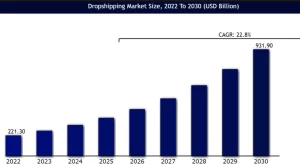
Dropshipping Market Size

Key Reasons Why Dropshipping is Still Alive and Well

Dropshipping from China 3

*E-commerce growth: Online shopping continues to surge globally. In 2023, global e-commerce sales were expected to surpass $6 trillion. As more people buy products online, the demand for low-risk, low-investment business models like dropshipping has only increased.
*Accessibility and low entry barriers: Unlike traditional retail, dropshipping requires minimal upfront investment. You don’t need to invest in large quantities of inventory or worry about warehousing. This makes it an attractive option for many entrepreneurs.
*Improved supplier networks: Countries like China have advanced their logistics and product manufacturing capabilities. Platforms such as AliExpress, Alibaba, and Dropsure are now more efficient, offering faster shipping times, better-quality control, and robust customer service.

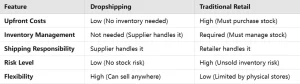
Comparing Dropshipping to Traditional Retail:
Compare

As you can see, dropshipping is far less risky and requires much less capital than traditional retail models, making it ideal for entrepreneurs looking to enter the market with limited investment.

Is Dropshipping Easy Now?

In the past, dropshipping was considered easy—just find a supplier, set up a website, and start selling. However, the landscape has evolved, and now dropshipping is no longer as “easy” as it once was.

Here’s why it’s more challenging:

  • Increased competition: With platforms like Shopify, WooCommerce, and AliExpress making it easier to start a dropshipping business, thousands of entrepreneurs have flooded the market. This means competition is fierce, and standing out can be challenging.
  • Higher customer expectations: In 2024, customers expect fast shipping (ideally within 7-10 days), high-quality products, and excellent customer service. Meeting these demands requires a lot more effort than simply adding products to a website.
  • Sophisticated marketing: Generic marketing strategies no longer work. Today’s successful dropshippers must be savvy in SEO, paid ads, email marketing, and social media campaigns to drive traffic to their stores.

The Reality of Dropshipping in 2024:

For instance, let’s compare the conversion rate of a typical dropshipping store versus a well-optimized one:

  • Basic store conversion rate:5% – 1% (for non-targeted ads, generic products, etc.)
  • Optimized store conversion rate: 2% – 3% (with a well-targeted niche, quality product images, and engaging content)

In the face of higher competition, dropshipping has become less about “quick wins” and more about strategic execution.

How to Succeed in Dropshipping?

Dropshipping from China 2

If you want to succeed in dropshipping today, it’s essential to approach it with the right strategy. Here’s a step-by-step guide based on the best practices for succeeding in the competitive e-commerce space.

1. Find a Profitable Niche

One of the most important factors in dropshipping success is choosing the right niche. Do thorough market research to identify products with high demand but low competition. Tools like Google Trends and Ubersuggest can help you identify trending products.

Example: Products in the health and wellness sector, like eco-friendly yoga mats, have seen a surge in demand, while more saturated niches like smartphones may be harder to penetrate.

Wellness industry

2. Choose the Right Suppliers

Work with reliable suppliers who offer high-quality products and fast shipping times. Websites like Dropsure provide a network of trusted suppliers that cater specifically to dropshipping businesses. Partnering with trusted suppliers ensures fewer customer complaints and better overall business performance.

Why People Love DropSure

3. Build a Strong Brand

To stand out in a competitive market, focus on building a strong brand. This includes a user-friendly website, clear value propositions, and a unique selling point (USP) that differentiates you from others. A well-branded business attracts loyal customers and builds trust.

  • Example: Brands like Gymshark have thrived in niches like fitness apparel by focusing on building a strong community and brand identity.

4. Invest in Marketing

Dropshipping businesses that succeed today are those that know how to market their products effectively. A solid marketing strategy is key to driving traffic and sales to your store. Focus on:

  • Social media marketing (Instagram, Facebook, TikTok)
  • Influencer marketing
  • Search engine optimization (SEO)

5. Optimize Customer Experience

Customer experience plays a huge role in dropshipping success. Ensure fast response times to customer inquiries, offer hassle-free returns, and ensure timely shipping. Providing excellent customer service will help build customer loyalty and positive reviews.
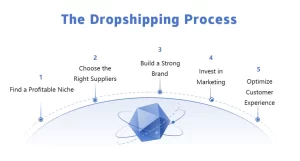
The Dropshipping Process

Conclusion

So, is dropshipping still a viable business model? Absolutely. While it’s no longer a “get-rich-quick” scheme, dropshipping remains a profitable business model for those who are willing to put in the effort. By selecting the right niche, partnering with reliable suppliers like Dropsure, and optimizing your marketing efforts, you can still achieve success in the world of e-commerce.

If you’re serious about dropshipping and want to start with a strong foundation, Dropsure is here to help. We provide reliable suppliers, streamlined processes, and the tools you need to grow your dropshipping business. Whether you’re just starting out or looking to scale, we’ve got you covered!

DropSure bottom


DropSure is Your Best Partner
22 Years Experience
Affiliate Rebates
100% Quality Guarantee
Top-Up Rewards
10+ Global Warehouses
Custom Branding Support
Smart inventory System
24/7 Customer Support
Get a Quote in 24 Hours
Start Sourcing for Free

Keep Learning

DHgate is a popular cross-border e-commerce platform that connects buyers and sellers globally. It offers a wide variety of products, flexible payment options, and broad shipping services, making it a good choice for small and medium-sized businesses to start international trade. However, there are some concerns about product quality and safety that potential sellers should be aware of before using the platform. What is DHgate? DHgate is a leading B2B cross-border e-commerce platform in China. It was founded by Ms. Wang Shutong in 2004. The goal of DHgate is to create an online Silk Road and help small and medium-sized businesses “buy globally, sell globally.” DHgate has several advantages: first, it covers a large market with over 2.3 million registered suppliers and more than 36.4 million buyers from 223 countries and regions. Second, it has strong logistics support with over 100 shipping routes and more than 10 overseas warehouses. Third, it supports 71 currencies for payments. Finally, DHgate has built strong advantages in brand, technology, operations, and users that are hard to copy. Although DHgate offers low-cost purchasing for small businesses and dropshippers, there are some downsides. For example, product quality can be inconsistent, shipping times may be slow, and customer service responses can be delayed. These issues may affect the buyer’s experience. New users should be careful when using the platform, choose suppliers carefully, and check reviews and ratings. It’s also important to choose the right shipping method to avoid delays and keep customers happy. Lastly, make sure to understand the return and refund policies in case any problems arise. Is DHgate Legit and Trustworthy for My business? DHgate is a cross-border e-commerce platform in China that connects global […]

As ecommerce continues to evolve, dropshipping remains one of the most accessible and flexible ways to start and grow an online business. But the landscape is changing faster than ever. At Dropsure, we’ve observed emerging patterns that will define the next wave of successful dropshipping businesses in 2026. Here’s what merchants should pay attention to.   1. Speed and Reliability Will Become Non-Negotiable Consumers now expect faster delivery than ever. In 2026: Same-week or 5-day shipping will become the baseline expectation in most markets. Brands relying on slow suppliers will struggle with conversion rates and negative reviews. Real-time tracking, automated updates, and transparency will be key to winning trust.   What merchants can do: Prioritize suppliers with proven speed and reliability. Explore hybrid fulfillment: dropship new products for testing, scale winners through bulk purchase or local fulfillment centers.     2. Data-Driven Product Selection In 2026, guessing won’t cut it. Successful sellers will use: Real-time sales analytics to identify emerging trends Customer behavior data to forecast demand Profit margin tracking per SKU, factoring in shipping and fees Dropshipping will shift from a trial-and-error model to a strategic, data-driven approach.   3. Automation and AI Will Transform Operations Automation tools will no longer be optional—they’ll define competitiveness. Key areas include: Order management and fulfillment routing Inventory tracking across multiple channels Customer communication automation: shipping updates, FAQs, follow-ups AI will also assist in: Ad optimization Product research and trend prediction Customer segmentation and personalized recommendations Merchants who adopt automation early will save time and scale faster.   4. Sustainability and Ethical Sourcing Matter More Consumers increasingly consider environmental impact and ethics when shopping online. By 2026: Eco-friendly packaging, carbon-conscious shipping, and transparent […]

With an 8.5% year-on-year growth, Japan’s e-commerce sector is projected to break through ¥152 trillion in 2024, continuing its dominance as the fastest-growing mature market in Asia. This nation of 120 million high-net-worth consumers is driving unprecedented momentum, fueled by a 94% mobile payment adoption rate and a 28% cross-border e-commerce growth rate—making it a strategic growth engine for global brands. Are you planning to enter the Japanese market, or seeking to understand the platforms Japanese consumers trust most? Mastering the local e-commerce landscape is the first step to success. From generalist platforms to niche verticals, Japan’s ecosystem offers unique opportunities. This article will analyze the top 6 mainstream e-commerce platforms in Japan, helping you decode market trends and seize growth potential. Amazon Japan  ​Platform Website:https://www.amazon.co.jp  Amazon Japan holds a significant position in Japan’s e-commerce market, with an estimated monthly visit count of approximately 601.7 million, highlighting its popularity and substantial market influence. Founded in 1994 by Jeff Bezos in Bellevue, Washington, Amazon began as an online bookstore. Over time, it transformed into a comprehensive shopping platform where consumers can easily purchase a wide variety of products, including books, clothing, food, electronics, and streaming services.  Seller Fee Structure For every transaction that a seller completes, Amazon charges a fee based on a fixed percentage. The sales commission percentage varies depending on the product category. For example, the commission for fashion items may range from 8% to 15%, while consumer electronics typically range between 8% and 15%. If a seller utilizes Amazon’s FBA (Fulfillment by Amazon) service, additional fees will apply. These include storage fees, which are charged for storing products in Amazon’s warehouses and are calculated based on the time period as well as […]