







< Blogs

How to find the best free dropshipping suppliers in USA

Vivan Z.
Created on November 20, 2024 – Last updated on February 6, 20257 min read
Written by: Vivan Z.

What is Dropshipping?

Dropshipping is a way to sell products online without keeping any stock. When a customer buys something, you send their order and payment to the supplier, who ships the product directly to them. This method is popular because it reduces your workload. You don’t need to rent storage space or worry about unsold items. Instead, you can spend your time and money on things like marketing.
dropshipping 2

How Does Dropshipping Work?

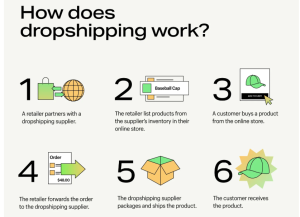
Here’s how dropshipping works in simple steps:

Find a Supplier: Look for a supplier who sells the products you want to offer. After you partner with them, they will handle storing, packing, and shipping. You can pick suppliers in your niche or use apps to access products from different suppliers.

Set Up Your Online Store: Build your online store using platforms like Shopify or WooCommerce. Add products from your supplier and set your prices. Many apps can update your listings automatically and send orders to suppliers for you.

Customer Places an Order: When a customer buys something from your store, the payment is processed, and they receive an order confirmation.

Send the Order to Your Supplier: After the payment goes through, you pass the order details to your supplier. If you use an app, this happens automatically.

Supplier Ships the Product: The supplier prepares the order and ships it to your customer. Some suppliers even offer branded invoices or special packaging.

Customer Gets the Product: The customer receives their order. You handle any questions or issues they might have.
how does dropshipping work
The image is sourced from Shopify.

Why Choose Free Dropshipping Suppliers in the USA?

Choosing free dropshipping suppliers in the USA can save you money and make starting your business easier.

Save Money: Free suppliers don’t charge membership fees. You also don’t need to spend money on inventory or storage, which gives you more to invest in marketing or your website.

Low Risk: You don’t have to buy products in bulk. This means you won’t lose money if something doesn’t sell. You can also try out new products easily without spending too much.

Easy to Start: Since you don’t need to manage inventory, it’s faster and cheaper to start your store. Suppliers take care of storage and shipping, so you can focus on growing your business.

Less Work: Suppliers handle most of the hard parts like packing and shipping. This saves you time and reduces mistakes.

How to Find the Best Free Dropshipping Suppliers in the USA

Finding a reliable supplier is one of the most important steps in building a successful dropshipping business. Your supplier directly impacts product quality, shipping times, and overall customer satisfaction. Start by deciding what type of products you want to sell. This decision should be based on market trends, customer demand, and your personal interests. For example, if you’re interested in fashion, look for suppliers offering clothing and accessories. Once you’ve identified your product niche, ensure the supplier has a variety of high-quality items that appeal to your target customers. Offering unique or trending products can give your store a competitive edge.

To find the best free dropshipping suppliers in the USA, leverage platforms like **Spocket** or **Modalyst**, which provide access to curated lists of suppliers. These platforms are user-friendly and allow you to filter suppliers based on location, product type, and other criteria. You can also conduct a simple Google search using terms like “free dropshipping suppliers in the USA” to discover more options. Additionally, join online communities such as Facebook groups or Reddit forums dedicated to dropshipping. Engaging with these communities can help you gather recommendations, learn from experienced sellers, and avoid common pitfalls.

Before committing to a supplier, it’s crucial to test their service. Place a small order to evaluate key factors such as product quality, packaging, and delivery times. This step ensures that the supplier meets your standards and can deliver a good experience for your customers. It’s also a good idea to compare several suppliers to determine which one offers the best combination of price, shipping speed, and reliability. Some suppliers may have better pricing but slower shipping, while others might excel in customer service.

When evaluating suppliers, prioritize those who integrate with popular e-commerce platforms like Shopify. Integration makes it easier to manage your store by automating processes such as order forwarding, inventory updates, and tracking information. A seamless connection between your store and supplier reduces manual work and minimizes errors, allowing you to focus on growing your business.

By thoroughly researching and testing suppliers, you can ensure that your dropshipping business runs smoothly, providing a positive shopping experience for your customers and setting the foundation for long-term success.

Top Dropshipping Suppliers

Here are some popular dropshipping suppliers:

Spocket: Offers products from USA and European suppliers.
AliExpress Dropshipping: A global platform with many product categories.
Modalyst: Features trending products and works with AliExpress.
SaleHoo: A directory of suppliers in various niches.
Doba: Lets you browse products from different suppliers.
Wholesale2B: Offers a large variety of products and integrates with major e-commerce platforms.
Worldwide Brands: A trusted list of reliable suppliers.
Sunrise Wholesale: Offers a wide range of products from home décor to jewelry.
MegaGoods: Sells items like kitchenware and electronics.
DropSure: Provides easy-to-use tools for dropshipping, including order tracking and fast shipping.

DropSure bottom

Why Wait? Start with DropSure Today!

DropSure makes dropshipping easy and affordable. It saves you time, offers quality products, and helps you grow your business without extra hassle. Whether you’re new to e-commerce or want to expand, DropSure is a great partner. Sign up today and start building your online store with confidence!

Buttom

DropSure is Your Best Partner
22 Years Experience
Affiliate Rebates
100% Quality Guarantee
Top-Up Rewards
10+ Global Warehouses
Custom Branding Support
Smart inventory System
24/7 Customer Support
Get a Quote in 24 Hours
Start Sourcing for Free

Keep Learning

If you’re running a dropshipping business (or thinking of launching one) in 2025, the old rules still apply: find high-demand products, source reliable suppliers, and market smartly. But what does sell well right now? Which product categories are showing strong profits, consistent demand and opportunity for growth in the current e-commerce climate? In this article, we’ll explore the top product categories for dropshipping in 2025—with data, reasoning and practical tips—so you can decide where to place your bets with less risk. We’ll also cover what to look out for (pitfalls) and how to evaluate whether a niche is truly worth entering. 1. The Big Picture: Dropshipping Market Trends in 2025 Before diving into specific categories, let’s set the context with some market insights. The global dropshipping market is projected to reach around US$464.4 billion by 2025. Top overarching niches in e-commerce include Fashion (≈ US$802 billion), Beauty & Personal Care (≈ US$672 billion) and Home & Garden (≈ US$130 billion). Analysts note that products which are lightweight, solve a problem, are visually appealing (for social media), and can be shipped globally with low cost tend to perform best in dropshipping. Many “winning” product lists for 2025 emphasize eco-friendly items, pet supplies, home décor, gadgets, baby products—which gives signals about what consumers want now. Because of all that, when selecting product categories for 2025, you’ll want: Strong demand / growing demand Manageable competition or room for differentiation Shipping/logistics suitability (especially for dropshipping) Emotional or utilitarian appeal (so people buy, not just browse) Potential for decent margin (low cost, good perceived value) With that framework, let’s examine the most promising categories one by one. 2. Category #1: Pet Supplies & Accessories One […]

In recent years, e-commerce has steadily risen to a prominent position in the global economy. Especially during the COVID-19 pandemic, online shopping became the preferred choice for most people, turning e-commerce from an optional channel into an almost unavoidable part of doing business. However, once you dive in, you quickly realize the challenges: heavy inventory pressure, complex logistics management, and soaring costs often leave you overwhelmed. That’s when dropshipping becomes an extremely attractive option. With dropshipping, you don’t need to build your own warehouse or handle packing and shipping yourself. You can focus your energy on marketing and sales, while inventory management and logistics are all handled by your suppliers. This model not only saves you upfront investment but also gives you the flexibility to test products and market responses more easily. Depending on your resources and goals, dropshipping actually comes in several types — traditional dropshipping, collaborative dropshipping, and even reverse dropshipping. Each model fits different scenarios and operational styles, with their own pros and cons. There’s no absolute “best,” only what works best for you. Next, we’ll break down these main dropshipping models one by one, revealing the logic, advantages, and potential pitfalls behind each. This will help you choose, plan, and implement your e-commerce strategy more wisely. Traditional Dropshipping If you’re new to e-commerce, the traditional single-item dropshipping model (which is the most common form of dropshipping) is undoubtedly the easiest way to get started. This model has been around for many years and countless e-commerce sellers have built their businesses on it. Its operation is very straightforward:You find suppliers willing to offer dropshipping services and list their products in your store. When a customer places an […]

With the rise of online shopping, Temu and Shein have become top choices for budget-conscious shoppers. These two platforms attract a large number of consumers with their low prices, offering a wide range of products from fashion to electronics. However, while their price advantage is undeniable, Temu and Shein differ in their business models, product quality, logistics, and customer experience. As 2025 approaches, are you still unsure which platform to choose? In this article, we will deeply compare the key differences between these two platforms, helping you find the best shopping option, whether it’s product variety, pricing, or customer service. What is Shein? Shein was founded in 2011 by Xu Yangtian in China as SheInside, initially specializing in wedding dresses. In 2015, the company rebranded as Shein and moved its headquarters to Guangzhou in China, with a U.S. office. Since then, Shein has expanded to over 150 countries, employing nearly 10,000 people. The company’s success lies in its fast response and low-price strategy. Shein uses a made-to-order model, releasing only popular styles to avoid excess inventory. It also attracts customers with discounts and coupons, driving continuous sales growth. Shein’s key to reaching young, fashion-conscious audiences is influencer marketing. The brand works with both celebrities like Katy Perry and Rita Ora, and smaller influencers, using their reach to expand Shein’s appeal. Many influencers share unboxing videos on TikTok and YouTube, showcasing Shein’s affordable and trendy clothing. In short, Shein’s combination of low prices, quick production, and influencer collaborations has driven its rapid success in the global market. What is Temu? Temu launched on September , 2022, as Pinduoduo’s cross-border platform, aiming to offer unprecedented low prices through collective purchasing. Its name, […]