








< Blogs

Shopify or WordPress: Which One is Better for Dropshipping?

Vivan Z.
Created on November 21, 2024 – Last updated on February 6, 20255 min read
Written by: Vivan Z.

Shopify vs WordPress

If you’re starting a dropshipping business, Shopify and WordPress are two popular platforms to choose from. Both have their strengths and weaknesses, but the right one depends on your skills, business needs, and future plans. Let me break it down in simple terms to help you decide.


Shopify: Easy and Perfect for Beginners

Shopify

Shopify is made for e-commerce, and it’s super simple to use. Don’t know coding? No problem! Shopify has tons of ready-to-use templates. It’s like building with Lego blocks—you just drag, drop, and create your store. It comes with built-in tools for payments, shipping, and managing orders. This saves you time and lets you focus on selling.
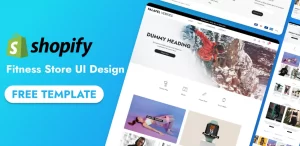
shopify template

Shopify also has a massive app store. You’ll find tools like Oberlo and Importify to quickly add products, Klaviyo and MailChimp for email marketing, and Privy or Upsell to boost sales. These apps make dropshipping smooth and stress-free.
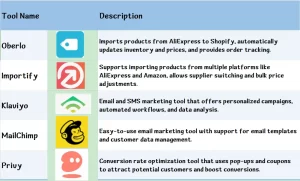
tools

But Shopify isn’t cheap. The basic plan starts at $29/month, and as your store grows, you might pay more, especially if you use third-party payment gateways. Also, if you want very specific designs or functions, Shopify can feel limiting.


WordPress: Flexible and Powerful, but Needs Tech Skills

Wordpress

WordPress, on the other hand, is a powerful option if you want more control. By adding the WooCommerce plugin, you can turn WordPress into a full e-commerce platform. The biggest advantage? Flexibility. You can design your store however you like and customize features such as payment methods or shipping options.
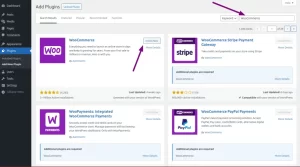
Woocommerce
Searching and showing the WooCommerce plugin via the Add Plugin WordPress screen.

WordPress is open-source, meaning there are endless plugins and resources available. It’s also cheaper—just pay for hosting and a domain, which costs less than Shopify’s monthly fees.

But here’s the catch: WordPress is not beginner-friendly. If you’re not tech-savvy, setting up plugins, payment systems, and optimizing your site can be overwhelming. And when things go wrong, there’s no centralized support. You’ll need to figure it out yourself or rely on online forums.


Who Should Choose Shopify?

Shopify is perfect if you’re new to e-commerce or want to start fast. It’s simple, has everything you need in one place, and their support team is always there to help. You can focus on selling without worrying about technical stuff.


Who Should Choose WordPress?

Go with WordPress if you know a bit about websites or don’t mind learning. It’s highly customizable and great for unique designs or features. Plus, it’s cheaper long-term. If you’re planning to scale and want full control, WordPress is a smart choice.


Which Platform Has Lower Long-Term Costs: Shopify or WordPress?
dropshipping

When comparing Shopify and WordPress, WordPress generally has lower long-term costs, especially if you manage your site efficiently. Here’s why:


WordPress: Lower Long-Term Costs

No Ongoing Subscription Fees
WordPress itself is free. You’ll only pay for hosting (starting around $5–$15/month), a domain (around $10–$20/year), and any plugins or themes you choose to add. Many plugins are free or have affordable one-time fees.

Customizable for Budget
WordPress allows you to scale costs based on your needs. If you’re on a budget, you can use free plugins and themes. As your business grows, you can invest in premium tools without paying a fixed monthly fee.

No Transaction Fees
WordPress doesn’t charge transaction fees unless you use certain payment gateways that have their own fees. You’ll save more as your revenue grows.


Shopify: Higher Costs Over Time

Monthly Subscription Fees
Shopify starts at $29/month and can go up to $299/month for advanced plans. These fees are unavoidable as long as you use the platform.

Transaction Fees
If you use a third-party payment gateway (like PayPal or Stripe), Shopify takes an additional transaction fee (0.5%–2%), which can add up as your sales increase.

App Costs
Many Shopify apps require monthly fees, and these can stack up quickly if you need multiple tools for your store.


Final Advice

If you’re a beginner, Shopify is the way to go—easy, quick, and hassle-free. If you’re more experienced or willing to learn, WordPress gives you more flexibility and control. Either way, pick the one that fits your needs, and take the first step toward building your dropshipping business. Success is waiting for you!

Buttom

DropSure is Your Best Partner
22 Years Experience
Affiliate Rebates
100% Quality Guarantee
Top-Up Rewards
10+ Global Warehouses
Custom Branding Support
Smart inventory System
24/7 Customer Support
Get a Quote in 24 Hours
Start Sourcing for Free

Keep Learning

In June 2025, DropSure was invited to participate in the China-Europe (France) Cross-Border E-Commerce Forum held in Paris, France. This event is a key exchange platform for the cross-border e-commerce ecosystem between China and France, gathering numerous e-commerce platforms, brands, logistics providers, and marketing agencies to jointly explore global e-commerce trends and China-Europe cooperation opportunities. As a leading global fulfillment platform, DropSure attended the forum as an exhibitor, actively showcasing our solutions in automated product selection, brand customization, and intelligent fulfillment. This was also a great opportunity to establish direct connections with more local French sellers and partners. At the Exhibition At the event, DropSure’s booth attracted a lot of attention. We demonstrated how the DropSure platform helps sellers operate efficiently without holding inventory—from one-click product selection to fast shipping, from branded packaging to customer experience. Every step is simplified yet professional, addressing the top concerns of cross-border sellers such as timeliness, cost, and service stability. Many French independent site sellers and market operation teams engaged in deep conversations with us, showing strong interest in DropSure’s efficient, transparent, and automated global fulfillment capabilities. Face-to-Face Communication Beyond the booth display, the DropSure team also participated in offline networking sessions extending from the forum, discussing topics including the development of the European market, consumer preferences, and localized supply chain services. Through these face-to-face interactions, we gained a deeper understanding of the real needs of French local e-commerce sellers and introduced them to DropSure’s customized logistics routes and localized service capabilities tailored for the European market. European Market Layout This trip to France was not only an opportunity to showcase our platform’s strengths but also a significant step in DropSure’s formal launch of […]

If you’ve ever browsed AliExpress, you know the drill: shockingly low prices on everything from gadgets to clothing. It almost feels too good to be true, right? But how does AliExpress pull this off? Let’s break down the top five reasons why this platform offers prices that seem unbeatable and why millions of shoppers keep coming back for more. What is Aliexpress AliExpress is a global online retail platform owned by Alibaba Group, one of the largest e-commerce companies in the world. It was launched in 2010 and operates as a marketplace where individuals and businesses can buy a wide variety of products directly from manufacturers and sellers, primarily based in China. AliExpress is particularly attractive to budget-conscious buyers and entrepreneurs who want access to affordable products for personal use or resale, especially for dropshipping businesses. 5 Reasons Behind the Low Prices Reason 1: Direct-to-Consumer Model AliExpress cuts out the middleman. Sellers on the platform are often manufacturers who sell directly to you. That means no distributors, no retailers, and no extra markups. Think of it this way: traditional retail involves multiple stops in the supply chain. The product goes from the manufacturer to a wholesaler, then to a distributor, and finally to a retailer before it lands in your hands. Each step adds costs. AliExpress skips all that, bringing products straight from the factory to your door. This direct approach keeps prices low and savings high. For example, that sleek phone case you bought for $3? In a regular store, it might cost $15. Why? Because the store has to account for overheads like rent, utilities, and employee salaries—all costs you don’t pay on AliExpress. Reason 2: Low Manufacturing […]

If you’re exploring the world of dropshipping, you already know that having the right app is essential for streamlined operations, efficient order management, and, of course, happy customers. With so many apps on the market, each offering unique features and benefits, how do you choose the best one? This guide will help you navigate through some of the top dropshipping apps and highlight what each has to offer in terms of core features, logistics,cost, brand customization, and user experience.  Best Dropshipping Apps Recommended Printify – Powerful POD Customization and Global Supply Chain Core Features: Printify specializes in Print-on-Demand (POD) with a vast global network of suppliers, ideal for brands that need high customization. Logistics: Suppliers are distributed worldwide, with automatic selection of the nearest production location to improve delivery efficiency. Cost: Offers free and paid plans, with paid users enjoying discounts on product prices. Brand Customization: Allows custom product designs, labels, and packaging, helping sellers create a unique brand image. User Experience: User-friendly interface, though product quality can vary due to different suppliers. CJdropshipping – Extensive Product Variety and Flexible Logistics Core Features: CJdropshipping offers a wide selection of products, including electronics, apparel, and home goods, suitable for sellers focusing on diverse products. Logistics: Provides quick delivery options through CJPacket and other logistics choices, particularly efficient for U.S.-bound orders. Cost: Free to use, with competitive product pricing. Brand Customization: Supports custom packaging, though POD options are limited. User Experience: Affordable pricing, but logistics and customer service response times vary. Printful – High-Quality POD with Fast Shipping in U.S. and Europe Core Features: Known for high-quality POD products and extensive customization options, Printful is ideal for sellers prioritizing quality. Logistics: Local […]