Starting a dropshipping business is exciting. It’s flexible, low-cost, and full of potential. But success depends on more than just setting up your store—it hinges on choosing the right products to sell. While some niches may look like easy wins, they often come with hidden challenges that can turn into headaches for beginners. To save you time, money, and frustration, here’s a detailed guide on dropshipping niches to avoid in 2025. Avoid these pitfalls, and you’ll set yourself up for a smoother, more profitable journey.
Watches: Not as Simple as They Seem
The watch market is already highly saturated, with many well-known brands and sellers dominating the industry. As a new seller, it is difficult to stand out against established names like Casio, Fossil, or Apple Watch. Consumers are more likely to trust reputable brands over unfamiliar ones, making it challenging to gain their confidence.

Watches, being precision instruments, typically contain intricate mechanical structures or electronic components that are highly sensitive to external shocks and vibrations. During transportation, even minor bumps or improper handling can cause internal parts to shift, surface scratches, or even a complete loss of functionality. This fragility makes watch logistics a high-risk aspect of the business.
Furthermore, recurring issues with damaged products can severely impact a store’s reputation, leading to negative reviews and a decline in sales. Such problems can also make it harder to rebuild customer trust in the future.
Clothing: The Return Problem
Everyone wears clothes, so the clothing niche seems like a safe bet. But it’s one of the most challenging markets for beginners. The primary issue is sizing. People often order the wrong size or don’t like how the garment fits, leading to high return rates. Processing returns takes time and can hurt your bottom line.
Size is a common issue, especially for clothing stores. When customers can’t try on items, they often receive products that don’t meet their expectations.

This happens frequently—someone orders a pair of pants or a T-shirt online, only to find the size is either too big or too small when it arrives.
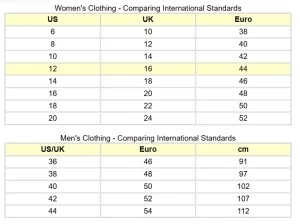
For clothing, the return rate due to size issues can reach as high as 26%. To avoid this, provide a clear size guide in your store that matches the sizing standards of your shipping destination.
Additionally, if your products are sourced from China, ensure you properly convert the sizes to fit U.S. or European customers. This simple step can significantly reduce returns.
Comparing cloth sizing for men and women:
Electronics: Risky and Expensive
One of the biggest challenges in dropshipping electronics is the high return rate. Electronics are highly complex, and many things can go wrong, increasing the likelihood of customers returning products. Additionally, customers may return items if they are dissatisfied or the product does not meet their expectations.
Another challenge faced by dropshippers selling electronics is warranty and repair issues. If customers receive faulty electronic products, retailers must handle the warranty process or assist with repairs. This can be complicated, time-consuming, and expensive, significantly impacting business profit margins.

Shipping and handling also pose major challenges for dropshipping electronics. Electronics are often fragile and require careful handling during transport, which can lead to additional costs for retailers. Furthermore, international shipping can be complex and costly, increasing the risk of products being lost or damaged in transit.
Furniture: Heavy, Expensive, and Hard to Ship
First, the shipping cost for furniture is high. Due to its large size and heavy weight, furniture shipping fees are much higher than those for regular items. According to UPS and FedEx pricing, oversized item surcharges can reach $50 or more, directly cutting into profit margins.
Second, furniture requires additional packaging and protection costs. Being fragile, furniture needs reinforced packaging like foam and wooden crates, which increases expenses and labor.

Additionally, cross-border shipping is complicated. Customs declarations, import duties (such as the 8%-10% tariff on wooden furniture in the U.S.), and extended shipping times via sea freight add to logistical challenges.
Lastly, handling furniture returns is particularly troublesome. Damages during transit or unmet expectations often lead to high return rates. The cost of returning furniture often exceeds the profit, further amplifying losses.
Fragile Items: Too Many Breakages
Glassware, ceramics, or other fragile items are prone to breakage during shipping. Even with the best packaging, accidents happen, and when they do, customers expect refunds or replacements. The time and money spent managing these issues can quickly outweigh any profit.

Pro Tip:
Stick to products that are durable and easy to ship. Avoid the hassle of dealing with broken items and unhappy customers.
Copyrighted Products: A Legal Headache
Selling knockoff brands like fake Nike shoes or unlicensed merchandise may seem profitable, but it’s illegal. Copyright violations can lead to your store being shut down, hefty fines, or even legal action from the original brands.
For example, if you sell a tech gadget that copies a design patented in the U.S., you could be sued, even if the supplier is from a country where the patent doesn’t apply. U.S. patent laws are strict, and breaking them can lead to heavy fines and being forced to stop selling the product.

To avoid this:
Check if the product is patented before selling it.
Stay away from deals that seem “too good to be true,” as they are often copies of patented items.
Here are some legal cases:
Tiffany & Co. v. eBay
Tiffany sued eBay for allowing third-party sellers to list fake Tiffany jewelry. This case highlighted the importance of monitoring product authenticity. It set a precedent for e-commerce platforms and sellers to take responsibility in preventing counterfeit goods.
Luxottica Group v. Airport Mini Mall, LLC
Ray-Ban’s parent company, Luxottica, sued a shopping center for letting vendors sell fake Ray-Ban sunglasses. The case showed that even physical marketplaces are not exempt from trademark enforcement, proving the wide reach of intellectual property laws.
Apple v. Samsung
Apple accused Samsung of copying its patented designs and technology in smartphones. This patent case showed how seriously the tech industry takes patent violations. It also demonstrated how breaking these laws can result in fines worth millions of dollars.
Weapons: Just Don’t
Weapons, including replicas, face strict regulations. Most e-commerce platforms ban their sale, and international shipping is nearly impossible due to legal and safety concerns. Even if you manage to sell them, the liability risks are enormous.
What Should You Sell Instead?
As a beginner, focus on simple, low-risk products. Look for items that are lightweight, durable, and solve a specific problem. Unique home décor, hobby items, or eco-friendly gadgets are great places to start.
Pro Tip:
Pick products that are easy to ship, have year-round demand, and don’t require advanced customer support.
Starting your dropshipping journey doesn’t have to be overwhelming. By avoiding these tricky niches and focusing on manageable products, you’ll set yourself up for success. Remember, the key is to keep things simple and stay patient as you learn and grow. You’ve got this!












 8 min read