





 8 min read
Why Choose Spain for Dropshipping?
Is the Spanish market really worth entering? Let’s take a look at some key data:
▪ 47 million population, making it the fifth-largest economy in Europe with a sizable market
▪ 94.9% internet penetration rate, with users spending over 5 hours online daily, indicating strong online shopping demand
▪ 75% of consumers prefer shopping via mobile devices, making mobile optimization essential for higher conversion rates
▪ 58% of Spanish consumers spend between €50 and €250 per month on online shopping, demonstrating solid purchasing power
Even more interesting, 12% of Spanish consumers shop online at least twice a week, a frequency second only to the UK and Denmark in Europe. In other words, Spaniards rely on online shopping more than you might expect.
Additionally, compared to highly competitive e-commerce markets like Germany and France, Spain has lower advertising costs and a more accessible entry threshold. For newcomers, this means a lower trial-and-error cost, allowing you to explore market opportunities without being overwhelmed by high marketing expenses.
Of course, every market comes with its challenges, and Spain is no exception. Want to know what obstacles to watch out for? Keep reading!
Advantages and Challenges of Dropshipping in Spain
If you’re thinking about entering the Spanish market, don’t rush to place your first order just yet. It’s important to understand whether this market is really worth your investment. Here’s some good news you need to know—and of course, a few pitfalls you’ll want to avoid.

Why Spain is a Great Fit for Dropshipping?
▪ Advertising Costs Are Lower: Compared to big markets like Germany and France, advertising costs in Spain are much lower. You won’t have to burn through your budget to test the market, making it a great option for entrepreneurs with limited funds.
▪ Shipping Delays Aren’t a Huge Issue: One of the biggest concerns with dropshipping is slow shipping times leading to customer complaints or bad reviews. The good news is that Spanish consumers are more tolerant of longer shipping times compared to other Western markets. You don’t have to worry about them leaving negative feedback just because the delivery takes an extra couple of days.
▪ More and More People Are Shopping Online: Spain has seen a steady rise in online shopping, with more and more consumers spending their money on the web. This means there’s a growing opportunity for anyone looking to do dropshipping.
However, there are still a few challenges…
▪ Language Barriers Are Real: If your store is in English, you could easily turn away most potential customers. After all, only 27.7% of Spaniards speak English. Offering a Spanish-language website and customer service is key to improving your conversion rates.
▪ Lower Consumer Spending: Compared to countries like Germany and France, Spain has a lower per capita income, and consumers tend to focus more on value for money. This means your pricing strategy needs to be competitive, but also sustainable, ensuring you don’t price yourself out or lose money.
Overall, there are many opportunities in the Spanish market, but you’ll need to do your homework and choose the right strategy to really profit. Want to know how to get started? Keep reading!
How to Succeed in Dropshipping in Spain
Succeeding in dropshipping in Spain requires careful planning and smart strategies. Start by researching the local market. Learn about Spanish shopping habits, popular product categories, and emerging e-commerce trends. Tools like Google Trends can help you identify high-demand, low-competition products in Spain.
Once you identify your niche, partner with reliable suppliers. Look for suppliers who offer high-quality products and consistent delivery services. Check customer reviews and supplier ratings to ensure a strong partnership.
Next, build an online store tailored to Spanish consumers. Platforms like Shopify and WooCommerce are user-friendly and allow you to create professional websites. Make sure your website is mobile-friendly since over 70% of Spanish shoppers use smartphones to make purchases.
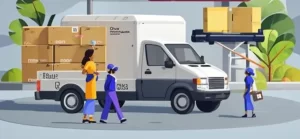
Finally, focus on logistics and customer service. According to Data Reportal, 67.4% of Spanish consumers say free shipping is a key factor in their buying decisions. Offering free shipping can help you attract customers and strengthen your brand’s position in the market.
Best-Selling Products in Spain
Choosing the right products is crucial for dropshipping success in Spain. Certain product categories align well with local culture and consumer preferences, making them particularly popular.
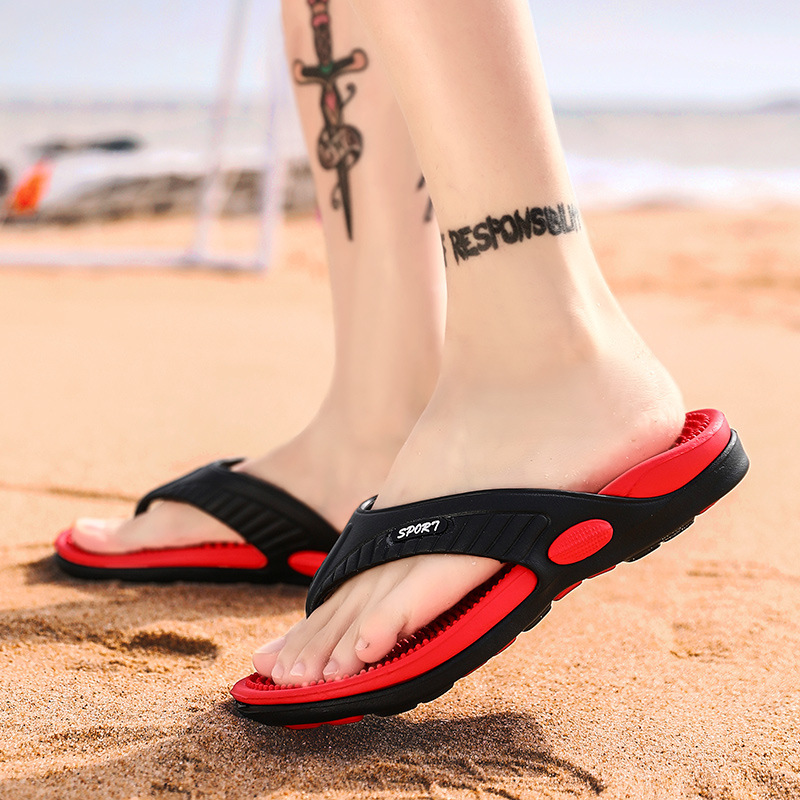
Fashion items are highly in demand. Spaniards love clothing, footwear, and accessories, especially minimalistic designs and eco-friendly materials. Summer wear and beach outfits also sell well, reflecting the country’s Mediterranean lifestyle.

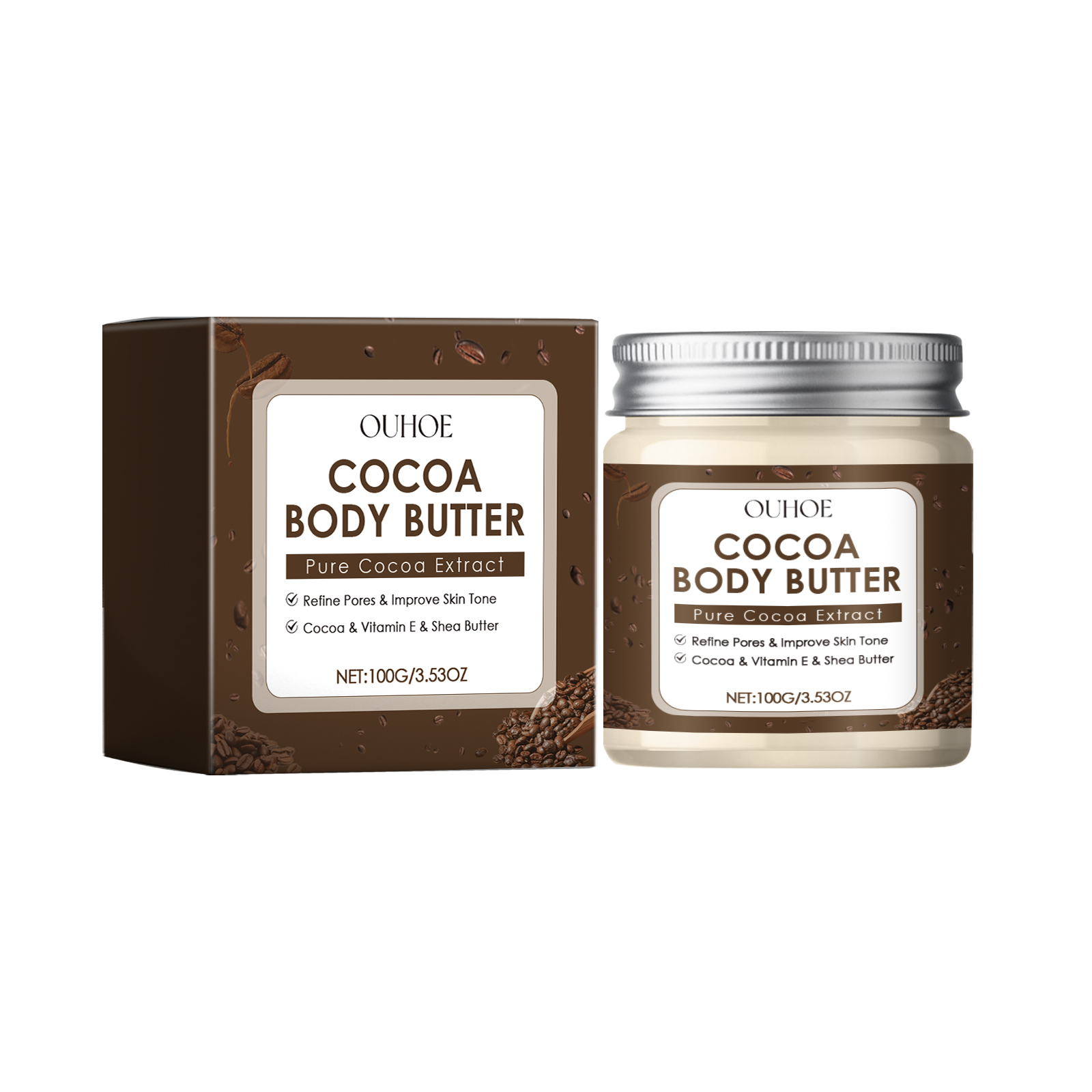
Health and beauty products are another promising category. With rising health awareness, items like skincare products, organic cosmetics, and fitness accessories are becoming increasingly popular. Younger consumers especially favor products with natural ingredients.
Home decor and furniture are also top-selling categories. Spaniards take pride in home decoration, favoring simple, Scandinavian-style items and practical home storage solutions. Due to the rise of remote work, office furniture, storage boxes, and organizing tools are now trending.
Electronics and accessories remain popular for online shopping. Spaniards frequently buy smartphone accessories like cases and power banks, along with Bluetooth headphones and portable electronics. Smart home devices, such as smart bulbs and wireless speakers, are also gaining traction.
Lastly, eco-friendly products are growing in popularity. Reusable water bottles, bamboo utensils, and eco-friendly shopping bags appeal to consumers’ interest in sustainability and provide a competitive edge with practical pricing.
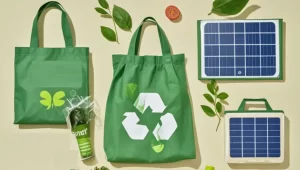
Understanding these hot-selling categories and aligning your offerings with local preferences can boost your success. Always ensure your products are high-quality and your supply chain is reliable to maintain a positive customer experience.
Recommended Dropshipping Suppliers in Spain
When selecting suppliers, focus on quality products and reliable services. Spocket is a highly-rated global platform offering various product options and fast shipping.
AliExpress is ideal for its wide product range and competitive pricing, making it a favorite among experienced dropshippers.

SaleHoo helps you find trustworthy suppliers with its supplier directory. For faster shipping to Spain, consider AppScenic, while Printful is an excellent choice for print-on-demand and personalized items.
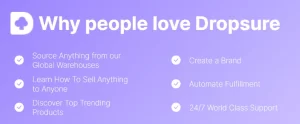
Lastly, DropSure offers a full dropshipping solution with competitive logistics costs and support for various product categories, making it a great choice for beginners.
Spain Is Well-Suited for Dropshipping, but You Have to Do It Right
Dropshipping in Spain offers considerable potential: a large online consumer base, lower advertising costs, and a more relaxed attitude toward shipping times all make Spain a market worth exploring. However, language barriers, consumers’ focus on value for money, and supplier selection can all affect whether your business can remain stable and profitable in the long run.
If you want to successfully operate a dropshipping business in Spain, the key factors include conducting thorough market research, finding reliable suppliers, creating a localized store, and optimizing logistics and customer service. These elements are crucial in determining whether you can truly gain a foothold in the market and build a stable, profitable business model.
With all of these preparations in place, Spain might just be your next successful e-commerce market. Now is the time to take action!