









 15 min read
Hey there! It is 2025, and let’s be frank—global trading is handing us a few surprise trade at-bats. Tariff changes are shaking things up in the world of dropshipping and if you’re a part of the scene, you have likely felt the heat. Biden’s tariff policies are in the news again, creating headaches for anyone who uses global supply chains. Sounds daunting, right?
But don’t worry—where there’s a challenge, there’s always an opportunity to adapt and thrive.
This guide breaks down what these tariff shifts mean for your dropshipping business. And to help you get ahead of the competition, we’ll share some ridiculously-useful tips. Let’s dive in!
Understanding Dropshipping in 2025
Well, let’s get into the magic of dropshipping. It’s among the simplest ways to begin an online business without the hassles of handling inventory or leasing warehouse space. Here’s the deal:
You sell physical products on your eCommerce store — whether that’s dope gadgets, stylish fashion, or handy home goods. Customers order, you tell your supplier to ship the product directly. No stock to worry about, no packing boxes at midnight, no upfront investment in a mountain of inventory. You’re effectively just a middleman liasing between customers and suppliers, and you get to profit keep the profit margin.
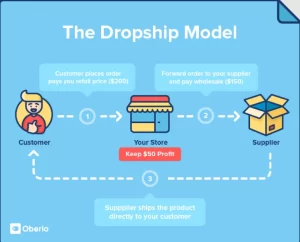 Source:Oberlo
Why It’s a Dream Setup
For some good reasons, dropshipping is a hit. It’s low-cost because you don’t have to buy inventory in advance, you just buy what’s already sold. It’s low-risk because there’s no worry about unsold products accumulating, or going out of style. And it’s super flexible, allowing you to operate your business wherever you are with an internet connection.
But it’s the one business that really makes sense. Yes, but not without its obstacles.
The Reality-Check: Major Brands Are Tethered to Supply Chains
Here’s the catch: dropshipping depends on stable supply chains. Your business cannot run if products are not provided in a time, or if suppliers fail to deliver a constancy in the quality of products provided. When tariffs hit, it’s like you threw a wrench in the gears of your operation. Tariffs can raise costs and slow deliveries and render some products too unprofitable to sell.
Smart Cost Management is Key
Cost control is the pillar of any dropshipping business, and tariffs can cause the whole building to shake. Increased import taxes lead to increased product costs, which can eat into your profit margins if you’re not ready. All of a sudden, that $5 phone case you’ve been selling for a decent profit might feel not worth it anymore.
What Are Tariffs, and Why Are They Important?
But let’s make it plain and simple. Tariffs are taxes on imported goods. Governments employ them for many reasons — shielding domestic industries, raising revenue, even as a bargaining tool in trade wars. Sounds simple, right? But for businesses such as yours, tariffs are far from straightforward.
Here’s how it works: when goods cross a border, importers (often your suppliers) pay a tariff. In theory, they are the ones doing the paying. But in reality? Those costs are nearly always passed down the line. I am a dropshipping supplier that raises the price, and I am such a dropshipper that pays the bill. And if you pass that cost on to your customers? Yep, they’re going to notice. Higher prices mean fewer sales and some cranky shoppers.
 Source:morningsta
Now, let’s talk options. Deep-pocketed big companies may choose to shoulder these additional costs themselves. They will eat their profit margins to maintain prices and keep customers happy. But for the vast majority of us, especially in the world of dropshipping, there’s just no way to make that happen. Your margins are thin already, and every cent matters.
However, if you’re not prepared, these tariffs can transform your top-selling product into one of the worst financial decisions you’ve ever made. Let’s say you are selling a gadget for $30, and your supplier sells it to you for $10. If a 25 percent tariff is added, that’s an additional $2.50 tacked on to your cost. Suddenly, you profit drops from $20 to $17.50 — or worse yet, you raise prices to $32. 50 and customers begin to take their business elsewhere.
But hey, don’t let it get you panicky. Tariffs may rattle but don’t have to sink your business. The trick is knowing which ones will affect you and having a plan to take them on. Whether it be re-evaluating your pricing strategy, or looking at alternative suppliers in tariff-free zones, there’s no shortage of ways to adapt and get ahead of the curve.
So, don’t panic — relish the challenge. The first step to turn this barrier into opportunity is understanding tariffs and their impact. So, let us dive into the best ways to manage this like a pro!
How Tariffs Affect Dropshipping
Now, let’s get into the nitty-gritty. Tariffs aren’t merely an inconvenience — they’re a huge game-changer for the dropshipping universe. Trump’s tariffs, in particular, have required businesses to scramble to adjust to increased costs, altered supply chains and different consumer habits. If you are operating a dropshipping business, knowing these effects can help you get ahead. Let’s take it step by step.
 Source:Scrap Metal Services
Rising Costs
Imagine this: You are selling trendy phone cases from China. Your supplier sells you cases for $5, and all is well. But these days, there’s a 60 percent tariff on imports. That raises the price on each product by $3, so you’ll pay $8 All at once, your profit margin begins to dwindle, and now you’re in a bind — do you raise your prices or swallow the loss?
Now uncount those orders, and multiply that snowball by hundreds, thousands, and that’s how quickly rising costs can start to go haywire.” That makes products that once had a margin now appear as if they’ll lose money, and your competitive edge on price is severely dented.
Shrinking Profit Margins
Low-margin goods are especially susceptible. Say you’re selling a $10 gadget with a $7 cost, so you’re making $3. Add a tariff, and you might get just $1 of profit—or none at all.
If you attempt to increase prices to offset the new charges, you can alienate price-sensitive customers. It’s a juggling game that can be tricky, especially for lower-budget items that depend on volume rather than profits.
Price-Sensitive Shoppers
Shoppers notice price hikes. Even slight increases can send them seeking alternatives, especially in e-commerce, where browsing for bargains is only a click away. Customers have a lot of choices, and if your products suddenly seem expensive, they aren’t going to hang around.
This can be very hard for low-cost dropshipping companies to do. Customers are less forgiving of price increases if these are for everyday, non-essential products which can hit you hard on your sales.
Supply Chain Shakeups
Tariffs don’t only increase costs—they can disrupt your whole supply chain. Suppliers in tariff-heavy regions, such China, may counter by moving warehouses to countries, like Vietnam, India, or parts of the EU, that charge lower tariffs.
It is a good long-term solution but does not occur overnight. You might experience delays, increased shipping costs or even temporary product unavailability during this transition. You’ll have to be proactive to remain competitive — scouting out new suppliers and diversifying your sourcing options.
Shifting Business Models
Adapting to tariffs may require overhauling your whole strategy. Tariffs have less of an impact on high-ticket items that come with higher margins than on budget low-margin items, which is another reason they are a better bet than lower-end items. Upgrading to premium or niche range products can safeguard margins, as quality-focused shoppers are more tolerant of price increases. On the other hand, diversification into markets such as Europe, Southeast Asia or Australia can lessen dependence upon the U.S. and make up for losses from tariff-saturated areas. These are what will keep your business relevant and agile in a transforming environment.
Challenges for Small Sellers
If you are a small or new seller, tariffs may seem an impossible hurdle. It takes time, money and resources to adjust your supply chain, develop new markets, and adapt to changing costs. That can be daunting for smaller operations.
You may not have the financial capacity to develop new suppliers or a logistics structure in place to service international markets. However — fear not — because solutions such as DropSure are there to make these adaptations so much more achievable with access to global suppliers, affordable logistics options and integration into the market.
The Bigger Picture
From the outset, tariffs sound like all bad news. But they can also be an opportunity They cause you to rethink your business model, bring on suppliers in different ways and enter previously untouched markets. You can view tariffs as an obstacle that you need to adapt to — and maybe even emerge more robust from on the other side.
Thus, your dropshipping business can withstand this new reality by focusing on selling high-margin products, building relationships with suppliers in regions not impacted by tariffs, and utilizing apps such as DropSure to optimize your operations.
Keep in mind, any challenge is an opportunity to grow. And if you play your cards right (figuratively speaking), tariffs won’t be a roadblock, they’ll be the nudge you need to take your business to the next level.
Top Tips for Succeeding with Tariff Changes
Does the recent surge in tariff changes has been overwhelming? Breathe — you have options not just to survive, but to thrive in this new reality. Here is your one-stop source for transforming challenges into advantages and keeping your dropshipping business ahead of the game:
Do Your Research
Start smart. Identify niches that can bear minor price hikes without losing customers. This is where premium or high-ticket( expensive to sell) items are your best bet — they have higher profit margins which can help to compensate you for the higher costs due to tariffs. Moreover, these items typically appeal to customers who are quality, rather than price, sensitive, and less likely to respond to small price changes.
Choose Suppliers Wisely
Your suppliers are the backbone of your company. To be competitive, look for suppliers in a tax-free zone or where import duties are low. Not sure where to find them? Services like DropSure link you up with a worldwide supply chain that can help you avoid those tariffs and keep your prices low.
Adjust Costs and Margins
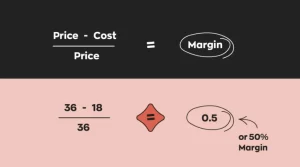 Source:inflow
Optimize Shipping
Tariffs can cause delays, so don’t forget to plan ahead. Be clear with customers about what shipping options are available, and whether there may be delays or extra shipping charges. You want to live up to expectations #1, and being upfront about things builds trust and sets realistic expectations that your customers will, in turn, wait a little longer.
Expand Your Market
Why limit yourself to the U.S. when there’s an entire rest of the world? Look to markets in the EU, Australia, Canada or Southeast Asia — areas that might not experience the same tariff problems. Whether through DropSure’s fulfilment cities or warehouses, the expansion of these areas has never been this simple. Tariff-heavy regions are obviously going to hurt your sales, but diversifying your target market can help you balance those losses.
Stay Legal and Compliant
Because tariffs are constantly being updated, it’s important to stay on top of current regulations. You may want to follow changes to prevent surprises that could throw a wrench in your business plans. Ensure these changes are reflected in your tax calculations so you can operate with ease and avoid penalties.
Get Creative with Marketing
Use product education to differentiate yourself Emphasize what they’re receiving, even if prices have increased a bit. You can sweeten the deal with free shipping, bundle discounts or loyalty programs. These are small gestures which can greatly help retain customers and make them repeat customers.
Provide Excellent Customer Service
Customers appreciate honesty. Get ahead of the game by being honest about potential price impact or shipping delays before they ever buy. When you communicate clearly, it builds trust and loyalty, and happy customers are far more inclined to come back.
Leveraging DropSure to Beat the Tariff Blues
Here’s the game-changer: DropSure. This platform is like the Swiss Army knife of dropshipping tools. Here’s how it can save the day:
- Lower Costs: DropSure helps you save on logistics and warehousing, so tariffs don’t sting as much.
- Diverse Suppliers: Access a network of reliable suppliers from tariff-free regions.
- Free Tracking: Keep your customers happy with real-time tracking at no extra cost.
- Data Insights: Optimize pricing and marketing with DropSure’s data feedback tools.
- Global Reach: Expand into new markets with DropSure’s extensive logistics network.
- Smart Automation: Manage orders efficiently and keep customer satisfaction high.
With DropSure, you’re not just surviving—you’re thriving.
So is dropshipping dead in the water from tariffs? Absolutely not. Sure, there are obstacles, but with the right strategies and tools (hello, DropSure!), and you can learn to turn challenges into opportunities. Now is the time to adapt, innovate, and keep moving forward. And that’s how the dropshipping game works — you have to be flexible and be one step ahead. Are you set to navigate the changes to those tariffs like a pro? Let’s do this!