








< Blogs

Cross-Border E-commerce Dropshipping: Compliance, IP & Consumer Protection

Vivan Z.
Created on March 28, 2025 – Last updated on April 1, 202513 min read
Written by: Vivan Z.

In the ever-changing landscape of international trade, cross-border e-commerce is seizing unprecedented development opportunities. The dropshipping model, with its low start-up barrier and financial cost advantages, is gradually becoming a popular choice among e-commerce entrepreneurs. Sellers do not need to pre-stock inventory or rent warehouses, but can instead focus solely on product promotion and sales, while suppliers handle production and shipping, significantly reducing initial risks.

However, while enjoying the convenience of dropshipping, cross-border e-commerce also faces a complex and dynamic international market and regulatory environment. Varying consumer preferences and regulatory requirements across countries make compliance operations key to ensuring robust business development. Only by strictly adhering to all regulations can sellers effectively manage risks and achieve long-term success.

This article will explore compliance operation methods for cross-border e-commerce dropshipping, analyze the model’s advantages and potential risks in detail, and provide you with practical compliance recommendations.

What is Dropshipping?

Dropshipping is a retail model where the seller (also known as the dropshipper) does not directly hold or manage inventory. In this model, the seller showcases products on an online store or e-commerce platform. Once a customer places an order, the seller forwards the order details directly to the supplier or manufacturer. The supplier or manufacturer then ships the product directly to the customer.
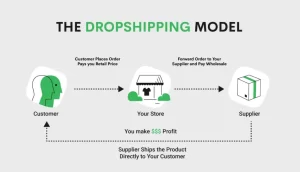
dropshipping model

So, what are the advantages of dropshipping?

Imagine you are the owner of an online clothing store. You don’t need to rent a warehouse to store thousands of pieces of clothing or worry about unsold inventory. Instead, you simply display photos and descriptions of the clothing on your website, and once a customer orders, you notify the supplier to ship the product. This is the freedom that the dropshipping model offers.

Additionally, when a customer sees an item on your website and places an order, the order information is immediately relayed to your supplier. The supplier then picks the product from their warehouse based on the order details and ships it directly to the customer. This process is fast and efficient, reducing intermediaries and improving response times.

In the dropshipping model, your profit comes from the difference between the selling price and the supplier’s wholesale price. For example, if the wholesale price of an item is $20 and you sell it for $40, once the customer places an order, you pay $20 to the supplier and keep the remaining $20 as profit. This model enables you to make sales with minimal upfront costs.

Compliance in Operation: Key Points for Dropshipping in Cross-Border E-commerce

When operating a dropshipping business in cross-border e-commerce, compliance is critical. To conduct your business legally and in accordance with regulations, please consider the following points:

Avoid Infringing Intellectual Property Rights 

Unauthorized use of another party’s brand name or trademark 

This refers to the use of another party’s brand name, logo, or trademark without obtaining proper authorization. Whether it’s on product packaging, promotional materials, or website displays, using protected brand elements may confuse consumers into mistakenly believing that the product is associated with a well-known brand. Such actions not only harm the reputation of the original brand but may also lead to legal disputes, resulting in high compensation and administrative penalties for the company.
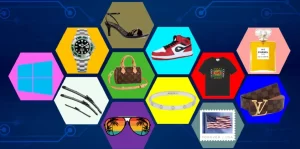
Unauthorized use of another party's brand name or trademark

Selling Products That Are the Same or Similar to Popular Brands  

Selling items with a highly similar appearance, design, or style to those of popular brands can easily mislead consumers into believing that the products are genuine or officially licensed. Even if the product quality differs, an overly similar design may infringe on the original brand’s design rights or patents, potentially leading to legal disputes. Once consumers’ trust in authentic products is undermined, it not only damages the brand’s image but also disrupts market competition, resulting in significant economic losses and reputational crises.

Sourcing Products from Unregulated Channels 

Purchasing products through unregulated channels often lacks proper documentation of legitimate sourcing. This increases the likelihood that the products are counterfeit, substandard, or of poor quality. Selling such products not only causes direct economic and safety losses for consumers but also exposes the business to infringement and fraud risks. Regulatory authorities impose strict penalties on counterfeit and substandard products, and businesses may face severe sanctions, potentially leading to the collapse of their commercial reputation and brand image.

Selling Products with Copyrighted Designs 

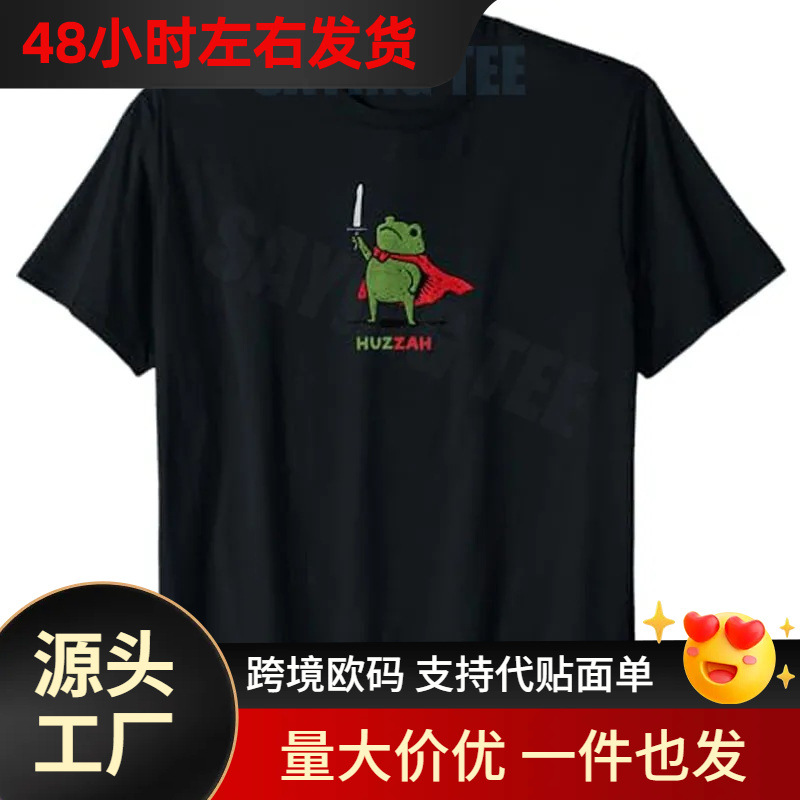
Using copyrighted design elements in the production and sale of products without authorization constitutes direct infringement. For example, printing Disney characters or other well-known copyrighted images on items such as T-shirts and hats without permission can easily lead consumers to assume that the product has official endorsement. Such actions not only severely violate the legal rights of the copyright holders but, once discovered, may result in lawsuits with heavy compensatory damages and market bans, among other adverse consequences.

Recommendations to Avoid Infringement Risks 

In actual business operations, to avoid legal risks and commercial losses associated with intellectual property infringement, it is essential to verify the credentials of your suppliers. Businesses should ensure that suppliers possess valid business licenses, brand authorization certificates, and other relevant documents, thereby reducing the risk of procuring infringing products. Before listing products for sale, it is advisable to have thorough communication with suppliers, clearly conveying the intention to sell products through overseas online channels and discussing related intellectual property issues in detail, ensuring that both parties have a clear understanding of their responsibilities and obligations.

Additionally, tools such as Google’s “reverse image search” can be utilized to compare product appearances and designs to detect any high similarity to well-known brands, thus identifying potential infringement risks early. If there is any uncertainty during information gathering and assessment, it is important to consult with a professional lawyer familiar with the relevant laws and regulations. A lawyer can not only interpret specific intellectual property laws but also assist the business in formulating compliant sales strategies, ensuring that all applicable intellectual property laws and standards in foreign markets are adhered to, thereby safeguarding the business’s legal rights and market competitiveness.

reverse image search

Common Behaviors That Harm Consumer Rights

Abusing Consumer Personal Information
The personal information provided by consumers during the shopping process is sensitive data and should not be misused. Some sellers may use consumer information for unauthorized marketing activities or sell it to third parties, thereby infringing on consumers’ privacy rights. To protect consumer privacy, sellers should clearly inform consumers of the purpose when collecting information and obtain their consent to receive marketing emails. Additionally, providing a clear link to the privacy policy on the platform ensures that the handling of information is transparent and secure. 


Implementing Unreasonable Return and Exchange Policies and Concealing Costs 

Unreasonable return and exchange policies can make it difficult for consumers to assert their rights when issues arise. Hiding information about associated costs can also lead to misunderstandings in purchasing decisions. To safeguard consumer rights, sellers should establish a dedicated returns and exchanges policy page that details all terms and fees, ensuring transparency. Clear policies not only help consumers understand their rights but also contribute to establishing the company’s image of integrity.

Lack of Accurate or Updated Logistics Tracking Information 

Timely and accurate logistics tracking information is a key part of the consumer experience. Some sellers, due to choosing unreliable logistics service providers, may leave consumers without the latest logistics status during the waiting period, thereby affecting the shopping experience. Selecting a logistics provider that offers comprehensive tracking services, ensuring that consumers can always check the delivery progress, is an important measure to protect consumer rights.

Insufficient After-Sales Support or Difficulty Reaching Customer Service 

After-sales service is crucial for consumers when they encounter issues after purchasing a product. Insufficient after-sales support or difficulty reaching customer service can easily lead to consumer dissatisfaction and complaints. An effective after-sales service system should not only promptly address consumers’ questions and complaints but also establish multi-channel customer contact mechanisms so that consumers can receive effective assistance when issues arise. This, in turn, improves the overall shopping experience and enhances the company’s reputation.

Insufficient After-Sales

Accurate Advertising Should Reflect the Actual Product 

In all marketing activities, the advertising content must truthfully reflect the actual products being sold. If there is a significant discrepancy between the advertised product and the actual product received, consumers will be severely misled, which may lead to legal actions and a crisis of trust. Sellers should ensure that advertisements, images, and descriptions are consistent with the actual product, avoiding exaggeration or false advertising. This approach not only effectively reduces legal risks but also helps in building long-term, stable customer relationships.

Common Advertising Errors

Exaggerating Product Features or Effects 

Exaggerating a product’s features or effects in advertising copy can lead consumers to develop unrealistic expectations, resulting in disappointment when the product is actually used. To build long-term trust, sellers should use precise and objective language to describe product functions, ensuring that marketing content accurately reflects the product’s real performance. This helps avoid consumer complaints or legal disputes arising from discrepancies between the promotion and the actual product.

Over-Enhancing Images 

Using overly enhanced product images may mislead consumers, who might later discover significant differences between the promoted appearance and the actual product. Therefore, sellers should opt to display genuine images, or re-photograph and edit images in a realistic setting, to ensure that the visual representation accurately reflects the product’s true condition. This approach enhances customer satisfaction and trust.

Inaccurate Product Descriptions 

Inaccurate or vague product descriptions can lead to doubts about the product’s functions, specifications, and quality. After thorough communication with suppliers, sellers should ensure that all product details—such as materials, ingredients, and certification marks—are accurately reflected on the product page. This helps consumers make informed purchasing decisions and reduces the risk of disputes caused by information asymmetry.

Manipulating Product Reviews 

Some sellers attempt to manipulate product reviews to enhance the product’s image. This behavior not only violates principles of honest business practices but can also result in a poor consumer experience after purchase, ultimately damaging the company’s reputation. Maintaining genuine product reviews helps consumers obtain objective feedback. Sellers should encourage honest evaluations from buyers and avoid any form of deceptive promotion, thereby establishing a robust system of customer trust.

Manipulating Product Reviews 

Exaggerating Discount Offers 

While exaggerating discount offers in promotional activities can quickly attract consumer attention, discrepancies between the advertised and actual discounts can lead to consumer dissatisfaction and complaints. Reasonable pricing and transparent disclosure of discount information not only prevent issues of false advertising but also maintain the company’s image and market integrity, helping sellers build a strong reputation in a competitive environment.

Adhering to Tax and Licensing Regulations  

In cross-border dropshipping, it is not only important to maintain accuracy and truthfulness in advertising and product descriptions, but also to strictly comply with tax and licensing regulations. In mainland China, sellers need to hold a valid business license and timely declare VAT and corporate income tax; while operating in overseas markets, it is even more critical to pay attention to the tax requirements and licensing regulations of the target market. Properly managing tax issues and licensing compliance can help avoid account suspensions, website bans, or hefty fines due to violations, and lays a solid foundation for the long-term, stable development of the business.In summary, through the content above, you should have gained a more comprehensive understanding of the dropshipping model in cross-border e-commerce. This model, while having low barriers to entry and minimal capital costs, offers you an excellent opportunity to enter the international market. However, it also comes with complex legal regulations and market supervision risks.

Summery

To ensure your business develops steadily, you need to pay attention to intellectual property protection, consumer rights maintenance, truthful and accurate advertising, and strict compliance with tax and licensing regulations.

DropSure is Your Best Partner
22 Years Experience
Affiliate Rebates
100% Quality Guarantee
Top-Up Rewards
10+ Global Warehouses
Custom Branding Support
Smart inventory System
24/7 Customer Support
Get a Quote in 24 Hours
Start Sourcing for Free

Keep Learning

In 2025, e-commerce has fully integrated into our daily lives. From placing orders while scrolling through TikTok to AI-powered product recommendations, the way consumers shop is becoming increasingly seamless and instinctive. In this landscape, if you’re looking to start your own online business with low cost and high efficiency, Shopify remains one of the best website-building platforms out there. So, what exactly is Shopify? What can it really do? And what’s new with Shopify in 2025?This guide will walk you through everything you need to know — in the most straightforward and practical way possible — to help you understand how Shopify works and how you can make the most of it this year. What is Shopify? In simple terms, Shopify is a platform specifically designed to help people “build e-commerce websites.” Whether you’re selling clothes, jewelry, digital products, e-books, courses, or even running a “dropshipping” business without holding any inventory, Shopify can meet your needs. If you’ve worked with WordPress before, you can think of Shopify as the “e-commerce version of WordPress,” but much easier to use. You don’t need to know any coding or worry about things like servers, plugins, or templates. Just sign up for an account, choose a template, and fill in some product information — within minutes, you’ll have your very own online store. The whole process is as easy as “moving in” — hassle-free and efficient. And Shopify isn’t just a simple template system; it’s a fully mature, end-to-end e-commerce backend platform, supporting: • Product management (pricing, inventory, categories, etc.) • Multi-channel sales (website, Facebook, Instagram, TikTok, Google, etc.) • Customer relationship management (membership systems, email marketing) • Order and logistics management • Online […]

Did you know that coffee is one of the most widely consumed beverages in the world? In fact, the global coffee market is worth billions of dollars and continues to grow each year. Consumers today aren’t just looking for any coffee – they’re after high-quality beans, unique blends, and convenient ways to enjoy their favorite brew. As demand for premium coffee rises, more and more entrepreneurs are jumping into the coffee dropshipping business. But here’s the million-dollar question: Is dropshipping coffee really profitable? Can you turn a passion for coffee into a thriving business without the risks of managing inventory? In this guide, we’ll explore the coffee dropshipping model and help you figure out if it’s a smart business move for you. Let’s dive in! What Is the Coffee Dropshipping Model Before we jump into the profitability of coffee dropshipping, let’s first break down how it works. Coffee dropshipping is a simple, low-risk business model where you sell coffee online without holding any inventory. Instead, you partner with coffee dropshipping suppliers who will handle the product storage, packing, and shipping directly to your customers. When a customer orders a product, your supplier takes care of all the logistics behind the scenes, and you earn a profit without ever touching the product. This model is great for people who want to start an online coffee business but don’t want to deal with the hassle of inventory management or complex shipping logistics. One of the best parts of dropshipping is that you don’t need a warehouse or a massive upfront investment. It’s a low-barrier entry into the coffee business that’s scalable, flexible, and simple. For beginners, using a platform like DropSure can […]

Considering investing in a dropshipping business that makes $10,000 a month? That’s a big step! But before you start diving in, let’s make sure you truly understand how this business model works. When implemented correctly, dropshipping can be incredibly lucrative—like getting paid when the system runs on autopilot. Sounds good, right? However, success doesn’t come instantly. Now set realistic goals and map a well-laid plan. The key? Learn the Rules of Dropshipping and Get Started With a Plan That Fits You You’ve got this! What is Dropshipping Dropshipping is a simple way to sell products online without keeping inventory. Here’s how it works: You create an online store and sell products. Your business is the intermediary; a customer orders a product from you, and you send it to a supplier. The supplier directly sends the product to your customer. You don’t touch the products yourself, so there are no warehouses to worry about, no inventory to hold, and low overhead. Sounds easy, right? That’s the beauty of it! You handle marketing and customer service, and your supplier handles the rest. But keep in mind, it’s not a “get rich quick” scheme. It takes the right products, find good suppliers, and build a good brand to succeed. With the right effort, it can be a great business model! How much can you really make with dropshipping How much can you actually earn with dropshipping? Are you starting a business that can eventually generate income? Some start small, netting hundreds of dollars a month profiting, while others shoot for the stars and reach six or even seven figures a year. Here’s the deal: Dropshipping isn’t a “set it and forget it” business. Finding the right products that sell, attracting the right customers, and operating your store all take work. Marketing and […]

Recommended for you

Outdoor New Camping Solar Inflatable Light Folding Waterproof Magnetic Camping Light Air Column Light
$ 16.80
120-300 large size womens small fragrant wind dress 2024 autumn and winter new fat sister folds senior sense long sleeves
$ 24.12
Air Jack 3 Ton/6600 lbs Triple Bag Air Jack Airbag Jack with Six Steel Pipes Lift up to 17.7 inch/450 mm 3-5 s Fast Lifting Pneumatic Jack with Long Handles for Cars Garages Repair Red
$ 64.44
New Canvas Flip Flops Summer Thong Sandals Comfortable Fashion Flat Shoes For Women
$ 4.20
Prohibited From Sale On Amazon XISHAN 8X20 HDPE Sunshade Sail 160 Grams
$ 13.76
Hot selling ladies simple necklace mothers day necklace holiday gift mom necklace gift box decorations
$ 1.38
Marsden Blue Upholstered Vertical Channel Tufted Loveseat
$ 531.17
OceAura Essential Oil Set Relieve Body Fatigue Moisturize Dry Skin Lock Water Hydrating Essential Oil
$ 11.54
Trendy Decor 4U He is the Potter Framed Wall Art Modern Home Decor Framed Print for Living Room Bedroom & Farmhouse Wall Decoration by Billy Jacobs
$ 69.46
Yinzhuo G2000 3.5mm wired gaming headset suitable for PC mobile phone tablet noise cancelling headset
$ 10.24
Accent Table C-shaped End Side Snack Living Room Bedroom Grey Laminate Chrome Metal Contemporary Modern
$ 41.35
Slant Empire Cyliner V Notch Softback Lampshade with Washer Fitter White
$ 51.73
2023 Animal Schoolbag Kindergarten Cute Schoolbag Canvas Boys and Girls Going Out Small Backpack SHJ
$ 10.59
9 H x 28 W Fiber Reinforced Concrete Outdoor Fire pit
$ 162.75
Outdoor Patio 24 H x 32 W Square Gas Burning Concrete Fire Pit Wood Pattern – Brown – 40000 BTU Tank Inside
$ 459.06
Pro60 Bluetooth Earphones Wireless Headphones Noise Cancelling Headset with Mic HiFi Stereo Sports Earbuds for Smartphones
$ 3.44