








< Blogs

5 Ways Overseas Warehouses Help You Beat the Tariff Trap

Vivan Z.
Created on April 21, 2025 – Last updated on April 23, 202515 min read
Written by: Vivan Z.

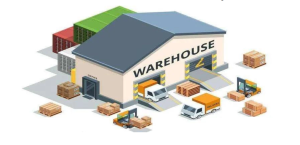
warehouse

In the past, overseas warehouses weren’t a major focus in cross-border e-commerce. However, with changes in the global trade environment and rising tariffs, their importance has grown significantly. For sellers targeting markets like the U.S. and Europe, having their own overseas warehouse or using third-party storage directly impacts operational efficiency, cost control, and brand competitiveness. Today, overseas warehouses are crucial to standing out in a competitive market.

How can cross-border e-commerce sellers use overseas warehouses to improve efficiency and competitiveness? Let’s explore the 5 ways overseas warehouses help you beat the tariff trap.

Benefit 1: Improving Efficiency

With tariffs increasing, many cross-border sellers are starting to stock up in advance, sending hot-selling products to overseas local warehouses. This approach cuts international shipping times, which can otherwise take 10 to 20 days, down to just 1 to 5 days for delivery. It also bypasses customs clearance issues, provides opportunities for tax refunds, and ultimately saves both time and money.

For example, goods shipped from China to border warehouses in Vietnam can be delivered to Hanoi within 1-2 days. In Europe, countries with strategic locations, like the Czech Republic and Poland, have become key “transit hubs” for Amazon Europe warehouses. When the main warehouse in Germany runs out of stock, these places can quickly “replenish” the inventory, ensuring a high delivery efficiency.

According to the “2024 Overseas Warehouse Blue Book,” more than half of third-party warehousing service providers can complete the full process of “picking, weighing, labeling, and shipping” within 60 minutes. In today’s competitive cross-border e-commerce environment, speed and turnover are key factors that determine success.

Suggestions for Cross-border Sellers:

Don’t just focus on US FBA or major UK warehouses. These locations are highly competitive, expensive, and come with many restrictions. Consider expanding into “secondary markets” or “nearby warehouses” in Southeast Asia, Eastern Europe, or Mexico. While the market size may not be as large, the shorter transportation routes make logistics more flexible. For example, combinations like a Mexico warehouse + last-mile delivery in the Western US or a Poland warehouse + Germany’s main warehouse have been proven to be effective.

When choosing an overseas warehouse partner, don’t just focus on price. It’s more important to consider whether they have “smart capabilities,” such as system integration, real-time tracking, and the ability to send immediate alerts in case of missing goods or order issues. It’s no longer about having the biggest warehouse, but rather the fastest response.

Don’t get too greedy with SKU management. Not all products are suitable for overseas storage. Before sending large amounts, research the best-selling data of local platforms and target audiences. Start with small batches to test the waters and quickly reorder successful products before scaling up. Otherwise, if you overstock and the products don’t sell, you may face challenges with returns and excess inventory.

If possible, use a “multi-warehouse + multi-channel” strategy for backup. For example, keep high-traffic SKUs in local warehouses and send another batch via international express or registered mail for redundancy. This way, if the overseas warehouse gets overwhelmed or there are order delays, the main channel is backed up with a Plan B, preventing a complete breakdown in your logistics.

Benefit 2: Reducing Cost 

In an era of rising tariffs, many sellers have been forced to build in a 20%-30% “tariff buffer” into their pricing just to stay afloat. With profits being squeezed so tightly, the first thing a seller needs to focus on is cost-cutting, and overseas warehouses are a key strategy for doing just that.

First, major savings on shipping costs.
Overseas warehouses adopt a “centralized shipping” model, where goods are packed and shipped in bulk via sea freight or rail (e.g., China-Europe rail), significantly lowering the cost compared to individual direct shipments. This is especially useful for large, heavy items such as fitness equipment, pet supplies, and outdoor furniture. If you’re still using air freight for direct shipping, you’re probably burning money. Using overseas warehouses can reduce overall shipping costs by 20% to 30%, and it also reduces the chances of your shipments being randomly inspected or delayed at customs.

Second, local delivery is much more affordable.
Once the goods arrive at the overseas warehouse, local couriers handle the delivery, which is both cheaper and faster, improving the customer experience. Plus, returns can be sent directly to the local warehouse, eliminating the headache of handling “international returns.” This saves not only on return shipping fees but also on time and labor. For example, returning products from the US to China can sometimes cost up to 50% of the product’s sale price, destroying your profit margin. But with a local warehouse, returned goods can be repacked and resold, turning waste into profit.

Third, favorable tax structures can also lead to tax savings.
In the EU, B2B (business-to-business) replenishment and B2C (business-to-consumer) fulfillment have different tax systems. B2B customs clearance often allows for tax deferral and may even offer tax rate discounts in some regions. On the other hand, B2C direct shipping means immediate tax payments, which are often complicated with lower thresholds. By using an overseas warehouse, you essentially create a “buffer zone” in terms of taxes, which can benefit your bottom line.

Practical advice for sellers:

Prioritize placing large, low-margin, and high-return-rate products in overseas warehouses. Products that are often returned are difficult to manage through direct shipping, but with an overseas warehouse, returned goods can be resold as second-hand items, avoiding total loss.

Plan the replenishment frequency for overseas warehouses carefully. More stock doesn’t always mean better. You need to adjust dynamically according to estimated sales, SKU performance, and seasonal peaks. Particularly before the off-season, consider clearing out excess stock to avoid high warehousing costs eating into your profit.

Be aware that overseas warehouses aren’t a “get out of jail free card” for taxes. Different countries have different rules. Be sure to work with a reliable customs broker or consultant to understand the processes and avoid potential pitfalls. For example, after Brexit, the VAT policy in the UK and OSS declarations in Germany can lead to unexpected tax issues if not handled properly.

Benefit 3: Boosting Marketing Effectiveness

In traditional direct shipping models, large, heavy, and fragile products are often marketing “dead zones.” No matter how well you write copy, create videos, or spend on ads, when customers see the high shipping costs and delivery times, they walk away, and platforms aren’t eager to give you traffic either.

However, once you start using overseas warehouses, the situation completely changes.

First, product labels change, and platform algorithms reward you.
On platforms like Amazon and Walmart, shipping speed is a critical part of the Buy Box algorithm, especially for Amazon, where fast delivery often equals high sales. By using overseas warehouses, your products can be tagged with “local shipping” and “1-3 days delivery,” which boosts your ranking on the platform and increases your chances of entering the Prime pool. This isn’t some mystical theory; it’s the actual mechanics of the platform. Delivery speed has a weight of over 20% in the algorithm, so if you’re fast, the platform will push you higher in search rankings.

Second, previously unsellable “niche SKUs” can now thrive.
Products like dumbbells, office chairs, floor lamps, and glassware sets may have been dead ends for direct shipping from China, but once placed in local warehouses, they become “high-value local options.” These products can now be advertised, bundled, and even included in external deals. This is because logistical limitations are removed, and what was once a dead product turns into a potential bestseller.

Third, choosing the right type of warehouse ensures accurate marketing strategies.
There are three main types of overseas warehouses:

Platform warehouses (e.g., Amazon FBA): These offer high weight and large traffic, making them suitable for volume-based sales. The downside is the strict rules and high storage fees.

Third-party warehouses (e.g., ShipBob, DEALCASE): These offer high flexibility and controllable costs, ideal for selling on multiple platforms.

Self-built or cooperative warehouses: These are suitable for sellers with established brands, strong supply chains, and financial resources. The advantage is strong control and the ability to customize operations, such as dropshipping and local customer service interaction.

Depending on the seller’s stage and approach, different warehouse types may be more suitable:

Sellers focusing on viral products should first use FBA to capture traffic.

Sellers operating on multiple platforms benefit from third-party warehouses for higher efficiency.

Brand-focused sellers may prefer semi-self-built warehouses to engage private customers and improve customer service in the long run.

Practical suggestions for sellers:

When selecting SKUs, consider their potential to be “saved” by logistics.

Some SKUs may not be unsellable—they’re just stuck due to poor logistics. Review old products in your warehouse with high clicks but low conversions, and test them with overseas warehouses. Many times, they can be revived. Pair external advertising with local warehouse shipping for better results.

Platforms like Facebook, TikTok, and Pinterest are most worried about “users seeing → clicking → then finding out they have to wait three weeks.” With a local warehouse, you can create a “next-day delivery” loop for your ads, dramatically improving your ROI. Offer bundle deals to increase the average order value.


Benefit 4:Enhancing Customer Experience


When it comes to consumer purchase decisions, one of the most important factors, besides product quality, is the controllability of logistics services. For example, Xiaomi’s air purifiers in Germany were able to achieve same-day delivery through overseas warehouses, and this strategy increased their repurchase rate by 25%. Similarly, Temu saw a 40% sales increase in Southeast Asia by offering “3-day delivery” alongside limited-time promotions. Data shows that nearly 80% of consumers abandon their orders due to high shipping costs or slow delivery. With overseas warehouses, the abandonment rate dropped from 70% to under 15%. This difference is significant and directly impacts the success or failure of an order.


Furthermore, by improving customer experience, platforms will reward you with better positioning in their algorithms. Offering fast and reliable delivery through overseas warehouses allows your products to appear higher in search rankings, such as on Amazon’s listings. This not only boosts exposure but also increases sales. Additionally, local warehouses enable promotions like flash sales and group buys, widening your sales opportunities. In simple terms, investing in overseas warehouses is not just about improving logistics efficiency; it’s about using a better customer experience to earn platform traffic benefits.


Benefit 5:Optimizing Supply Chain


When it comes to consumer purchase decisions, one of the most important factors, besides product quality, is the controllability of logistics services. For example, Xiaomi’s air purifiers in Germany were able to achieve same-day delivery through overseas warehouses, and this strategy increased their repurchase rate by 25%. Similarly, Temu saw a 40% sales increase in Southeast Asia by offering “3-day delivery” alongside limited-time promotions. Data shows that nearly 80% of consumers abandon their orders due to high shipping costs or slow delivery. With overseas warehouses, the abandonment rate dropped from 70% to under 15%. This difference is significant and directly impacts the success or failure of an order.


Furthermore, by improving customer experience, platforms will reward you with better positioning in their algorithms. Offering fast and reliable delivery through overseas warehouses allows your products to appear higher in search rankings, such as on Amazon’s listings. This not only boosts exposure but also increases sales. Additionally, local warehouses enable promotions like flash sales and group buys, widening your sales opportunities. In simple terms, investing in overseas warehouses is not just about improving logistics efficiency; it’s about using a better customer experience to earn platform traffic benefits.


Is Overseas Warehousing Worth the Price? 


When many sellers hear “overseas warehouse,” their first reaction is often: expensive. It’s true that the initial investment can be significant, with costs for warehouse rent, labor, and system setup that can be daunting. However, the problem is, if you only focus on the upfront costs, you might miss an opportunity that could really elevate your business. Overseas warehouses are not about burning money; they are about spending a little to lay the groundwork for greater things.


First, let’s talk about warehouse rent. Prices vary greatly by region. Major hubs like Los Angeles may be expensive, but their service systems are well-established, providing fast shipping, smooth customs clearance, and efficient return processing. The overall experience is worth the price. Yes, labor costs may be high, but this allows you to operate locally, ensuring that customer issues are addressed quickly and improving customer satisfaction.

Next, let’s consider logistics fees, which are often the most underestimated hidden cost. Shipping from domestic locations one by one is expensive, time-consuming, and prone to issues. But when you push your inventory to overseas warehouses, centralize your stock, and then ship locally, transportation costs are reduced by more than half, improving efficiency, reputation, and profits. This is especially valuable for heavy items, large products, or popular items with high sales volume—this investment really pays off.


The more crucial aspect is that overseas warehouses open the door to “local operations”: time-sensitive deliveries, local returns, regional promotions, and group buying offers can now be made possible. Many markets that were previously difficult to reach can now be securely entered.

Project Without Overseas Warehouse (Traditional Direct Shipping) With Overseas Warehouse
Initial Investment Low, no need for warehouse rent or local teams High, involves warehouse rent, labor, and system setup
International Logistics Cost High, shipping from domestic locations per order Low, centralized transport + local distribution
Shipping Speed Slow, 7-15 days typically Fast, can achieve 2-5 days or even next-day delivery
Customer Satisfaction Average, customers may leave due to delays or logistics issues High, fast delivery, stable service
Return/Exchange Handling Difficult, high return rate and handling cost Easy, local returns, builds trust

High tariffs are not a stumbling block, but a filter. Only sellers who master the “high-end strategy” of overseas warehouses can secure their footing in the global competition.


If you’re a cross-border seller, you definitely can’t afford to miss this opportunity to布局 overseas warehouses.


buttom

DropSure is Your Best Partner
22 Years Experience
Affiliate Rebates
100% Quality Guarantee
Top-Up Rewards
10+ Global Warehouses
Custom Branding Support
Smart inventory System
24/7 Customer Support
Get a Quote in 24 Hours
Start Sourcing for Free

Keep Learning

Ever thought about making big money with an online store without worrying about making or storing products? That’s the magic of dropshipping! You set up a business, sell products worldwide, and never even touch them. In this article, I’ll walk you through the potential risks you may face in dropshipping and the laws you need to know before getting started. This will help you navigate the business more smoothly and set yourself up for success in the dropshipping world. What is dropshipping? Dropshipping is a retail model where the dropshipper focuses on sales, marketing, and customer service, while third-party suppliers handle manufacturing and fulfillment. When a customer places an order, the retailer passes it to a supplier, who then packages and ships the product. This business model is especially popular with e-commerce retailers because it reduces the costs of starting and running an online store. Is dropshipping worth it now? The future looks promising. As global e-commerce rapidly grows and consumer shopping habits shift, dropshipping continues to be a popular model. Its low cost and flexibility make it ideal for small businesses and entrepreneurs. Plus, advances in supply chain technology are set to boost efficiency and expand its global reach. Is dropshipping legal? Yes, dropshipping is legal and a popular business model where retailers don’t keep stock. Instead, when a customer orders, the retailer passes it to a supplier or manufacturer, who ships the product directly to the customer. However, like any business, dropshipping retailers must follow local, national, and international laws for selling goods. As long as you stick to the rules, dropshipping is generally low-risk, with minimal personal or product liability. However, it’s smart to have a lawyer […]

Is Amazon the Only Option? Think Again! When people think of online shopping, Amazon often comes to mind first. But did you know there are plenty of other e-commerce platforms that offer great alternatives—some with lower fees, niche markets, or better seller support? Whether you’re a seller looking for new opportunities or a shopper searching for unique products, exploring different platforms can open up exciting possibilities. Here are 15 e-commerce platforms that are giving Amazon a run for its money! Global E-commerce Platform  eBay Founded in 1995, eBay is one of the world’s earliest e-commerce platforms, headquartered in California, USA. Its core model is C2C and auction mechanism, allowing individuals or small businesses to trade second-hand goods, collectibles, niche goods, etc. through bidding or one-bite price. As of 2025, eBay covers more than 190 countries and regions, and users can conduct transactions through localized sites (e.g., eBay US, UK, etc.). The platform features long-tail goods (rare items, personalized goods) and flexible pricing. Core differences between eBay and Amazon  1. Business models and types of sellers ● eBay: Started as an auction model and later expanded to fixed-price sales, focusing on C2C and small B2C. Sellers are mostly individuals or small and medium-sized merchants, and their products are mainly second-hand, collectibles, and non-standard products. ● Amazon: B2C self-operated (Amazon Retail) and third-party merchants, focusing on standardized products and new products. The proportion of large brand names is higher, and the product categories are concentrated in standardized products such as electronic products, daily necessities and books. 2. Fee structure and logistics ● eBay: Fees include listing fees (product listing fees) and transaction fees (about 10-15% commission), no warehousing fees. No warehousing fees. […]

Guess what? Dropshipping isn’t going away, it’s booming! According to the latest data, the global direct-to-consumer market is expected to reach $434.98 billion by 2025, and that number could jump to $224.76 billion by 2033. This shows that dropshipping is still vibrant and evolving as more and more people choose to shop online. So how do you, as a dropshipping company, stay competitive in 2024 and beyond? The secret lies in embracing new technologies, such as automation and artificial intelligence. These technologies help business owners select the best products, automate customer service, and run their businesses more efficiently. With these tools, dropshipping will become easier and more profitable, even as the market continues to grow. So dropshipping isn’t going away – it’s just changing and adapting to the future. If you’re thinking about starting a dropshipping journey, don’t hesitate! Keep reading our blog and master the knowledge and strategies that will help you succeed! Why is Dropshipping so popular? The dropshipping business model has become one of the most widely used e-commerce models because it is ideal for beginners and relatively easy to get started with a reasonable budget. In addition, data suggests that the epidemic has played a positive role in the growth and popularity of the drop shipping business. Some 62% of U.S. adults surveyed said they visited brick-and-mortar stores less frequently, while another 52% reported an increase in online shopping activity. The model continues to feature prominently in consumer preferences after the epidemic subsides, ensuring a bright future for the one-piece shipping industry. Is Dropshipping Legal?   While this is a very broad question, generally speaking, the answer is yes – dropshipping is a legitimate business model. The […]