







 11 min read
Many e-commerce brands may appear large and well-established, but in reality, they don’t manufacture their own products. Instead, they simply put their brand logo on products that are produced and supplied by third-party manufacturers. This is what we’re focusing on today: White Label products.
This model allows businesses to concentrate on brand building and marketing, while outsourcing the complex manufacturing process to specialized producers. What’s even better is that white label products can be applied across almost every category—from beauty and food to software and home goods—offering considerable profit margins.
What is White Label?
White label basically means taking a product that’s already mass-produced by someone else, slapping your own brand and packaging on it, and then selling it as your own. Think of it like buying a “semi-finished” product and turning it into your own “star product.” But don’t confuse it with Private Label—they’re not the same. Private label products are made specifically for your brand, and only you can sell them. White label products, on the other hand, are ready-made and available for anyone to rebrand and sell.
Here’s a simple example: Let’s say you want to sell hand sanitizer.
If you go the white label route, you just need to find a supplier who already makes hand sanitizer. You get the product, put your logo on it, change the packaging a bit, and boom—you can start selling it online or in physical stores.
If you choose the private label route, you’ll need to work with a manufacturer to create a unique formula, custom bottle design, and exclusive packaging—making it a product only you can sell. That way, competitors can’t offer the same thing.
The beauty of white label is that it saves time and effort. There’s basically no R&D cost, no need for production equipment, and no hassle managing manufacturing. You can launch new products quickly and easily. But since anyone can sell the same base product, you’ll need to stand out through strong branding, design, and marketing.
How Does White Label Work?
White labeling is actually super straightforward—the whole process basically comes down to: pick a product → rebrand it → sell it. It’s perfect for anyone who wants to launch a brand quickly without dealing with manufacturing headaches.
Here’s how it typically works:
First, you decide what kind of product you want to sell—maybe fitness gear, scented candles, skincare, or home goods. This step is crucial. Ideally, you should pick a category you’re familiar with or one that’s trending in the market.
Next, you find a supplier. There are plenty of platforms that specialize in white label products, like DropSure. These platforms offer thousands of ready-made items you can choose from and easily rebrand.
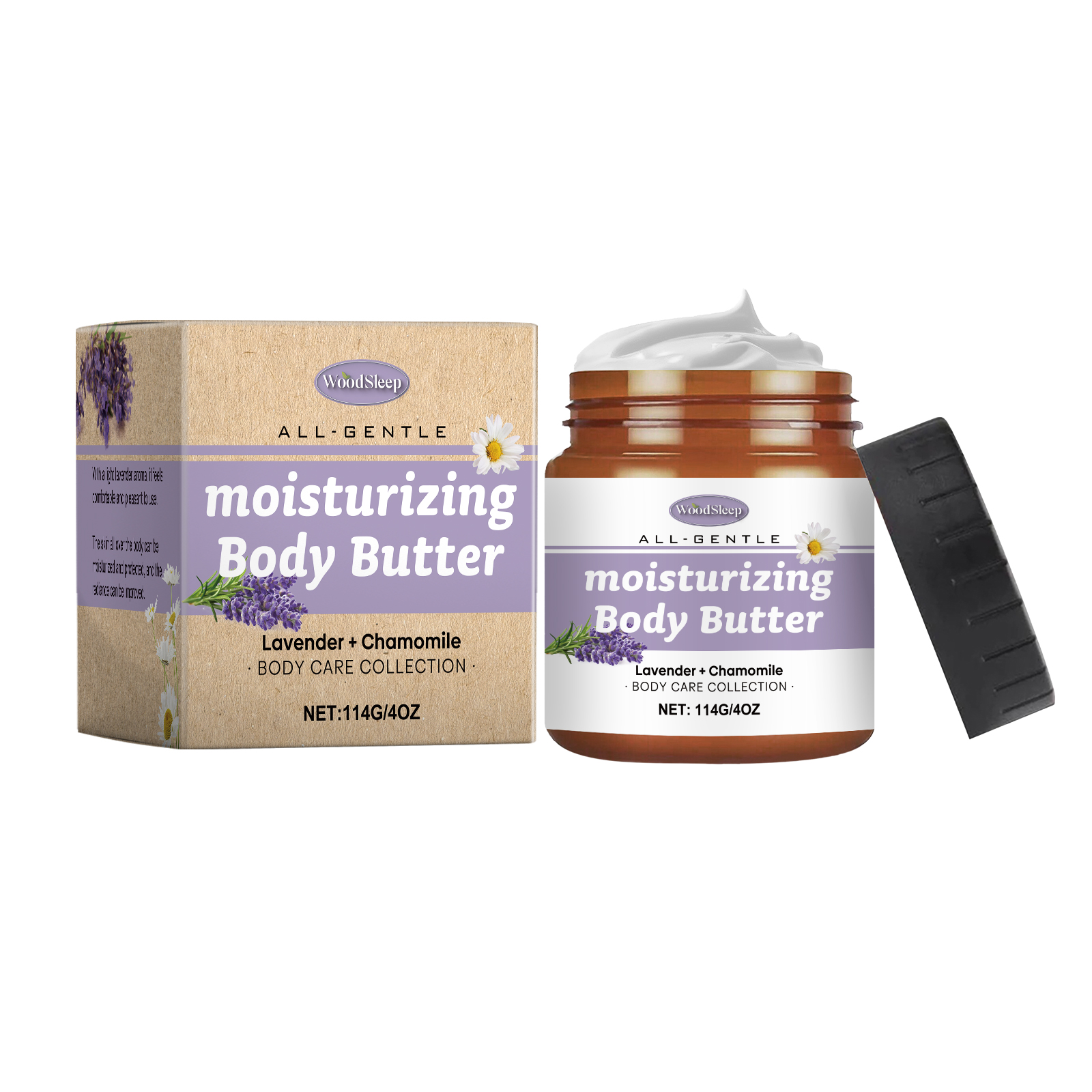
Then comes the fun part: turning the product into your own. That means slapping on your logo, customizing the packaging, choosing different colors, and sometimes even tweaking the formula or accessories a little—depending on your brand image and budget.
The final step is launching and selling. You can build your own Shopify store, or list your products on platforms like Amazon, TikTok Shop, Pinduoduo, or Temu. Use social media, ads, or influencer marketing to drive traffic, and you’re good to go.
Platforms like Zendrop are especially beginner-friendly. They handle sourcing, branding, packaging, and shipping for you. All you need to focus on is picking the right products and marketing them. It’s efficient, low risk, and saves you tons of time.
Which Industries Use White Label Products?
Food and Everyday Consumer Goods
This is by far the most common and well-established area for white label products. In fact, many big-name supermarkets are masters at running white label operations.
For example:
● Great Value by Walmart
● Smart Way by Kroger
These look like independent brands at first glance, but they’re actually the supermarket’s own private-label products. In many cases, they’re made in the same factories as big-name brands sitting on the shelf right next to them—but sold at a much lower price.
Why do supermarkets do this? A few solid reasons:
-
Lower costs – white label products don’t require investment in branding or marketing.
-
Higher profit margins – the products are cheap to make and sell, but still generate decent margins.
-
Customer loyalty – over time, customers start to trust the supermarket’s house brand, which boosts repeat purchases.
So next time you see a bunch of affordable and well-packaged items in a grocery store, chances are you’re looking at the supermarket’s white label in disguise.
Beauty and Skincare
This industry can be called the breeding ground for white label products, especially fueled by the influencer economy.
Take Kylie Cosmetics as a prime example—a classic and hugely successful white label case. All the products are manufactured by third-party factories, while Kylie Jenner herself focuses mainly on brand image and social media marketing. Despite that, the brand has reached annual sales exceeding $100 million, which is insanely impressive.
This example highlights two key points:
● First, in the beauty industry, product differentiation isn’t that crucial—most formulas are very similar.
● Second, brand power is the real trump card—as long as you build a trustworthy brand that customers are willing to buy into, even generic products can sell at premium prices.
So if you want to start a white label business, beauty and skincare is definitely a category worth serious consideration. It’s especially suitable for content-driven e-commerce, KOL collaborations, and influencer endorsements.
Software and SaaS Services
Software and SaaS is basically the invisible kingdom of white label. You might think some brokerage app was developed by their own tech team, but in most cases, they’ve simply bought a license for a third-party trading system and slapped their own logo on it. The monthly fees you pay partly go to the real software provider, and the rest is their “markup subscription fee.”
Similarly, many SEO tools, email marketing platforms, and online customer service systems follow this model. Some small brokers have no engineers at all; they just plug in a white label trading system and instantly offer stock and options trading to users. Even enterprise-level CRM or reporting tools can be rebranded in days with your company’s colors, instantly becoming your “exclusive system.”
So if you have a pool of potential customers but don’t want to build a development team, white labeling software with a subscription model is a sure-win business—as long as you pick a stable, reliable provider who handles tech updates and support for you.
Successful White Label Cases
? Amazon Basics
Amazon, the world’s largest e-commerce platform, is actually a white label master. They created the brand “Amazon Basics,” covering everything from kitchenware, pet supplies to fitness gear. These products aren’t made by Amazon themselves; instead, they outsource manufacturing to factories and simply slap on the “Amazon Basics” label. The result? Products are cheaper than big-name brands but still maintain decent quality and excellent value for money.
What’s the payoff? Amazon doesn’t just earn service fees from their platform—they actively compete for market share with their own white label products, achieving steady and strong sales.
? Dollar Shave Club
This brand takes it up a notch. They simply took razors made by others, put their own brand on them, and launched a subscription model delivering blades monthly. They ended up turning the company into a $1 billion giant.
What’s the secret? It’s not that their product was revolutionary—it’s that their marketing was brilliant! Their viral video ad blew up across the internet, making users see them as “cool,” “affordable,” “convenient,” and “full of attitude.”
That’s the magic of white label: others make the product, but you control the brand. Nail the marketing, and you can pull in tens of millions or even hundreds of millions in revenue.
Drawbacks of White Label
| Drawback | Recommended Approach |
|---|---|
| Fierce price competition | Focus on differentiated packaging and content marketing to boost brand value |
| Limited customization | Choose manufacturers that offer deep customization, such as Zendrop Plus |
| Quality control issues | Always request samples and conduct inspections first; prioritize factories with good reputations |
White label products are convenient and effective, but they’re not foolproof. If you end up with a bad supplier and face quality problems, customers will hold you responsible. That’s why thorough supply chain vetting in the early stages is absolutely essential.
Summary
If you’re interested in white label but don’t know where to start, DropSure is definitely a platform worth recommending. It specializes in providing one-stop white label solutions for cross-border e-commerce sellers and independent site operators, handling everything from product selection, sampling, customized packaging, to global shipping—all in one go, saving you time and effort.
The platform covers popular categories like beauty and skincare, home goods, 3C electronics, fitness equipment, and fashion accessories. Whether you want to build a personal care brand or fast-moving fashion products, you can find suitable suppliers here. More importantly, DropSure supports logo printing, independent packaging design, and customized manuals—helping you create a truly unique brand identity.
For startups, DropSure’s low minimum order quantities and clear processes mean you don’t have to invest heavily upfront—starting with just a few hundred pieces, you can quickly test the market or build a small-scale brand. For sellers with some experience, it also meets the needs for product line expansion, fast restocking, and higher profit margins.
Overall, DropSure is not just a product supply platform—it’s more like a “brand incubator.” It lowers the barriers of traditional white labeling while offering comprehensive services, making it ideal for e-commerce entrepreneurs who want to build their own brand at a low cost.
If you’re still hesitant about how to get started or want to dive deeper into picking high-profit white label products, I can help analyze product selection, compare platforms, and devise launch strategies. If you’re interested, we can chat more about it!