








< Blogs

Dropshipping: Scam or Real Opportunity? A Complete Guide to the Truth

Vivan Z.
Created on May 26, 2025 – Last updated on May 30, 202513 min read
Written by: Vivan Z.

These past few years, whether you’re scrolling through TikTok, watching YouTube, or browsing Reddit, you can’t miss people talking about “Dropshipping”—stuff like “zero inventory startups,” “passive income,” or “hundreds of orders a day,” all hyped up to get your blood pumping. But here’s the real question: Is dropshipping a legit money-making opportunity or just a cash-grab harvesting newbie sellers?

Don’t rush to decide. Today, we’re going to tear off the filter for a brutally honest analysis—whether this business is worth your time and if it actually has a future.

What Is Dropshipping? 

Dropshipping (i.e. zero-inventory e-commerce) simply means you open an online store, sell other people’s products, and pocket the difference. No need to stock inventory, no need to handle shipping yourself—just a computer and an account, and you’re ready to go.

The process is actually super simple. First, you set up a shop on Shopify, Shopee, or TikTok Shop, and list products you’ve found on Alibaba, 1688, or AliExpress. When someone sees your ad or video and likes what they see, they place an order in your store. You then take that order, go back to your supplier to place the same order, and the supplier ships the product directly to your customer—without you ever touching the item.

For example, a customer buys a pair of pants in your store for $39.99. You then order it from AliExpress at a cost of $15 plus $5 shipping, so you net $20 on that sale (of course, you still have to deduct your ad spend and other miscellaneous costs). Sounds pretty sweet, right?

A lot of people get hooked on this model and think it’s the “ultimate light-startup”: no purchasing stock, no dead inventory, not even handling returns or customer service yourself—seems like a business that can’t lose.

But hold up—of course the truth isn’t that simple. Next, let’s break it down further and see whether this business really is what you think it is.

Are The Rosy Pictures Of Dropshipping Real? 

A lot of content creators or course sellers will tell you:
● “Zero Inventory, Zero Risk, Anyone Can Do It”
● “You Can Make A Thousand Bucks A Day While Sipping Coconuts On The Beach”
● “I Went From $0 To $20K A Month”
These aren’t entirely lies, but they’re talking about the “results” they achieved, without telling you the “cost” behind them.
Let’s break it down—

The Harsh Reality: Dropshipping Isn’t As Easy As You Think

On the surface, dropshipping looks like a feast of “asset-light entrepreneurship,” but once you dive in, you’ll realize this bowl of rice isn’t as tasty as it seems. Here are some pitfalls almost every newbie steps on.

Product Selection Is A Matter Of Life And Death
Don’t think you can just open a store, list a few products, and lie back collecting money. Product selection is the soul of the entire dropshipping model—actually, it’s the “make or break” line. If you want to explode sales, you must find those “potential winners” that customers want but the market hasn’t yet over-saturated.
The problem is, most products out there have already been sold, tested, or even over-sold. If you jump headfirst into the red ocean, your ads will get low clicks and poor conversions, burning money but barely selling anything.
Making real money depends heavily on data sensitivity + user insight + some luck. You need to know what’s hot, what hasn’t exploded yet, and what’s the next big trend—and you can’t figure this out just by scrolling videos.
Newbies without direction, resources, or experience who pick the wrong product basically step on a landmine that blasts them back to square one.

Rising Advertising Costs
In theory, TikTok, Instagram, even Pinterest can bring you “free traffic.” But in reality, most people can’t attract precise customers through content alone, let alone convert them.
So everyone starts relying on paid ads. Facebook Ads, TikTok Ads, Google Shopping… these platforms have a low entry barrier but burn cash crazy fast.
You might see videos claiming “I exploded sales with just $100,” but the truth is most beginners waste hundreds of dollars on ads without selling a single pair of pants. This “tuition fee” phase is almost unavoidable.
Plus, ad platforms are getting smarter and more expensive to target accurately. Customer acquisition costs have more than doubled compared to a few years ago. If you don’t understand ad data, can’t test creatives, or control budgets, you’re basically throwing money away.

Slow Logistics + Terrible After-Sales Service
Dropshipping saves you from warehousing and shipping, but customer experience is basically a gamble. Many rely on AliExpress or Yiwu freight agents, where shipping takes 10–20 days easily, even longer during peak seasons.
Think about it: Amazon offers next-day or two-day delivery, and US customers are spoiled by speed. Sending a slow little package will kill their patience instantly. Late deliveries lead to disputes, bad reviews, and complaints.
You end up juggling supplier, platform, and customer communications, handling lost packages, wrong colors, missing parts—you’re customer service, project manager, and firefighter all at once.
And many suppliers aren’t reliable—stockouts today, delays tomorrow—throwing you right into the storm.

Stricter Platform Policies
Shopify, Facebook, and TikTok used to turn a blind eye to dropshipping, but the game has changed.
Shopify restricts features or even bans stores with high return rates or disputes. Facebook Ads will shut down your Business Manager and ad accounts if they detect “consumer deception” or frequent complaints—no appeals allowed.
TikTok is cracking down too: re-uploaded videos, false advertising, and overhyped marketing accounts or ads won’t get approved or get banned outright.
In plain terms, platforms aren’t dumb and don’t want to be known as a “scam hub” anymore.

Once dropshipping was a wild-growth playground; now it’s more like a red ocean battlefield of refined operations. Without professionalism, patience, strategy, and execution, you simply won’t survive.

What Factors Contribute to Success in Dropshipping? 

You might ask: If it’s so tough, how come some folks brag about making thousands a day or buying sports cars in three months on social media?

The answer is simple—they’re not playing the low-level game of “randomly throwing stuff up and hoping it sells.” Instead, they run a full-chain strategy combining systems + data + branding.

They have a clear product selection logic and don’t rely on luck or blind guessing. Real winners have their own product selection SOPs, like first checking market trends on Google Trends, then using tools to gather competitor data, and finally testing in small batches—deciding to scale only if ROAS looks good. They don’t blindly follow what others sell well.

Their ad testing process is very rational and data-driven, not emotional. Many newbies burn $500 right away without knowing why they make sales or why they don’t. Mature players start with creative A/B testing and precise audience targeting. If an ad burns $100 without ROI, they stop immediately, tweak creatives, landing pages, or prices, and then try again.

They’re also building their own “private traffic pools.” For example, collecting customer data via email, creating TikTok fan accounts, running limited-time promotions to encourage repeat purchases—so they don’t rely on paid ads for every single order. Long term, this lowers customer acquisition costs significantly.

More advanced players no longer settle for just “arbitraging price differences” but have shifted to branding: custom packaging design, hiring models for original videos, using Shopify plus apps to build membership systems, encouraging users to write good reviews, boosting repurchase rates… Basically, this is the path of asset-light DTC brands.

At this point, what you’re selling isn’t just “something you can find on AliExpress” anymore. It’s a product with experience, content, and trust—making it naturally easier to stand out.

So yeah, if you want to do dropshipping now, you can’t treat it like a side hustle or just fool around. You’ve got to operate, advertise, and optimize conversion like a real company, or you’ll just be running in place.

Dropshipping is definitely not a casual “side hustle” that anyone can jump into, nor is it an “automatic money machine” where you just lie back and watch the cash flow in. So, what kind of people are suited to give it a try, and what pitfalls should be avoided?

Who Is Suitable to Enter the Market

If you have some startup capital on hand—say, a budget of one to three thousand dollars; are willing to spend time analyzing ad data and fine-tuning your product selection strategy; have a calm mindset to accept that your first few products might barely break even; plus a decent command of English so you can understand supplier terms, customer reviews, and backend reports smoothly… congratulations, you have the basic qualifications to do dropshipping. With these “tools” in place, you can treat failures as learning investments and gradually develop your own approach.

Who Is Not Suitable to Enter the Market

On the other hand, if you want “quick money with zero investment,” think you can’t succeed without buying courses; don’t want to put in the brainpower to analyze data or run A/B tests and just want to rely on luck; or believe that buying some “quick success formula” will let you lie back counting money—honestly, don’t waste your time. On this road, the “entry fee” might cost you more than your budget, and the one who suffers the loss is often yourself.

Treat Dropshipping as Entrepreneurial Training

In short, dropshipping is more like a small-scale entrepreneurial training: you need to invest some money and time upfront, practice selecting products, running ads, handling customer service, and managing logistics—the full set of skills—before you can gradually increase your profits. The ones who really make money aren’t just lucky; they keep optimizing through failures and find direction in the data, eventually pushing their profit curve upward.

Dropshipping: A Business of Both Opportunity and Challenge

Let’s be clear from the start: Dropshipping has never been a scam. It’s a well-established e-commerce business model, with a core concept that’s simple—you make the sale, your supplier handles the shipping. No inventory, low entry barriers, and access to global markets—it all sounds pretty appealing. That’s exactly why so many people are drawn to it.

But the reason it gets misunderstood or ends up disappointing many comes down to one thing: too many people treat it as a shortcut to “high returns with low effort.” The reality? It’s a business that demands an entrepreneurial mindset. It has a low margin for error, intense competition, and making money is anything but easy.

Think you can “just copy a success story, grab a trending product link, run a few ads” and see automatic sales roll in? In truth, you’ll be constantly analyzing performance data and tweaking your ads; sourcing new products while dodging platform policy violations; handling angry customer emails over slow shipping while scrambling to find more reliable suppliers. Where’s the “easy” part? That’s just the day-to-day of running operations.

But don’t be discouraged. If you’re willing to commit seriously and treat Dropshipping as a real-world business training ground, it can absolutely help you break through your growth ceiling—sharpening your eye for products, improving your traffic judgment, and developing a customer-first mindset. Even if you don’t stick with Dropshipping long-term, these are transferable skills you can carry into other ventures. Totally worth it.

In short, Dropshipping is a business that’s easy to start, but hard to master. If done well, it can make you money, teach you valuable skills, and build a strong foundation for future entrepreneurship. If done poorly, it might just burn your cash, drain your energy, and wreck your confidence.

So is it worth it?
Here’s the one-line answer:
If you treat it seriously and go all in, it can reward you. But if you’re just looking to “get lucky and make quick money,” it’s a brutal trap that will chew you up and spit you out. 

buttom

DropSure is Your Best Partner
22 Years Experience
Affiliate Rebates
100% Quality Guarantee
Top-Up Rewards
10+ Global Warehouses
Custom Branding Support
Smart inventory System
24/7 Customer Support
Get a Quote in 24 Hours
Start Sourcing for Free

Keep Learning

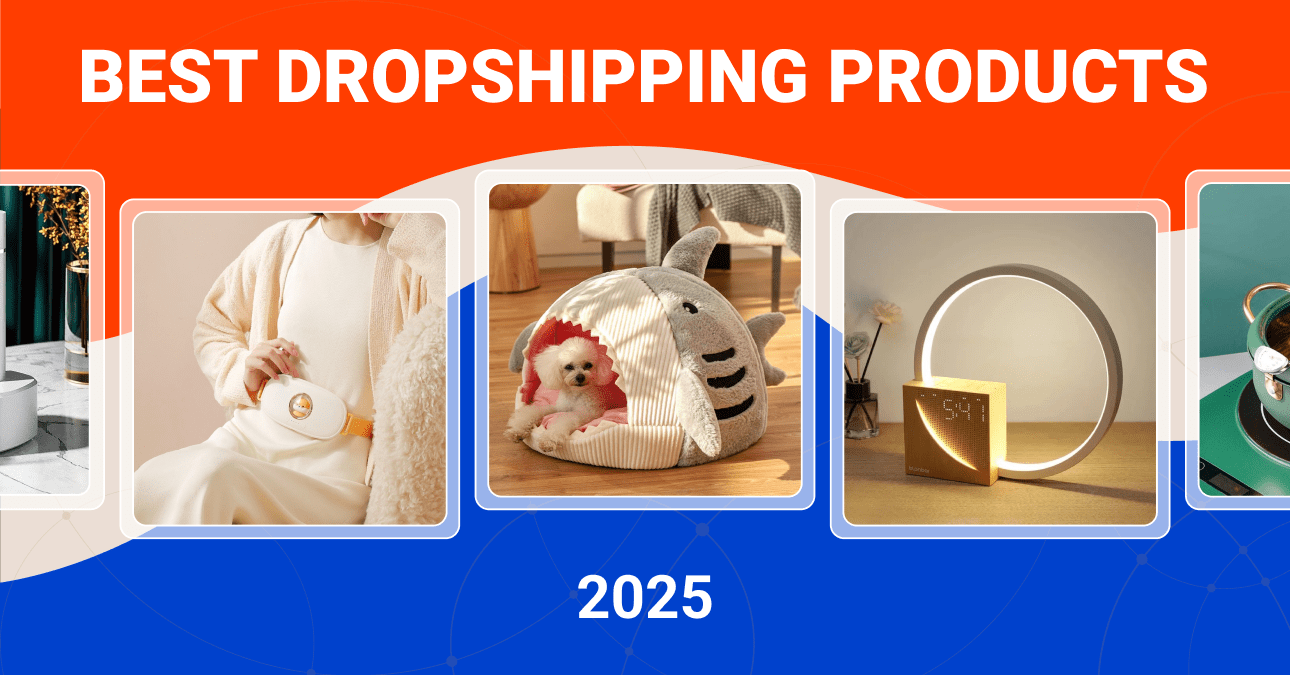
If you’re running a dropshipping business (or thinking of launching one) in 2025, the old rules still apply: find high-demand products, source reliable suppliers, and market smartly. But what does sell well right now? Which product categories are showing strong profits, consistent demand and opportunity for growth in the current e-commerce climate? In this article, we’ll explore the top product categories for dropshipping in 2025—with data, reasoning and practical tips—so you can decide where to place your bets with less risk. We’ll also cover what to look out for (pitfalls) and how to evaluate whether a niche is truly worth entering. 1. The Big Picture: Dropshipping Market Trends in 2025 Before diving into specific categories, let’s set the context with some market insights. The global dropshipping market is projected to reach around US$464.4 billion by 2025. Top overarching niches in e-commerce include Fashion (≈ US$802 billion), Beauty & Personal Care (≈ US$672 billion) and Home & Garden (≈ US$130 billion). Analysts note that products which are lightweight, solve a problem, are visually appealing (for social media), and can be shipped globally with low cost tend to perform best in dropshipping. Many “winning” product lists for 2025 emphasize eco-friendly items, pet supplies, home décor, gadgets, baby products—which gives signals about what consumers want now. Because of all that, when selecting product categories for 2025, you’ll want: Strong demand / growing demand Manageable competition or room for differentiation Shipping/logistics suitability (especially for dropshipping) Emotional or utilitarian appeal (so people buy, not just browse) Potential for decent margin (low cost, good perceived value) With that framework, let’s examine the most promising categories one by one. 2. Category #1: Pet Supplies & Accessories One […]

  When it comes to starting a dropshipping business, choosing the right platform is essential for your success. Two of the most popular platforms in the e-commerce world are Banggood and AliExpress. But how do they compare? Which one is better suited for your dropshipping needs? In this article, we’ll dive into the specifics of both platforms, comparing their services, shipping times, product quality, and aftersales support. By the end of this article, you’ll have a clearer idea of which platform best suits your business goals. Let’s get started!   What is Banggood? Banggood is a Chinese-based online retail platform founded in 2006, focusing on providing a wide variety of products, including electronics, home goods, fashion, toys, and sports equipment. With a global customer base and a strong presence in the e-commerce market, Banggood stands out as a solid option for dropshipping entrepreneurs. Platform Strategy and Services One of the key features that makes Banggood attractive to dropshipping businesses is its efficient supply chain management. Not only does it offer direct sales to customers, but it also caters to global sellers with a dropshipping program. Banggood provides features like customized packaging, faster shipping, and integration with multiple payment methods. Additionally, it offers tools specifically tailored for dropshippers, such as Banggood Dropshipping Center, where sellers can easily source products and manage their inventory. User Base and Shipping Times Banggood serves a diverse international customer base, with strong market penetration in Europe, North America, and other regions. Shipping times typically range from 7-20 days, depending on the destination, and the platform offers various shipping options to suit different needs. One standout feature is Banggood’s warehouse system, which includes warehouses in the US […]

You’ve likely heard of Dropshipping and Amazon FBA. Both are popular e-commerce models with their own pros and cons. But did you know Dropsure combines the strengths of both while fixing their common problems? In this article, we’ll dive into Dropsure and show how it offers a more flexible and efficient solution for sellers. What is DropSure? Dropsure isn’t just a basic logistics platform. It provides full support for e-commerce sellers, allowing you to scale your business without upfront inventory costs. You can easily manage your product supply chain, ship orders from 10 global warehouses, and offer fast delivery to customers. Essentially, Dropsure brings together the benefits of Amazon FBA and traditional dropshipping, while removing many of the challenges. How does DropSure work? Using Dropsure is simple, especially if you want to manage your brand while keeping logistics costs down. No need for pre-purchased inventory, so you won’t worry about unsold stock or high storage fees. With Dropsure, orders are quickly shipped from warehouses to customers worldwide. You also get custom branding options, so you can add your logo to packaging, boosting brand recognition. Our smart stocking solutions help you avoid common supply chain risks, ensuring products are shipped on time when customers need them. To help you better understand, check out the comparison chart below, which highlights the key differences between Dropsure, Amazon FBA, and traditional dropshipping. Feature Amazon FBA Dropshipping DropSure Upfront Investment ❌ High startup cost, inventory needed ✔ No upfront investment, pay as you go ✔ No upfront cost, inventory managed by suppliers Inventory Management ❌ Requires pre-purchased inventory ✔ No inventory needed, ship as you sell ✔ Suppliers handle inventory, ensuring fast delivery Order Fulfillment […]