








< Blogs

10 Ways to Find Best-Selling Dropshipping Products

Vivan Z.
Created on October 11, 2025 – Last updated on October 11, 20253 min read
Written by: Vivan Z.

Finding best selling products is crucial for the success of your dropshipping business, especially when you need to quickly capitalize on trends. Here are 10 effective methods to help you discover potential top-sellers:

1. Research Your Competitors

  • Check out competitors’ websites, social media profiles, and product pages on platforms like Amazon or eBay. Tools like SimilarWeb and SpyFu can help you understand where your competitors’ traffic comes from and what products are performing well.

2. Leverage AliExpress

  • AliExpressis one of the most popular dropshipping platforms, and it features a “Hot Products” section that showcases trending products. Pay attention to order volume, reviews, and ratings to gauge the popularity of products.

3. Monitor Social Media Trends

  • Keep an eye on Instagram, TikTok, and Facebook to see what products users are talking about or tagging in posts. Viral content, especially on TikTok’s ” TikTok Made Me Buy It “section, can highlight trending products that might be worth selling.

4. Google Trends Analysis
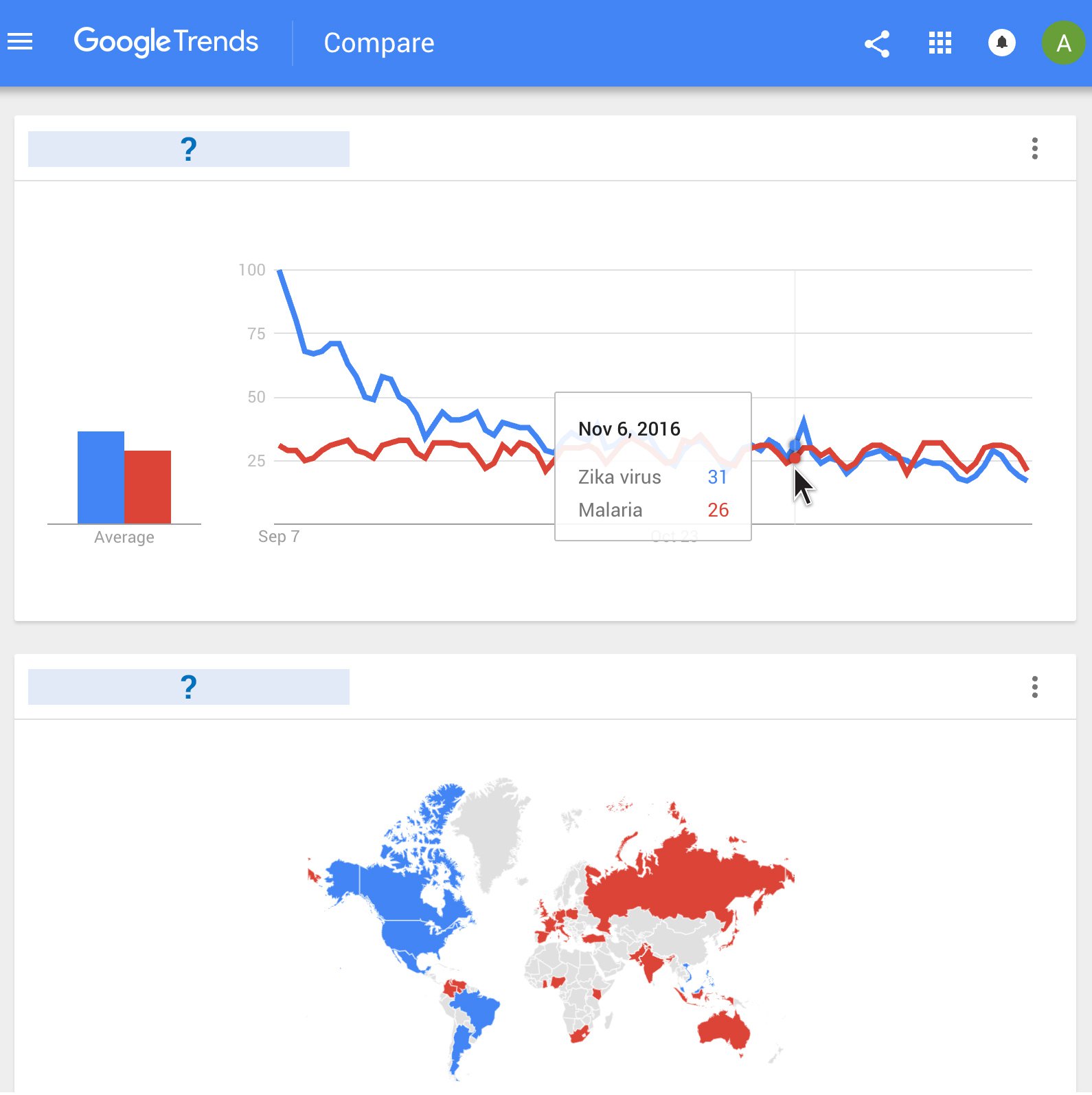
  • Use Google Trends to analyze the search volume and trends for specific products. This tool lets you track the popularity of keywords over time and can help you identify products with increasing demand.

5. Utilize Tools like NicheSpy & SaleHoo

  • Tools like NicheSpy and SaleHoo provide databases of trending dropshipping products. You can use these to filter for top-selling products in your niche and get detailed analytics about market demand.

6. Check eBay and Amazon Best Seller Lists
10 Ways to Find Best-Selling Dropshipping Products

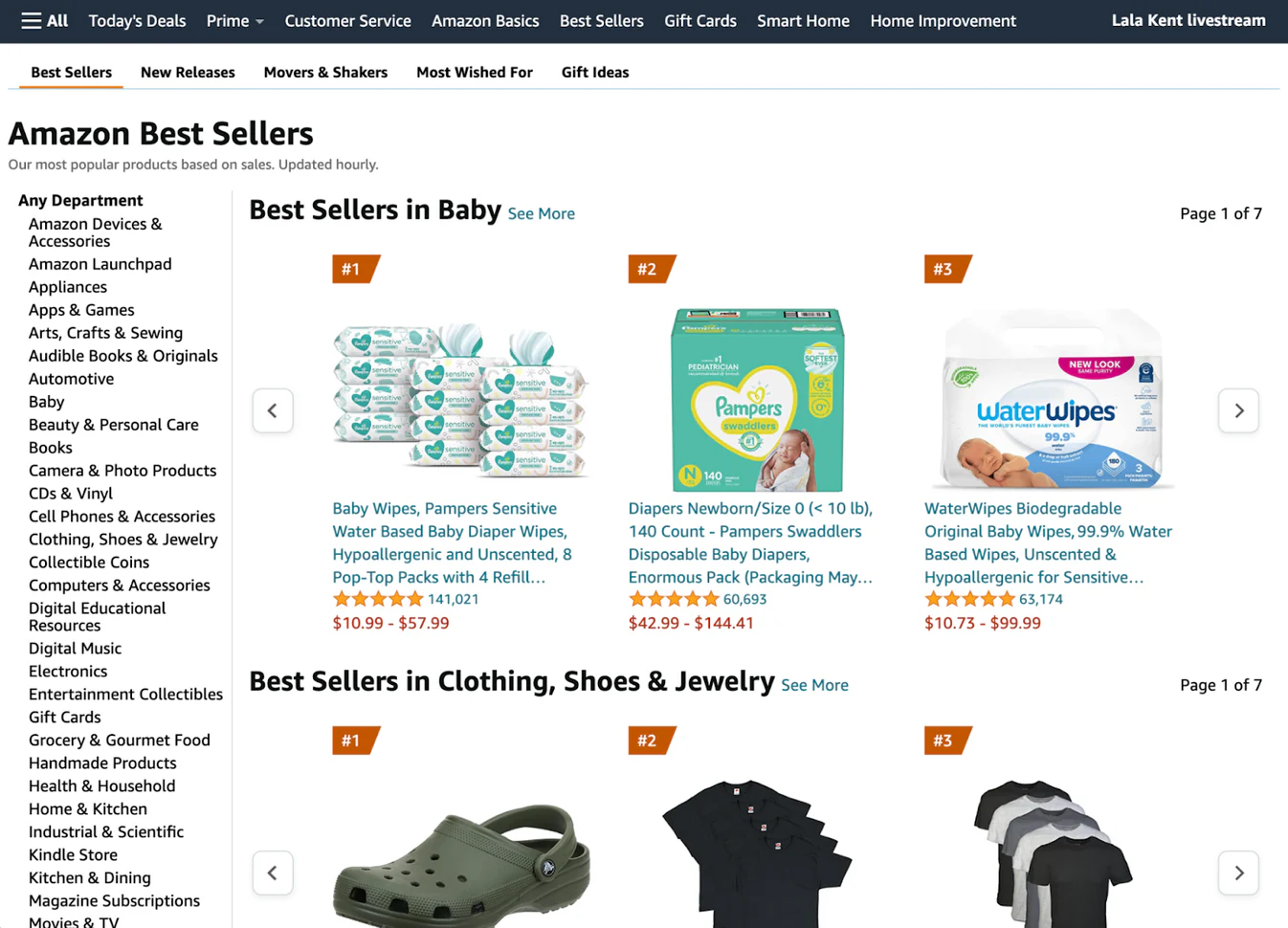
  • Browse the Amazon Best Sellerand eBay Top Rated lists to discover products that are currently in high demand. These lists often highlight products that are popular among buyers and reflect current market trends.

7. Explore Reddit and Quora Discussions

  • Platforms like Redditand Quora offer valuable insights into what products people are talking about. Check out trending discussions and customer recommendations to spot in-demand products.

8. Look at Customer Feedback and Reviews

  • Analyze product reviews and ratings on e-commerce websites like Amazon or AliExpress. Focus on products with high ratings and lots of positive feedback, as these are often the most well-received by consumers.

9. Monitor Your Competitors’ Ads

  • Use Facebook Ads & Google Ads Library to check out the ads that your competitors are running. If certain products are being heavily promoted, it could indicate a high level of interest and demand in the market.

10. Join Drop shipping Communities and Forums

  • Participate in dropshipping forums and Facebook groups to connect with other sellers and industry experts. These communities often share tips, insights, and product recommendations that can help you identify the next big trend.
Finding best selling products is crucial for the success of your dropshipping business, especially when you need to quickly capitalize on trends. Here are 10 effective methods to help you discover potential top-sellers: 1. Research Your Competitors Check out competitors’ websites, social media profiles, and product pages on platforms like Amazon or eBay. Tools like SimilarWeb and SpyFu can help you understand where your competitors’ traffic comes from and what products are performing well. 2. Leverage AliExpress AliExpress is one of the most popular dropshipping platforms, and it features a “Hot Products” section that showcases trending products. Pay attention to order volume, reviews, and ratings to gauge the popularity of products. 3. Monitor Social Media Trends Keep an eye on Instagram, TikTok, and Facebook to see what products users are talking about or tagging in posts. Viral content, especially on TikTok’s "TikTok Made Me Buy It" section, can highlight trending products that might be worth selling. 4. Google Trends Analysis Use Google Trends to analyze the search volume and trends for specific products. This tool lets you track the popularity of keywords over time and can help you identify products with increasing demand. 5. Utilize Tools like NicheSpy & SaleHoo Tools like NicheSpy and SaleHoo provide databases of trending dropshipping products. You can use these to filter for top-selling products in your niche and get detailed analytics about market demand. 6. Check eBay and Amazon Best Seller Lists Browse the Amazon Best Seller and eBay Top Rated lists to discover products that are currently in high demand. These lists often highlight products that are popular among buyers and reflect current market trends. 7. Explore Reddit and Quora Discussions Platforms like Reddit and Quora offer valuable insights into what products people are talking about. Check out trending discussions and customer recommendations to spot in-demand products. 8. Look at Customer Feedback and Reviews Analyze product reviews and ratings on e-commerce websites like Amazon or AliExpress. Focus on products with high ratings and lots of positive feedback, as these are often the most well-received by consumers. 9. Monitor Your Competitors' Ads Use Facebook Ads & Google Ads Library to check out the ads that your competitors are running. If certain products are being heavily promoted, it could indicate a high level of interest and demand in the market. 10. Join Drop shipping Communities and Forums Participate in dropshipping forums and Facebook groups to connect with other sellers and industry experts. These communities often share tips, insights, and product recommendations that can help you identify the next big trend. By combining these methods, you can not only identify the best-selling products but also stay ahead of future market trends. The key is to constantly monitor and adjust your product offerings to meet changing consumer demands. Let me know if you'd like any of these methods explained further or if you need help with a specific strategy!

By combining these methods, you can not only identify the best-selling products but also stay ahead of future market trends. The key is to constantly monitor and adjust your product offerings to meet changing consumer demands.

Let me know if you’d like any of these methods explained further or if you need help with a specific strategy!


DropSure is Your Best Partner
22 Years Experience
Affiliate Rebates
100% Quality Guarantee
Top-Up Rewards
10+ Global Warehouses
Custom Branding Support
Smart inventory System
24/7 Customer Support
Get a Quote in 24 Hours
Start Sourcing for Free

Keep Learning

Dropshipping has become popular in recent years. It has low entry barriers and does not require inventory. This makes it a great option for new sellers. However, expanding your business into international markets often brings complex tax policies that can be a headache. Without understanding these in advance, your profit margins may suffer, and you could even face compliance risks. Today, we will talk about tax issues for dropshipping sellers. We will focus on important markets like the U.S., EU, Australia, and Canada. United States: Sales Tax Varies by State   In the U.S., sales tax can be quite complicated since each state has its own regulations. In simple terms, if your dropshipping business creates an “economic nexus” in a state, you must collect sales tax. This happens when you meet a specific sales threshold in that state. Tax rates can be very different. For example, California has an average sales tax of 7.25%. In contrast, Oregon has no sales tax at all. It is important for dropshipping sellers to know where they have an economic nexus. They should also check the tax rates in those states. Sales tax rates in the U.S. can vary a lot. Some rates are close to 10%. However, some states do not collect sales tax at all. For dropshipping sellers, setting the right prices according to state tax rates is essential to ensure profitability. European Union: Uniform Rules for Value-Added Tax (VAT)     Compared to the U.S., the EU has a more unified tax policy. All sellers who sell goods within the EU must pay Value-Added Tax (VAT), regardless of their location. However, each country’s VAT rate varies, such as 19% in Germany […]

Starting a dropshipping business is exciting. It’s flexible, low-cost, and full of potential. But success depends on more than just setting up your store—it hinges on choosing the right products to sell. While some niches may look like easy wins, they often come with hidden challenges that can turn into headaches for beginners. To save you time, money, and frustration, here’s a detailed guide on  dropshipping niches to avoid in 2025. Avoid these pitfalls, and you’ll set yourself up for a smoother, more profitable journey. Watches: Not as Simple as They Seem The watch market is already highly saturated, with many well-known brands and sellers dominating the industry. As a new seller, it is difficult to stand out against established names like Casio, Fossil, or Apple Watch. Consumers are more likely to trust reputable brands over unfamiliar ones, making it challenging to gain their confidence. Watches, being precision instruments, typically contain intricate mechanical structures or electronic components that are highly sensitive to external shocks and vibrations. During transportation, even minor bumps or improper handling can cause internal parts to shift, surface scratches, or even a complete loss of functionality. This fragility makes watch logistics a high-risk aspect of the business. Furthermore, recurring issues with damaged products can severely impact a store’s reputation, leading to negative reviews and a decline in sales. Such problems can also make it harder to rebuild customer trust in the future. Clothing: The Return Problem Everyone wears clothes, so the clothing niche seems like a safe bet. But it’s one of the most challenging markets for beginners. The primary issue is sizing. People often order the wrong size or don’t like how the garment fits, leading […]

You’ve probably heard the saying: “Price = Cost × 2.” Sounds nice, doesn’t it?But anyone who’s done dropshipping knows — if you really follow that, you’ll basically end up eating dirt. This article will walk you through, step by step: where your profits actually go, and how to calculate a realistic pricing strategy to avoid the nightmare of “the more you sell, the more you lose.” The Cost Components of Dropshipping  Don’t fool yourself into thinking the cost is just what you pay on 1688, AliExpress, or Temu. The real cost = product price + shipping + fees + marketing expenses + returns/customer service + taxes + your own salary/profit expectations. Let’s break it down: Cost Item Example Data (Selling One T-shirt) Product Cost ¥20 (AliExpress cost) International Shipping ¥15 (ePacket or Yanwen small package) Platform Fees ¥5 (e.g., PayPal + Shopify transaction fees) Marketing Cost ¥30 (Facebook ad spend) Returns/After-sales Allocation ¥3 (average 1 return per 10 orders) Other Expenses ¥2 (Shopify subscription, domain, customer service, etc.) Total Cost ¥75 Note: This doesn’t include your profit expectations yet. How to Calculate Your “Bottom-Line Price”   Many people set prices on a whim: “The product cost is ¥30, so I’ll sell it for ¥60. That should be enough to make a profit.” But in dropshipping, this kind of pricing is basically suicidal. Your costs are much more than just the product price — you have shipping, advertising, platform fees, after-sales costs, and more. If you don’t calculate these clearly, you might think you’re making money on a sale, but in reality, you’re losing. So let’s get clear on a crucial concept — the bottom-line price. What is the bottom-line price?The […]