








 14 min read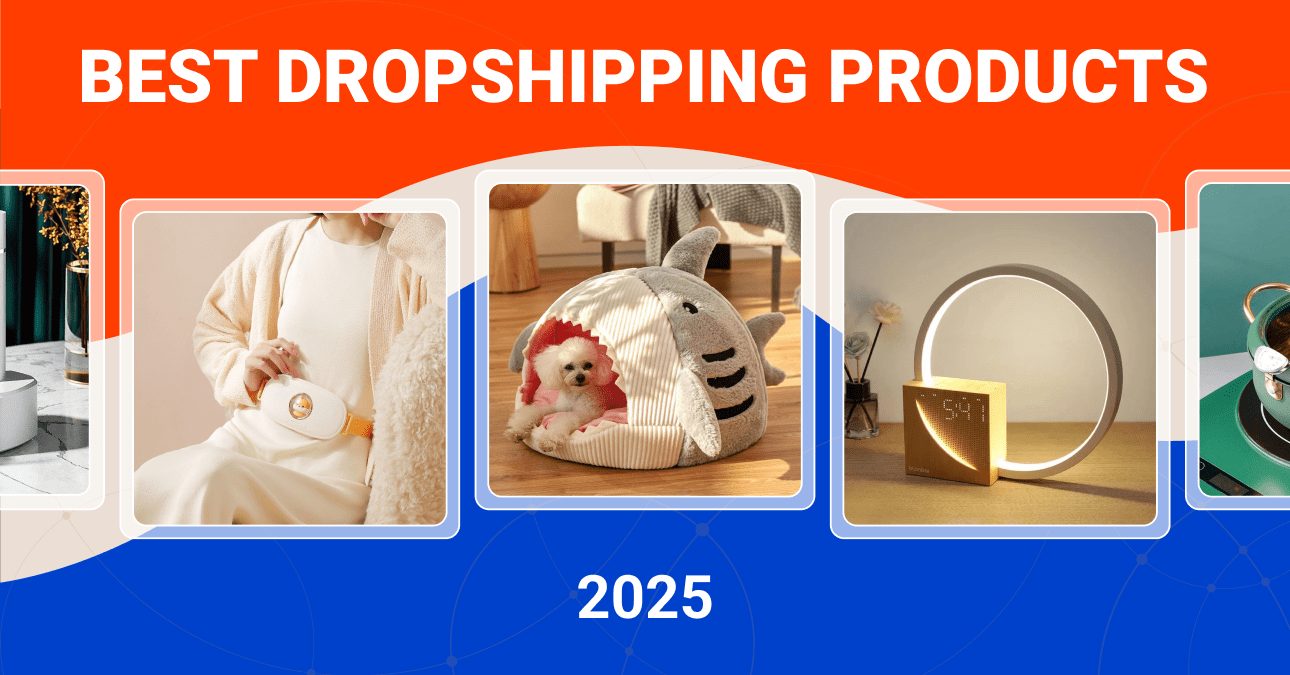
If you’re running a dropshipping business (or thinking of launching one) in 2025, the old rules still apply: find high-demand products, source reliable suppliers, and market smartly. But what does sell well right now? Which product categories are showing strong profits, consistent demand and opportunity for growth in the current e-commerce climate?
In this article, we’ll explore the top product categories for dropshipping in 2025—with data, reasoning and practical tips—so you can decide where to place your bets with less risk. We’ll also cover what to look out for (pitfalls) and how to evaluate whether a niche is truly worth entering.
1. The Big Picture: Dropshipping Market Trends in 2025
Before diving into specific categories, let’s set the context with some market insights.
-
The global dropshipping market is projected to reach around US$464.4 billion by 2025.
-
Top overarching niches in e-commerce include Fashion (≈ US$802 billion), Beauty & Personal Care (≈ US$672 billion) and Home & Garden (≈ US$130 billion).
-
Analysts note that products which are lightweight, solve a problem, are visually appealing (for social media), and can be shipped globally with low cost tend to perform best in dropshipping.
-
Many “winning” product lists for 2025 emphasize eco-friendly items, pet supplies, home décor, gadgets, baby products—which gives signals about what consumers want now.
Because of all that, when selecting product categories for 2025, you’ll want:
-
Strong demand / growing demand
-
Manageable competition or room for differentiation
-
Shipping/logistics suitability (especially for dropshipping)
-
Emotional or utilitarian appeal (so people buy, not just browse)
-
Potential for decent margin (low cost, good perceived value)
With that framework, let’s examine the most promising categories one by one.
2. Category #1: Pet Supplies & Accessories
One of the standout categories for 2025 is pet supplies. According to multiple sources, pet products are high on the list of profitable wins.
Why Pet Supplies?
-
Pet owners are emotionally invested: they treat pets like family, so they’re willing to spend.
-
Many supplies are compact and lightweight (toys, grooming accessories, treats), making shipping easier.
-
The niche is diverse: you can target dogs, cats, smaller pets, even aquarium/fish segments.
-
“Evergreen” demand: as long as people keep pets, accessories and upgrades will sell.
Examples of Strong Pet Supply Dropshipping Products
-
Interactive pet toys or puzzle feeders
-
Portable grooming tools or pet travel accessories
-
Health/treat items (though check regulation)
-
Pet fashion accessories (bandanas, collars, personalized items)
-
Aquarium or fish accessories (filtered for novelty)
Key Considerations
-
Ensure you partner with reliable suppliers (quality matters for pet safety).
-
Consider niche down: e.g., eco-friendly dog toys, or specific breed accessories, rather than “everything for pets”.
-
Check shipping packaging: pet items can often be bulky or awkward (e.g., beds) which may eat into margins.
-
Stay aware of regulatory issues (some pet health items may require compliance).
What To Do
Pick one sub-niche (dog travel gear, cat interactive toys, fish accessories) and test with a small range. Use visually compelling videos (pets + action) on social platforms. Build trust with reviews and clear product benefits (fun, health, comfort).
3. Category #2: Beauty, Personal Care & Self-Care Tools
Beauty and wellness continue to be strong drivers in e-commerce for 2025. According to trend analysis, this category is growing and holds high potential in dropshipping.
hy This Category Works
-
Self-care remains a major theme post-pandemic: consumers buying for skin, wellness, self-improvement.
-
Beauty tools and accessories often lend themselves well to social demonstration (TikTok, Instagram, etc.).
-
Many items are low-volume, high value (improves margin).
-
Personalized / “luxury for less” products are trending: think premium design, “Instagrammable” tools.
Product Ideas
-
Facial tools: silicone brushes, micro-needling rollers, unique bath accessories. For example: “a facial ice-bath bowl” trending in 2025.
-
Clean-ingredient skincare accessories or devices.
-
Wellness devices: sleep masks, LED light therapy, portable spa gear.
-
Beauty accessories: designer makeup tools, organizer cases, personalized items.
Key Considerations
-
Be careful with claims: if it suggests medical benefit or skincare treatment, there may be regulatory / warranty concerns.
-
Product quality is important: reviews matter a lot in beauty category.
-
Branding matters: packaging, aesthetic, design will influence trust and premium perception.
-
Demonstration content will matter: video showing results or use case will help significantly.
What To Do
Focus on 1–2 hero products with visual appeal. Create short video demos + before/after imagery. Build a brand story: what’s unique about your product. Leverage niche micro-influencers in skincare/beauty to generate social proof.
4. Category #3: Home & Garden / Décor & Furniture
Home improvement and décor have become increasingly attractive product categories, especially as people continue to invest in their living spaces. Sources indicate strong potential for 2025.
Why This Category is Profitable
-
With remote and hybrid work models, homeowners invest more in their interiors and comfort.
-
Décor items often carry good perceived value (so you can charge a mark-up).
-
Many items lend themselves to “upgrade your space” marketing narratives.
-
Social media & visual platforms (Pinterest, Instagram) favor home décor imagery—great for inspiration and impulse purchasing.
Product Ideas
-
Stylish furniture pieces (small side tables, accent chairs). For instance: a “round side table” was noted as trending.
-
Decorative lighting or smart lighting products (“smart outdoor lights” were listed among top items).
-
Home textiles: rugs, specialty pillows, blackout curtains (non-standard).
-
Garden/outdoor gear: solar-powered lights, patio accessories.
-
Storage & organization items (functional + aesthetic).
Key Considerations
-
Shipping and logistics: furniture & large décor can be bulky and costly to ship—look for suppliers with good shipping terms.
-
Returns and damage: décor items may be fragile—consider packaging and return policy carefully.
-
Trend vs evergreen: Décor is partly trend-driven, so consider the “shelf life” of style.
-
High ticket items = higher margin, but also higher risk (returns, shipping issues).
What To Do
Start with smaller décor items (side tables, lighting, rugs) before scaling to heavy furniture. Build content around “before & after” room transformations. Offer bundles (e.g., lamp + throw pillow) to increase average order value.
5. Category #4: Tech Accessories & Smart Gadgets
Consumers increasingly adopt tech accessories—not just smartphones but ever smaller and smarter everyday gadgets. This category continues to show strong demand for 2025.
Why This Category Works
-
Accessory upgrades are lower cost than full devices—easier for customers to purchase.
-
Tech gadget culture is strong on social media—“cool new device” footage spread easily.
-
Many accessories are lightweight, simple to ship internationally.
-
“Smart home” trend continues to grow (IoT, automation, convenience).
Product Ideas
-
Smartphone accessories: wireless chargers, power banks, screen protectors, customized cases.
-
Smart home devices: motion sensors, smart plugs, outdoor smart lighting.
-
Wearables/extensions: fitness trackers, health monitoring accessories.
-
Audio & video accessories: portable projectors, rings, mini speakers.
Key Considerations
-
Technical compliance: certain gadgets may require certification (in the US/EU) if wireless or smart powered.
-
Supplier reliability: tech gadgets have higher return/defect risk—choose good quality.
-
Pricing pressure: many small accessories become commoditized quickly — differentiate via branding or bundle value.
-
Warranty/returns: define clearly, and ensure suppliers support replacement policy.
What To Do
Choose a sub-niche such as “smart productivity accessories for home offices” or “travel tech gear for remote workers”. Provide demo videos. Consider bundling with printable instructions or usage tips to add value.
6. Category #5: Eco-Friendly & Sustainable Products
Sustainability is no longer a niche—it’s mainstream. Products that are eco-friendly, reusable, up-cycled or reduce waste are increasingly important—and profitable in dropshipping for 2025.
Why This Category Matters
-
Consumers are willing to pay a premium for sustainable/sustainable-branded goods.
-
Social media is filled with eco-challenges and awareness, which drives purchase decisions.
-
Many sustainable products are small, niche, and functional (e.g., reusable kitchen items, silicone bags, biodegradable cases).
Product Ideas
-
Reusable silicone food/storage bags.
-
Biodegradable phone cases, eco-friendly accessories.
-
Solar-powered chargers or lights.
-
Zero-waste beauty tools (bamboo brushes, refillable containers).
-
Eco-friendly pet accessories (natural materials).
Key Considerations
-
Authenticity matters: greenwashing (claiming sustainability without proof) can damage your brand.
-
Packaging: The unboxing must reflect your eco-message (minimal, recyclable packaging).
-
Margin vs cost: Sustainable materials sometimes cost more—ensure pricing supports profit.
-
Storytelling: A strong brand story can set you apart (why eco-matters, materials, etc.).
What To Do
Start with one or two hero products, emphasize the eco story in your marketing. Use influencers focused on sustainability. Offer “before & after” comparisons—how this product reduces waste vs typical alternatives.
7. Category #6: Health & Fitness Gear
The health and wellness revolution continues—people want products that support fitness, mobility, recovery, home workouts and self-care. Dropshipping in this niche is still very relevant in 2025.
Why This Works
-
Growing awareness of health, recovery, home fitness (post pandemic culture)
-
Many small gadgets and accessories fit the “problem-solver” model: e.g., posture correctors, resistance bands, massage tools
-
Visual and demo friendly: customers love seeing before/after, action shots
Product Ideas
-
Compact home fitness tools (resistance loops, foam rollers, grip strengtheners). For example: “finger grip strengthener” listed as trending in 2025.
-
Recovery tools: massage guns, percussion devices, therapy tools.
-
Wellness accessories: sleep trackers, compression sleeves, posture correctors.
-
Outdoor fitness gear: foldable accessories for travel/workouts.
Key Considerations
-
Claims and warranties: if you claim medical benefit, you may need compliance.
-
Quality matters: fitness gear needs to be safe and durable.
-
Shipping and weight: some equipment may be heavier—consider shipping costs.
-
Demonstration content is crucial: show usage and benefits clearly.
What To Do
Pick a micro-niche (e.g., “desk worker posture tools” or “travel workout accessories”). Produce video content showing use. Offer bundles (“fitness + recovery”). Highlight benefits like “less back pain”, “mobile workout”.
8. How to Choose the Right Category for Your Store
With so many promising categories, how do you pick the right one for your dropshipping venture?
8.1 Match Your Strengths and Interest
You’ll work on marketing and customer messaging—choose a category you can speak to with authenticity and interest. Your passion can help you differentiate.
8.2 Evaluate Supplier & Shipping Realities
-
Check supplier reliability (reviews, samples).
-
Estimate shipping cost, return logistics.
-
Choose items with manageable size/weight where possible.
8.3 Check Demand & Competition
-
Use Google Trends or niche tools to check demand.
-
Analyze competition: some categories may be saturated—look for sub-niche opportunities.
-
Consider margin potential: shipping, returns, cost of ads all eat into profit.
8.4 Think Brand & Differentiation
-
Generic “cheap widget” won’t win—think about branding, positioning, value add (bundles, content).
-
Consider trends: trending now helps, but truly sustainable demand (evergreen) is better.
-
For example, eco-friendly, pet, home décor—they combine trend + staying power.
8.5 Test Smartly
-
Launch one or two products first.
-
Track ad spend, conversion rates, returns.
-
Use small ad budget to test before scaling.
-
Look at customer feedback and adjust.
9. Avoiding Pitfalls in 2025
While the opportunities are strong, several pitfalls could kill your dropshipping business if you’re not careful.
❌ Common Mistakes
-
Entering oversaturated niches without differentiation.
-
Choosing large, heavy items without handling shipping/returns cost.
-
Ignoring product quality—leads to returns and negative reviews.
-
Failing to build a brand—competing only on price is risky.
-
Not accounting for shipping time/expectation—especially important in a global supply environment.
-
Overlooking legal/regulatory issues (especially in beauty, health, pet, or tech categories).
✅ Best Practices
-
Document your shipping & return policies clearly.
-
Order and inspect samples.
-
Offer compelling product descriptions + strong visuals.
-
Use social proof & influencer content.
-
Optimize using data: track cost per acquisition (CPA), conversion rate, return rate.
-
Focus on customer experience—fast shipping, clear tracking, customer service.
10. Summary & Action Plan
Let’s summarise the main takeaways, then propose a workable action plan for you.
? Summary
-
The dropshipping market in 2025 remains large and growing—but success depends heavily on choosing the right category and executing well.
-
Top categories to consider: Pet supplies, Beauty & personal care, Home & garden décor, Tech accessories & gadgets, Eco-friendly/sustainable products, Health & fitness gear.
-
Each category has unique advantages and trade-offs (shipping, competition, branding).
-
Selection depends on aligning with your strengths, supplier reliability, shipping/returns logistics, margin potential and brand differentiation.
-
Avoid the common mistakes: oversaturation, poor quality, ignoring customer experience, shipping issues and regulatory pitfalls.
? Action Plan (for you right now)
-
Choose one of the categories above that resonates with you and you can open to.
-
Identify 3–5 product ideas in that category (use tools like AutoDS, Minea, Google Trends).
-
Order sample(s) to test quality, shipping and packaging.
-
Build a simple store (Shopify, WooCommerce) with a narrow focus—craft your brand story.
-
Create demo content/ad creative—short video + lifestyle image + product benefit.
-
Run test ads (small budget) and track metrics: ad cost, conversion rate, average order value (AOV), return rate.
-
If one product shows promise (good ROI, positive feedback) scale up—add 2–3 related products in that niche.
-
Focus on customer retention: email list, upsells, subscription options if applicable.
-
Monitor trends / inventory / shipping issues continuously and be ready to pivot if needed.
Conclusion
Dropshipping in 2025 is far from saturated—there’s still real opportunity, especially if you choose your category wisely, execute with quality and branding, and manage logistics and customer experience.
By focusing on the six categories we’ve discussed—pet supplies, beauty & personal care tools, home & garden décor, tech accessories, eco-friendly products, health & fitness gear—you’ll place yourself in niches that combine demand, profit potential and room for differentiation.
But remember: a great product category is only the foundation. Your success will come from how well you market the product, build trust with customers, manage shipping & returns, and craft an experience that people love and tell others about.
If you follow the framework and action plan above, you’re well positioned to ride the 2025 wave of dropshipping success. Here’s to your store soaring—zero inventory, high profit, smart choices.