








< Blogs

How to Choose a Fulfillment Partner for Your E-Commerce Business

Vivan Z.
Created on October 31, 2025 – Last updated on October 31, 20253 min read
Written by: Vivan Z.

How to Choose a Fulfillment Partner for Your E-Commerce Business

Choosing the right fulfillment partner is crucial for your e-commerce success. A great partner streamlines operations, enhances customer satisfaction, and supports business growth. Here’s a quick guide to help you find the perfect match.

Why It’s Important
A fulfillment partner manages logistics like warehousing, shipping, and inventory management. Choosing the wrong partner can lead to delays and lost customers, while the right one drives efficiency, reduces costs, and enhances your customer experience.

1. Understand the Types of Logistics Service Providers

  • 1PL: Direct logistics management between manufacturer and customer, ideal for smaller businesses.
  • 2PL: Asset-based carriers (e.g., shipping companies) handling transportation.
  • 3PL: Outsources parts of the supply chain, offering warehousing, distribution, and services like inventory management.
  • 4PL: Manages the entire supply chain with strategic and IT support for comprehensive logistics.
  1. What to Look for in a Fulfillment Partner


  • Services and Capabilities
    Look for partners that offer value-added services like kitting, assembly, and custom branding (e.g., packaging and marketing inserts).


  • Communication
    Frequent and transparent communication is crucial. Ensure your partner provides regular updates on inventory and order statuses to keep things running smoothly.

 

  • Scalability and Flexibility
    Your fulfillment partner must adapt to demand fluctuations, especially during peak seasons, without sacrificing service quality.


  • Technology Integration
    Ensure your partner’s systems (WMS, OMS) integrate seamlessly with your platform, enabling smooth operations and real-time data sharing.


  • References
    Ask for case studies or references to evaluate the partner’s reliability and effectiveness.


  1. The Payoff: Unpacking the Benefits of the Perfect Fulfillment Match
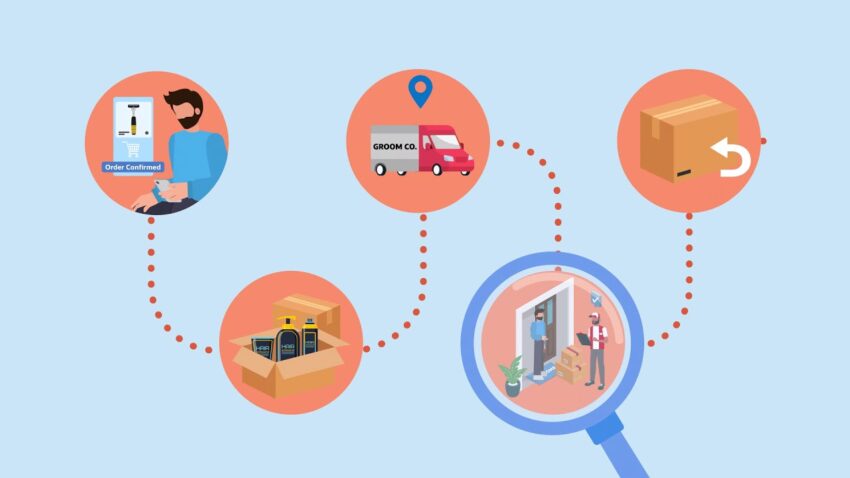
  • Cost Efficiency
    An ideal partner optimizes shipping costs, reduces transit times, and helps you cut shipping expenses while improving delivery times. This gives you a competitive edge.


  • Improved Operational Flexibility
    A reliable fulfillment partner can scale your operations as needed, ensuring you meet customer demand without compromising on service.


  • Enhanced Customer Satisfaction
    Timely and consistent deliveries build trust with customers and encourage repeat business.


  1. Access to Advanced Technology

The right fulfillment partner uses advanced technology to streamline operations:


  • Inventory Management Tools: Real-time tracking and accurate inventory management help avoid stockouts and overstocking.


  • Data Analytics: Insights that optimize your supply chain and reduce costs.


  • Automated Operations: Automation speeds up order processing and reduces errors.


  • Recommended Shipping Channels: Your partner can help identify the best shipping options based on cost, speed, and reliability.


  1. Risk Mitigation

An experienced fulfillment partner minimizes risks, including managing regulatory compliance, ensuring your business avoids legal complications.

  1. Market Expansion Opportunities

A partner with global reach helps expand your business internationally. With international logistics capabilities, your fulfillment partner supports your market growth beyond local borders.

Conclusion
Selecting the right fulfillment partner is essential for your business growth. At DropSure, we offer seamless logistics, advanced technology, and global reach to help your e-commerce business thrive. Ready to scale? Partner with DropSure today.
 

DropSure is Your Best Partner
22 Years Experience
Affiliate Rebates
100% Quality Guarantee
Top-Up Rewards
10+ Global Warehouses
Custom Branding Support
Smart inventory System
24/7 Customer Support
Get a Quote in 24 Hours
Start Sourcing for Free

Keep Learning

Hey there! Have you ever noticed that sometimes you post great content on Instagram, but it doesn’t get the engagement you were hoping for? Could it be that the timing was just off? That’s right! Timing is an important factor when it comes to Instagram success—it’s not just a coincidence. The right time to post can seriously boost your visibility and engagement, helping your post stand out in the crowded feed. So today, let’s talk about how to choose the best time to share your content and make sure you get those likes and comments! Understanding Instagram’s Algorithm Before we dive into the best times to post, it’s important to understand how Instagram’s algorithm works. Instagram doesn’t just show posts to everyone who follows you. Instead, it uses a combination of factors like content relevance, engagement, and post timing to decide who sees your post. The more likes, comments, and shares you get early on, the more likely Instagram is to push your post out to a larger audience. Timing matters because if you post when your followers are active, there’s a higher chance your content will get immediate engagement, which helps Instagram rank it higher in their feed. The more interaction your post gets, the better its visibility. Best Days and Times to Post on Instagram The best time and worst time to post on Instagram depends on your audience, but research from social media platforms like Sprout Social and Hootsuite offers these general insights: Sourced: Sprout Social Best Times: • Monday to Friday, 9 AM to 11 AM – Many people check Instagram during their morning breaks. • Late Afternoon, 5 PM to 7 PM – Engagement spikes […]

In today’s fiercely competitive market, advertising has become an indispensable part of every business. In recent years, the rapid development of digital media and shifts in consumer habits have made advertising both full of opportunities and challenges. To help you navigate these changes, this blog will introduce some practical advertising techniques that can promote your product to a wider audience and earn greater consumer recognition. Whether you’re a newcomer trying advertising for the first time or an experienced professional seeking new breakthroughs, we believe you’ll find valuable insights in the content here. Understand Your Target Audience Understanding your target audience is not just about knowing their basic information—it’s about delving into their lifestyles, interests, consumption habits, and psychological needs. In the following sections, we will explore detailed, step-by-step methods to achieve this goal, ensuring that your advertising strategy is precisely tailored to meet their needs. Collecting Basic Information  First, you can start with some basic data. You need to know your audience’s age, gender, occupation, education level, and income. This information can usually be gathered through surveys, social media data analysis, or third-party market reports. At the same time, understanding the geographic distribution of your audience is crucial, as it can help you develop more targeted regional advertising strategies. Analyzing Interests and Lifestyles  Once you have the basic information, you need to delve deeper into your audience’s interests and lifestyles. Consider what activities they enjoy—whether they are into travel, food, sports, or tech products. You can observe these interests through social media, forums, and offline events. Additionally, understanding their lifestyle and consumption habits can reveal the times of day they are most active online, which helps you choose the most […]

What is Dropshipping? Dropshipping is a way to sell products online without keeping any stock. When a customer buys something, you send their order and payment to the supplier, who ships the product directly to them. This method is popular because it reduces your workload. You don’t need to rent storage space or worry about unsold items. Instead, you can spend your time and money on things like marketing. How Does Dropshipping Work? Here’s how dropshipping works in simple steps: Find a Supplier: Look for a supplier who sells the products you want to offer. After you partner with them, they will handle storing, packing, and shipping. You can pick suppliers in your niche or use apps to access products from different suppliers. Set Up Your Online Store: Build your online store using platforms like Shopify or WooCommerce. Add products from your supplier and set your prices. Many apps can update your listings automatically and send orders to suppliers for you. Customer Places an Order: When a customer buys something from your store, the payment is processed, and they receive an order confirmation. Send the Order to Your Supplier: After the payment goes through, you pass the order details to your supplier. If you use an app, this happens automatically. Supplier Ships the Product: The supplier prepares the order and ships it to your customer. Some suppliers even offer branded invoices or special packaging. Customer Gets the Product: The customer receives their order. You handle any questions or issues they might have. Why Choose Free Dropshipping Suppliers in the USA? Choosing free dropshipping suppliers in the USA can save you money and make starting your business easier. Save Money: Free […]

Recommended for you

Error: cURL error 28: Operation timed out after 5001 milliseconds with 0 bytes received