


< Blogs

Amazon FBA vs. Dropshipping | What Are Their Differences?

admin
Created on October 18, 2024 – Last updated on February 6, 20254 min read
Written by: admin

Are you considering entering the world of eCommerce but unsure whether to choose Dropshipping or Amazon FBA? These are two of the most popular and successful fulfillment options available. The question is, which one is better suited for your business?
Amazon FBA vs. Dropshipping

In this article, we will break down the key differences between these two methods, comparing their pros and cons to help you make an informed decision. Whether you’re looking for low-risk startup solutions or more automation, this guide will provide valuable insights for growing your online business.

What is Dropshipping?
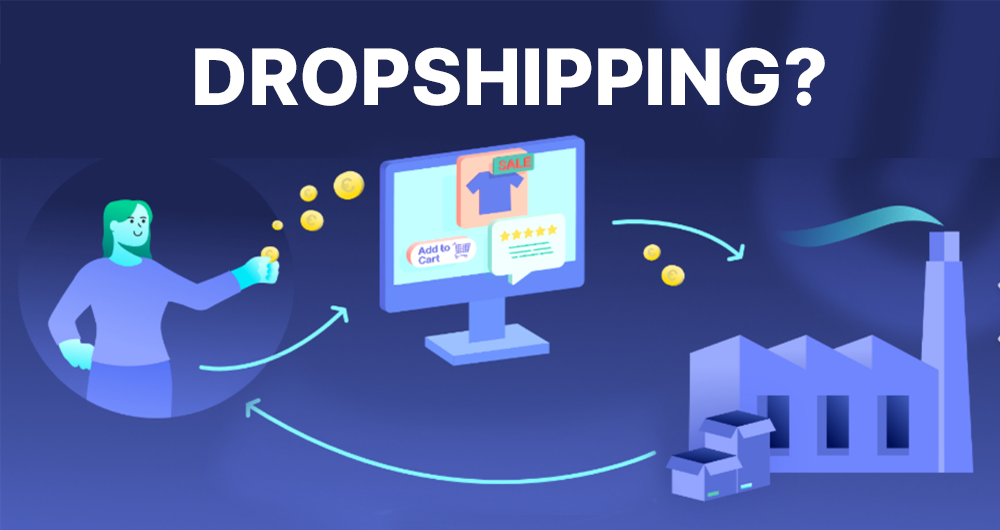
what is dropshipping

Dropshipping is a business model where you don’t hold any inventory. As a seller, you list products in your store, and when a customer places an order, the supplier ships the product directly to them. For those looking to start selling with minimal costs and lower risks, dropshipping is a great choice. You don’t need a warehouse or worry about logistics. You only pay after a sale is made. However, dropshipping requires careful management of suppliers and effective marketing to bring traffic to your store.

What is Amazon FBA?
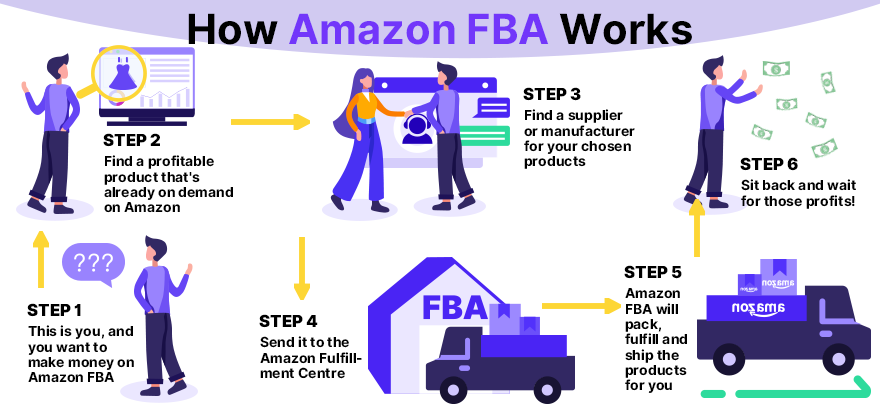
How Amazon FBA works

Amazon FBA (Fulfillment by Amazon) is a service that allows you to send your products to Amazon’s warehouse, and they handle storage, packing, and shipping when an order is placed. You won’t need to manage packaging or logistics, as Amazon will also take care of returns and customer service.  Commonly, you can say it is an automated dropshipping Amazon service.

FBA is ideal for sellers who want to leverage Amazon’s vast customer base and logistics network. Products become eligible for Amazon Prime shipping (Amazon Dropshipping), attracting more buyers. However, FBA requires upfront inventory investment and fees for storage, shipping, and fulfillment.

Dropshipping vs. Amazon FBA: Key Differences
dropsure vs. amazon fba

To make it easier for you to understand, We’ve prepared a comparison table that highlights the key differences and similarities between Dropshipping and Amazon FBA.

Here’s a table you can learn about Amazon FBA vs Dropshipping. We hope this will help you decide which option is better suited for your business.

Feature Amazon FBA Dropshipping
Upfront Investment ❌ High startup cost, inventory needed ✔ No upfront investment, pay as you go
Inventory Management ❌ Requires pre-purchased inventory ✔ No inventory needed, ship as you sell
Order Fulfillment ✔ Amazon handles fulfillment ❌ Manual handling, but can use automation
Advertising ✔ Built-in Amazon advertising ✔ Flexible, use any platform (e.g., Meta ads)
Profit Margins ✔ Discounts for bulk orders, but high fees ❌ Higher product costs but no fees
Customer Contact ❌ No direct contact with customers ✔ Full control over customer interaction
Customer Base ✔ Access to Amazon’s customer base ❌ Need to find your own customers
Control ❌ Limited control, Amazon handles everything ✔ Full control over your business
Scalability ❌ High costs to scale, limited flexibility ✔ Easy to scale, especially for new businesses
Risk ❌ High risk with inventory investment ✔ Low risk, no inventory holding

While both Dropshipping and Amazon FBA are effective ways to sell products online, they each have their own unique advantages and challenges.

Choosing between Dropshipping and Amazon FBA depends on your business goals. If you’re just starting out and want low-cost, low-risk options, Dropshipping is a flexible choice. It offers no upfront investment and more freedom to scale. If you have the budget and want to leverage Amazon’s strong infrastructure, Amazon FBA might be the better option. Both methods provide great opportunities for building a successful eCommerce business—so choose the one that best fits your needs.

If you prefer automation and don’t want to handle inventory, Dropsure could be your best choice. (Want to learn more about Dropsure’s platform and features? Please read What is Dropsure for more details.) It combines the flexibility of dropshipping with the automation benefits of FBA, offering a low-risk, no-inventory solution.
 

DropSure is Your Best Partner
22 Years Experience
Affiliate Rebates
100% Quality Guarantee
Top-Up Rewards
10+ Global Warehouses
Custom Branding Support
Smart inventory System
24/7 Customer Support
Get a Quote in 24 Hours
Start Sourcing for Free

Keep Learning

Is Amazon the Only Option? Think Again! When people think of online shopping, Amazon often comes to mind first. But did you know there are plenty of other e-commerce platforms that offer great alternatives—some with lower fees, niche markets, or better seller support? Whether you’re a seller looking for new opportunities or a shopper searching for unique products, exploring different platforms can open up exciting possibilities. Here are 15 e-commerce platforms that are giving Amazon a run for its money! Global E-commerce Platform  eBay Founded in 1995, eBay is one of the world’s earliest e-commerce platforms, headquartered in California, USA. Its core model is C2C and auction mechanism, allowing individuals or small businesses to trade second-hand goods, collectibles, niche goods, etc. through bidding or one-bite price. As of 2025, eBay covers more than 190 countries and regions, and users can conduct transactions through localized sites (e.g., eBay US, UK, etc.). The platform features long-tail goods (rare items, personalized goods) and flexible pricing. Core differences between eBay and Amazon  1. Business models and types of sellers ● eBay: Started as an auction model and later expanded to fixed-price sales, focusing on C2C and small B2C. Sellers are mostly individuals or small and medium-sized merchants, and their products are mainly second-hand, collectibles, and non-standard products. ● Amazon: B2C self-operated (Amazon Retail) and third-party merchants, focusing on standardized products and new products. The proportion of large brand names is higher, and the product categories are concentrated in standardized products such as electronic products, daily necessities and books. 2. Fee structure and logistics ● eBay: Fees include listing fees (product listing fees) and transaction fees (about 10-15% commission), no warehousing fees. No warehousing fees. […]

When you start a dropshipping business, you might wonder if you need a mentor to help you succeed. There are many resources available, from personal mentors to mentor apps, and the choices can feel overwhelming. This article will explore what a dropshipping mentor is, whether you really need one, and if apps can offer similar support to help grow your business. What is a dropshipping mentor? A dropshipping mentor is an experienced person in the dropshipping industry who has run a successful dropshipping business. They provide guidance, share their experiences, and help you avoid common pitfalls in the entrepreneurial journey. Many dropshipping mentors are not just successful entrepreneurs; they also teach, write books, or offer courses to help others succeed. The role of a dropshipping mentor usually includes: ● Helping you choose the right products ● Offering advice on selecting suppliers ● Managing customer service ● Providing marketing and business growth strategies ● Identifying market trends and potential risks While many dropshipping resources are personal stories from successful entrepreneurs, a true mentor offers personalized advice and guidance based on your goals and challenges. Do I really need a dropshipping mentor? The short answer is: Yes, a dropshipping mentor can be very valuable, but it’s not the only path to success. Starting a dropshipping business without a mentor can be challenging. You might struggle with choosing the right products, understanding market demand, or managing your store. An experienced mentor can offer useful advice, give feedback on your business strategies, and help you avoid unnecessary losses. However, mentors are not the only way to succeed. While they provide valuable insights, your success ultimately depends on your own efforts. It’s also important to […]

A while ago, my mom suddenly asked me, “Can you make one of those websites where you sell stuff online?”I replied, “Do you mean like Taobao or Pinduoduo? Or the kind where you don’t keep inventory?”She said, “The kind without inventory—I don’t have space to store stuff.” Alright, that made things clear: she wanted to do dropshipping. So, I slapped my thigh and decided to help her set up her own independent store—not a little shop on Pinduoduo or Amazon, but a website she could truly call her own. Step 1: Define the Product Category Before diving into product selection, I did a simple yet practical market research with her to make sure we weren’t blindly listing products but making decisions based on data and trends. We mainly referred to the following platforms and dimensions: Google Trends  This was the first tool we checked to confirm the popularity trends of a product category globally or within our target market. We didn’t just look at recent trend curves but also pulled data from the past five years to see whether the category was a seasonal spike or a stable, long-term growth niche. For example, some holiday-related products peak once a year but miss the timing and fail completely; while categories like fitness or pet supplies have steady trends and are better for long-term operation. TikTok & Instagram These two platforms helped us capture real-time consumer interests and hot topics. On TikTok, we focused on viral videos’ likes, genuine feedback in the comments, and influencer recommendations on how to use the product. Instagram was more lifestyle-oriented; we searched keywords to see what people were sharing and recommending, and also got a glimpse […]