< Blogs

Amazon FBA vs. Dropshipping | What Are Their Differences?

admin
Created on October 18, 2024 – Last updated on February 6, 20254 min read
Written by: admin

Are you considering entering the world of eCommerce but unsure whether to choose Dropshipping or Amazon FBA? These are two of the most popular and successful fulfillment options available. The question is, which one is better suited for your business?
Amazon FBA vs. Dropshipping

In this article, we will break down the key differences between these two methods, comparing their pros and cons to help you make an informed decision. Whether you’re looking for low-risk startup solutions or more automation, this guide will provide valuable insights for growing your online business.

What is Dropshipping?
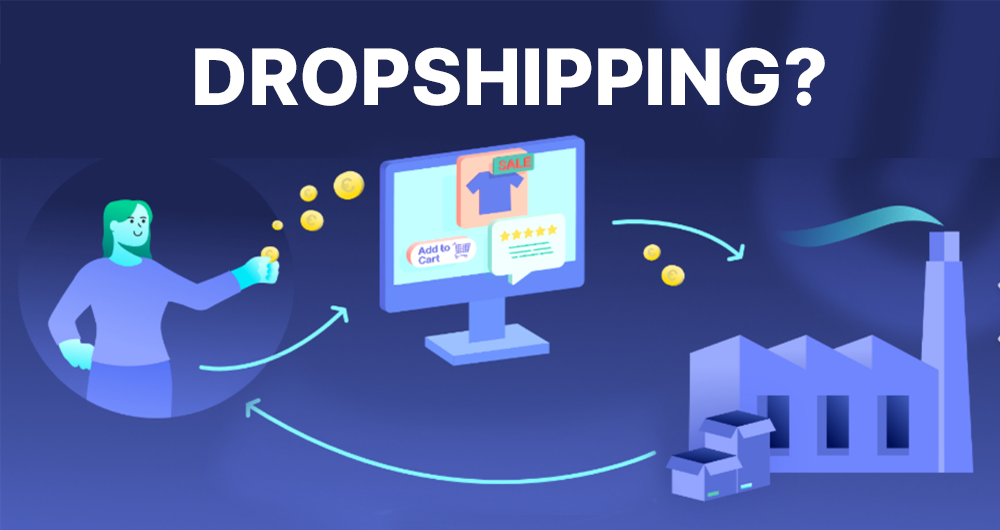
what is dropshipping

Dropshipping is a business model where you don’t hold any inventory. As a seller, you list products in your store, and when a customer places an order, the supplier ships the product directly to them. For those looking to start selling with minimal costs and lower risks, dropshipping is a great choice. You don’t need a warehouse or worry about logistics. You only pay after a sale is made. However, dropshipping requires careful management of suppliers and effective marketing to bring traffic to your store.

What is Amazon FBA?
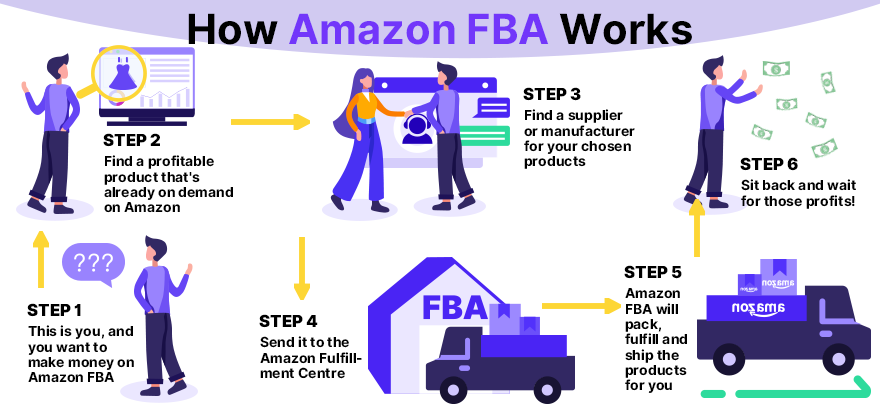
How Amazon FBA works

Amazon FBA (Fulfillment by Amazon) is a service that allows you to send your products to Amazon’s warehouse, and they handle storage, packing, and shipping when an order is placed. You won’t need to manage packaging or logistics, as Amazon will also take care of returns and customer service.  Commonly, you can say it is an automated dropshipping Amazon service.

FBA is ideal for sellers who want to leverage Amazon’s vast customer base and logistics network. Products become eligible for Amazon Prime shipping (Amazon Dropshipping), attracting more buyers. However, FBA requires upfront inventory investment and fees for storage, shipping, and fulfillment.

Dropshipping vs. Amazon FBA: Key Differences
dropsure vs. amazon fba

To make it easier for you to understand, We’ve prepared a comparison table that highlights the key differences and similarities between Dropshipping and Amazon FBA.

Here’s a table you can learn about Amazon FBA vs Dropshipping. We hope this will help you decide which option is better suited for your business.

Feature Amazon FBA Dropshipping
Upfront Investment ❌ High startup cost, inventory needed ✔ No upfront investment, pay as you go
Inventory Management ❌ Requires pre-purchased inventory ✔ No inventory needed, ship as you sell
Order Fulfillment ✔ Amazon handles fulfillment ❌ Manual handling, but can use automation
Advertising ✔ Built-in Amazon advertising ✔ Flexible, use any platform (e.g., Meta ads)
Profit Margins ✔ Discounts for bulk orders, but high fees ❌ Higher product costs but no fees
Customer Contact ❌ No direct contact with customers ✔ Full control over customer interaction
Customer Base ✔ Access to Amazon’s customer base ❌ Need to find your own customers
Control ❌ Limited control, Amazon handles everything ✔ Full control over your business
Scalability ❌ High costs to scale, limited flexibility ✔ Easy to scale, especially for new businesses
Risk ❌ High risk with inventory investment ✔ Low risk, no inventory holding

While both Dropshipping and Amazon FBA are effective ways to sell products online, they each have their own unique advantages and challenges.

Choosing between Dropshipping and Amazon FBA depends on your business goals. If you’re just starting out and want low-cost, low-risk options, Dropshipping is a flexible choice. It offers no upfront investment and more freedom to scale. If you have the budget and want to leverage Amazon’s strong infrastructure, Amazon FBA might be the better option. Both methods provide great opportunities for building a successful eCommerce business—so choose the one that best fits your needs.

If you prefer automation and don’t want to handle inventory, Dropsure could be your best choice. (Want to learn more about Dropsure’s platform and features? Please read What is Dropsure for more details.) It combines the flexibility of dropshipping with the automation benefits of FBA, offering a low-risk, no-inventory solution.


DropSure is Your Best Partner
22 Years Experience
Affiliate Rebates
100% Quality Guarantee
Top-Up Rewards
10+ Global Warehouses
Custom Branding Support
Smart inventory System
24/7 Customer Support
Get a Quote in 24 Hours
Start Sourcing for Free

Keep Learning

You’ve probably heard the saying: “Price = Cost × 2.” Sounds nice, doesn’t it?But anyone who’s done dropshipping knows — if you really follow that, you’ll basically end up eating dirt. This article will walk you through, step by step: where your profits actually go, and how to calculate a realistic pricing strategy to avoid the nightmare of “the more you sell, the more you lose.” The Cost Components of Dropshipping  Don’t fool yourself into thinking the cost is just what you pay on 1688, AliExpress, or Temu. The real cost = product price + shipping + fees + marketing expenses + returns/customer service + taxes + your own salary/profit expectations. Let’s break it down: Cost Item Example Data (Selling One T-shirt) Product Cost ¥20 (AliExpress cost) International Shipping ¥15 (ePacket or Yanwen small package) Platform Fees ¥5 (e.g., PayPal + Shopify transaction fees) Marketing Cost ¥30 (Facebook ad spend) Returns/After-sales Allocation ¥3 (average 1 return per 10 orders) Other Expenses ¥2 (Shopify subscription, domain, customer service, etc.) Total Cost ¥75 Note: This doesn’t include your profit expectations yet. How to Calculate Your “Bottom-Line Price”   Many people set prices on a whim: “The product cost is ¥30, so I’ll sell it for ¥60. That should be enough to make a profit.” But in dropshipping, this kind of pricing is basically suicidal. Your costs are much more than just the product price — you have shipping, advertising, platform fees, after-sales costs, and more. If you don’t calculate these clearly, you might think you’re making money on a sale, but in reality, you’re losing. So let’s get clear on a crucial concept — the bottom-line price. What is the bottom-line price?The […]

In today’s global e-commerce landscape, dropshipping has become one of the easiest ways to launch a business. You don’t need inventory, you don’t need a warehouse, and you don’t need a big team. What you do need, however, is a reliable and scalable platform — the foundation that powers your online store. Three of the most debated choices among dropshippers are: Shopify WooCommerce Custom-built independent websites (self-coded or agency-developed) Each option has its own strengths, weaknesses, and hidden costs. Picking the right one can determine whether your dropshipping venture grows smoothly… or becomes a constant struggle filled with technical problems, rising expenses, and slow scalability. This in-depth 4,000-word guide breaks down everything you need to know — features, performance, costs, flexibility, security, ease of use, and real-world suitability — so you can choose the platform that truly fits your business goals. 1. Why Your Platform Choice Matters More Than You Think A dropshipping business does not control production or inventory. That means your website becomes your most important asset, responsible for: Converting visitors into buyers Generating trust Processing payments securely Communicating with customers Providing a smooth shopping experience across devices Handling spikes in traffic during ads or holidays Integrating with suppliers, apps, and fulfillment tools Allowing you to optimize SEO, speed, and checkout flow The wrong platform can lead to: Slow page speeds → high bounce rate Payment failures → lost orders Plugin conflicts → site crashes Security vulnerabilities → stolen customer data Lack of flexibility → inability to build your brand Increasing monthly fees → lower profit Difficult backend → wasted time The right platform, however, allows you to: Scale quickly Convert more customers Launch new products faster Manage […]

Have you started your dropshipping business yet? Or are you still stuck trying to decide which platform is the best fit for you? Don’t worry—choosing a supplier and fulfillment platform is kind of like finding your perfect match. Get it right, and everything runs smoothly. Get it wrong? You might find yourself wishing for a “return policy.” Here’s the good news: there are plenty of excellent dropshipping platforms out there, like DropSure and CJdropshipping. Each has its strengths, but figuring out which one is your perfect match takes a little comparison (don’t worry, we’ve done the heavy lifting for you). In this post, we’ll break things down by price, platform integration, product selection, order processing, shipping speed, customer support, and overall user experience. Whether you’re just starting out or you’re a seasoned pro, by the end of this, you’ll know exactly which platform deserves your business. Ready? Let’s dive in! What is DropSure? DropSure is your all-in-one solution. It is tailored for busy e-commerce sellers like you. Tired of stressing over inventory? Losing sleep over shipping delays? Or maybe you’re struggling to find reliable suppliers? Don’t worry—DropSure can meet all your needs! From product sourcing to order fulfillment to logistics, we handle everything so you can focus on what you do best: making money. With 22 years of industry expertise under our belt, DropSure know what it takes to make your business thrive. Backed by a team of 200+ professionals and 7 placed warehouses (in China, the U.S., Germany, and more), we ensure your orders reach customers at lightning speed. Oh, and product catalog? It’s massive—over 1 million high-quality items to choose from, so you’re bound to find your next […]