








< Blogs

Amazon FBA vs. Dropshipping | What Are Their Differences?

admin
Created on October 18, 2024 – Last updated on February 6, 20254 min read
Written by: admin

Are you considering entering the world of eCommerce but unsure whether to choose Dropshipping or Amazon FBA? These are two of the most popular and successful fulfillment options available. The question is, which one is better suited for your business?
Amazon FBA vs. Dropshipping

In this article, we will break down the key differences between these two methods, comparing their pros and cons to help you make an informed decision. Whether you’re looking for low-risk startup solutions or more automation, this guide will provide valuable insights for growing your online business.

What is Dropshipping?
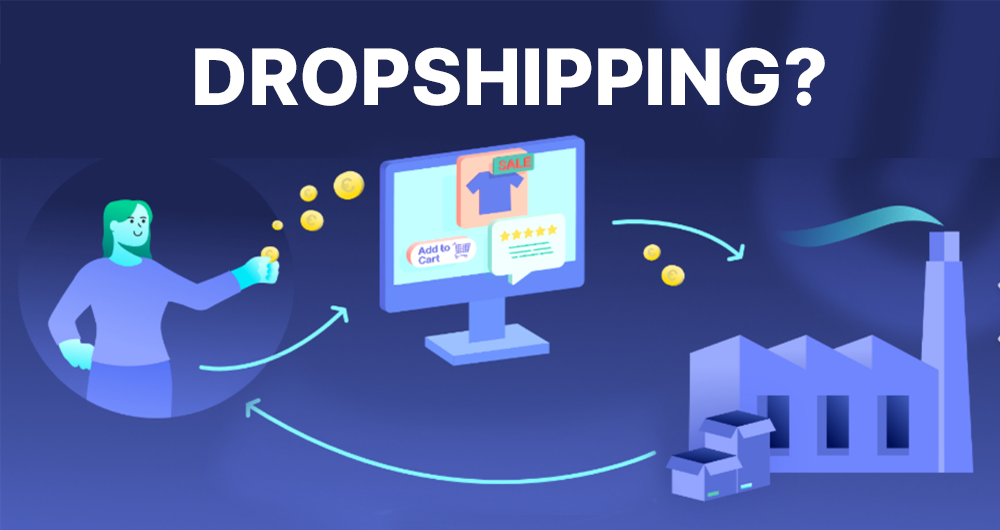
what is dropshipping

Dropshipping is a business model where you don’t hold any inventory. As a seller, you list products in your store, and when a customer places an order, the supplier ships the product directly to them. For those looking to start selling with minimal costs and lower risks, dropshipping is a great choice. You don’t need a warehouse or worry about logistics. You only pay after a sale is made. However, dropshipping requires careful management of suppliers and effective marketing to bring traffic to your store.

What is Amazon FBA?
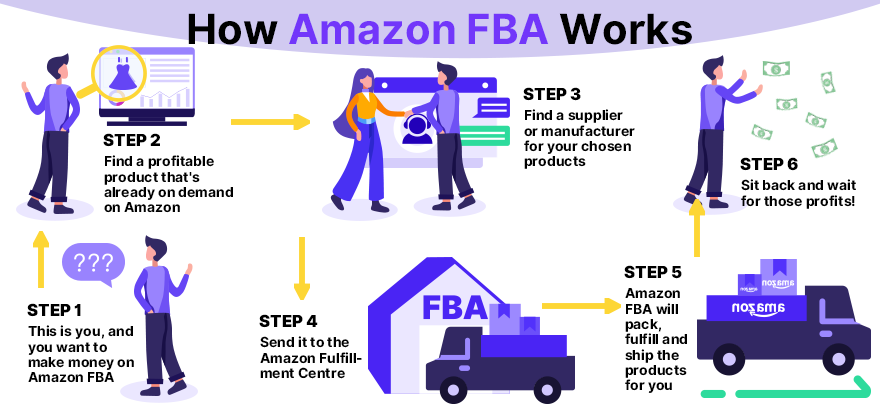
How Amazon FBA works

Amazon FBA (Fulfillment by Amazon) is a service that allows you to send your products to Amazon’s warehouse, and they handle storage, packing, and shipping when an order is placed. You won’t need to manage packaging or logistics, as Amazon will also take care of returns and customer service.  Commonly, you can say it is an automated dropshipping Amazon service.

FBA is ideal for sellers who want to leverage Amazon’s vast customer base and logistics network. Products become eligible for Amazon Prime shipping (Amazon Dropshipping), attracting more buyers. However, FBA requires upfront inventory investment and fees for storage, shipping, and fulfillment.

Dropshipping vs. Amazon FBA: Key Differences
dropsure vs. amazon fba

To make it easier for you to understand, We’ve prepared a comparison table that highlights the key differences and similarities between Dropshipping and Amazon FBA.

Here’s a table you can learn about Amazon FBA vs Dropshipping. We hope this will help you decide which option is better suited for your business.

Feature Amazon FBA Dropshipping
Upfront Investment ❌ High startup cost, inventory needed ✔ No upfront investment, pay as you go
Inventory Management ❌ Requires pre-purchased inventory ✔ No inventory needed, ship as you sell
Order Fulfillment ✔ Amazon handles fulfillment ❌ Manual handling, but can use automation
Advertising ✔ Built-in Amazon advertising ✔ Flexible, use any platform (e.g., Meta ads)
Profit Margins ✔ Discounts for bulk orders, but high fees ❌ Higher product costs but no fees
Customer Contact ❌ No direct contact with customers ✔ Full control over customer interaction
Customer Base ✔ Access to Amazon’s customer base ❌ Need to find your own customers
Control ❌ Limited control, Amazon handles everything ✔ Full control over your business
Scalability ❌ High costs to scale, limited flexibility ✔ Easy to scale, especially for new businesses
Risk ❌ High risk with inventory investment ✔ Low risk, no inventory holding

While both Dropshipping and Amazon FBA are effective ways to sell products online, they each have their own unique advantages and challenges.

Choosing between Dropshipping and Amazon FBA depends on your business goals. If you’re just starting out and want low-cost, low-risk options, Dropshipping is a flexible choice. It offers no upfront investment and more freedom to scale. If you have the budget and want to leverage Amazon’s strong infrastructure, Amazon FBA might be the better option. Both methods provide great opportunities for building a successful eCommerce business—so choose the one that best fits your needs.

If you prefer automation and don’t want to handle inventory, Dropsure could be your best choice. (Want to learn more about Dropsure’s platform and features? Please read What is Dropsure for more details.) It combines the flexibility of dropshipping with the automation benefits of FBA, offering a low-risk, no-inventory solution.
 

DropSure is Your Best Partner
22 Years Experience
Affiliate Rebates
100% Quality Guarantee
Top-Up Rewards
10+ Global Warehouses
Custom Branding Support
Smart inventory System
24/7 Customer Support
Get a Quote in 24 Hours
Start Sourcing for Free

Keep Learning

What is Private Label Dropshipping? Private label dropshipping is a business model where you sell products manufactured by a third party but branded with your own logo and packaging. Unlike traditional dropshipping, where you sell generic items from suppliers, private labeling allows you to create a unique brand identity and stand out in the market. ​Embarking on a private label dropshipping venture offers a multitude of advantages that can significantly enhance your business’s success. Let’s delve into these benefits:​ 1. Brand Ownership By engaging in private label dropshipping, you’re not merely reselling generic products; you’re cultivating a distinctive brand that resonates with your target audience. This approach allows you to:​ Establish a Unique Identity: Crafting a brand with personalized logos, packaging, and messaging sets your products apart in a crowded marketplace.​ Build a Loyal Customer Base: A strong brand fosters trust and recognition, encouraging repeat purchases and long-term customer relationships.​ This level of ownership transforms your business from a simple storefront into a recognized entity with its own story and values.​ 2. Higher Profit Margins Branded products often command premium pricing compared to generic counterparts. With private label dropshipping:​AutoDS+1Shopify+1 Increased Perceived Value: Custom branding elevates the perceived quality and exclusivity of your products, justifying higher price points.​ Enhanced Profitability: The ability to set your own prices, free from direct competition on identical items, allows for healthier profit margins.​ This financial flexibility enables reinvestment into marketing, product development, and other growth strategies.​ 3. Competitive Advantage In a saturated market, differentiation is key. Private label dropshipping provides:​ Product Customization: Tailoring products to meet specific customer needs or preferences gives you an edge over sellers offering standard items.​ Market Distinction: A unique brand […]

“I felt like I was constantly apologizing to customers,” Emma recalls. “Not because our products were bad, but because fulfillment kept failing us.” Background Emma is a Shopify seller from the UK who started her online business selling home and lifestyle products in early 2024. Like many new dropshippers, she was excited about the potential — but quickly discovered how tough it could be to maintain stable fulfillment, manage inventory, and keep customers happy.   “I had great products and a clean website, but my logistics were a mess. Delays, missing packages, and no tracking visibility — I was losing customers fast.” Challenges Before joining DropSure, Emma faced three main problems:   Unstable fulfillment— Her previous suppliers often ran out of stock or shipped late. Manual operations — She had to manage orders and inventory across multiple spreadsheets. Customer complaints — Tracking information was inconsistent, leading to refund requests and poor reviews.   These issues limited her ability to grow — even her best-selling products couldn’t scale without reliable fulfillment support. DropSure’s Solution After connecting her Shopify store to DropSure, Emma immediately noticed a smoother workflow:   Automated Order Sync Every order from her store synced directly to DropSure, eliminating manual errors and saving hours of daily work.   Smart Inventory & Fulfillment System Real-time stock updates and automatic routing to the nearest warehouse improved fulfillment speed by 40%.   Transparent Tracking & Communication Customers could now receive accurate tracking updates, reducing “Where’s my order?” messages by 70%.   “DropSure basically became my backend team. I could focus on marketing and content while they handled the operations seamlessly.” The Results Within three months of using DropSure:   Emma’s average weekly […]

  The dropshipping business model has exploded in popularity over the last decade — promising low startup costs, minimal inventory risk, and the flexibility to run an online store from anywhere in the world. But while it’s easier than ever to start, making consistent profit remains the real challenge. Many beginners underestimate the true costs involved, misprice their products, or fail to account for hidden expenses that quietly eat away at margins. This in-depth guide will break down how dropshipping profits actually work, explain how to calculate your real costs, and show you exactly how to price your products to achieve sustainable, predictable profits. 1. The Reality of Dropshipping Profit Margins Let’s start with some truth:Dropshipping is not a get-rich-quick scheme. Yes, it eliminates the need to stock inventory or handle shipping, but it also comes with thin margins — especially in competitive niches. The typical profit margin for dropshippers ranges between 10% and 30%, depending on the niche, product quality, and marketing strategy. Here’s a quick look at the average profit structure: Category Typical Profit Margin Competition Level Tech Accessories 10–20% Very High Fitness Products 20–35% Medium–High Home & Decor 25–40% Moderate Beauty & Skincare 30–50% Medium Pet Supplies 25–45% Medium Niche/Custom Products 40–60% Low–Moderate These numbers vary widely, but one truth stands out:Without a solid pricing and profit analysis, even a successful product can turn into a financial loss. 2. Understanding the Dropshipping Cost Structure Before setting prices, you must understand every cost that impacts your final profit. Let’s break them down. 2.1 Product Cost This is what you pay your supplier (on AliExpress, Alibaba, CJ Dropshipping, etc.) for each item. For example: Product cost: $15 per unit […]