< Blogs

Dropshipping from China – Complete Guide

Vivan Z.
Created on November 13, 2024 – Last updated on February 6, 20255 min read
Written by: Vivan Z.

In China, dropshipping has become a significant trend in the e-commerce industry. According to statistics, in 2023, the total value of China’s cross-border e-commerce imports and exports reached 2.2 trillion RMB, with a large portion of this trade driven by the dropshipping model. Platforms like Alibaba and AliExpress allow Chinese suppliers to directly ship products to global sellers, significantly reducing their operational costs. Compared to traditional inventory models, dropshipping eliminates the need for holding stock, allowing sellers to enter the market with lower startup capital. For example, sellers can access products directly from Chinese suppliers without having to purchase large quantities upfront, making it possible to sell globally. Furthermore, China’s advantages in product cost, manufacturing capabilities, and logistics have made it a central hub for global dropshipping.

China

What is Dropshipping?

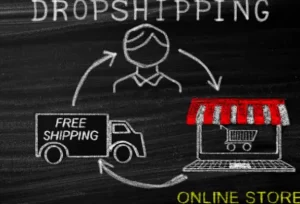
Dropshipping is a business model where you don’t need to hold inventory. When a customer places an order, you simply forward the order to the supplier, and the supplier ships the product directly to the customer. No warehouse, no inventory management, and no shipping hassles. Platforms like Dropsure make it easy by streamlining the process, so you can focus on marketing and sales, leaving the rest to us.

To learn more about dropshipping, check out our What is Dropshipping & How to Start article.

How to Dropship from China?

Success in dropshipping is no accident. Follow these steps to get your business started:

Step 1: Choose Reliable Suppliers

Choosing unreliable suppliers means delays, refunds, and unhappy customers. That’s why finding a trustworthy supplier with a good track record is crucial. Using a platform like Dropsure helps you easily find verified Chinese suppliers.

Step 2: Pick Hot-Selling Products

Stop second-guessing your product choices. Use market analysis tools like Google Trends to identify trending products with low competition and high demand. Your product selection directly impacts your future profits.

Step 3: Target the Right Audience

Understanding who’s buying your products is key. Use social media analytics tools and market research to figure out your potential customers’ age, interests, and buying habits. Precise targeting boosts conversion rates.

Step 4: Track Orders, Keep Transparency

Using your supplier’s order management system or tools provided by Dropsure, stay updated on order status. Customers expect timely delivery, and any delay could cost you their trust.

Step 5: Handle After-Sales Efficiently

Don’t let bad reviews drag you down. Establish clear return and exchange policies, and maintain good communication with customers. Promptly addressing issues is key to customer satisfaction and maintaining a positive reputation.
Dropshipping from China 3

Benefits of Dropshipping from China

Dropshipping from China offers several significant advantages:

1. Low Cost, High Profit

Products from China are typically inexpensive, which means lower sourcing costs and higher profit margins—helping you get a competitive edge in the market.

2. Wide Range of Products

Whether you’re selling electronics or fashion, you’ll find a wide variety of products from Chinese suppliers. The broad selection makes it easier to find products that suit your niche.

Dropshipping from China 2

3. Robust Supply Chain

China has one of the world’s most advanced supply chain infrastructures, ensuring efficient operations from production to logistics. Whether you’re selling in the U.S. or Europe, deliveries will arrive on time.

4. Strong Technical Support

Many Chinese suppliers offer advanced manufacturing capabilities and customization. Strong technical support ensures you get high-quality products, avoiding common quality issues.

How to Find Reliable Dropshipping Suppliers in China?

Finding reliable dropshipping suppliers isn’t hard if you know where to look. Here are a few tips:

1.Attend online or offline trade shows to meet suppliers face-to-face.

2.Use directories and platforms specifically designed to connect dropshippers with Chinese suppliers.

3.Check for supplier certifications or quality control measures. At Dropsure, we provide a curated list of trusted suppliers to make your search easier.

If you’re serious about finding the best suppliers, don’t miss out! Click here to read our article How Do Dropshippers Find Their Best Dropshipping Suppliers? and discover the top strategies that can take your business to the next leve

Dropshipping from China 1

Conclusion

Dropshipping from China presents a wealth of opportunities for entrepreneurs. By following the right steps, you can leverage low-cost products, a wide variety of choices, and a robust supply chain. At Dropsure, we’re dedicated to helping you succeed in your dropshipping journey. We provide the tools, connections to top suppliers, and support to help your business thrive. Start your dropshipping adventure with us today!

DropSure

DropSure is Your Best Partner
22 Years Experience
Affiliate Rebates
100% Quality Guarantee
Top-Up Rewards
10+ Global Warehouses
Custom Branding Support
Smart inventory System
24/7 Customer Support
Get a Quote in 24 Hours
Start Sourcing for Free

Keep Learning

Before diving into the world of cross-border e-commerce independent sites, understanding their revenue models is crucial. Different business models determine the site’s operational direction, target customers, and profit channels. Today, let’s explore the six major business models for cross-border e-commerce independent sites. Model 1: DTC (Direct-to-Consumer) – Take Full Control of Your Brand  If you’re planning to build a cross-border e-commerce independent site, the DTC model is something you can’t ignore. Simply put, you become your own boss—selling directly to consumers without middlemen like agents, wholesalers, or retailers. No more commissions, no more markups—more profit, more control. Think about it: You’ve worked hard to create a great product, but once it passes through layers of distributors, the price skyrockets, and your customers end up paying way more than they should. Sounds unfair, right? That’s exactly why the DTC model is a game-changer. It eliminates unnecessary costs, gives you full control over the sales process, and allows you to connect directly with your customers. You get instant feedback, adjust your product offerings accordingly, and continuously improve. Even better, you own your space—from your website design to your marketing strategy. No more worrying about platform rules limiting your promotions. Want to run a flash sale? Go ahead. Thinking about personalized marketing? Do it. Want to build brand loyalty? The DTC model is made for it. Real Case: Away – The DTC Luggage Success Story   When it comes to DTC success stories, Away is a brand that stands out. From day one, they made a bold decision: skip traditional retail channels and sell directly to consumers through their own website. Their strategy? Create high-quality, stylish luggage while telling a compelling brand story that resonates with travelers. But Away […]

Doing dropshipping? Then you probably fear two things the most: blindly picking products and burning ad money with zero conversions. Sound familiar? You see a “viral product” blowing up on TikTok, jump on the hype train, order inventory, list it on Shopify—and then boom, ad spend goes up, traffic comes in, but conversions? Gone like smoke. In the end, you’re left quietly shutting down your store. Today, we’re going to break down product selection into a clear, data-driven process—quantifiable, repeatable, and actually effective. Specifically, we’ll evaluate products based on: • Market Demand • Profit Margin • Shipping Friendliness • Competitive Landscape • Repurchase Potential Only by doing this can you cut through the noise and find the real money-makers—instead of getting swept up in trends and stuck with unsellable inventory. Conclusion: 5 Must-Have Criteria for Dropshipping Products  When it comes to dropshipping, product selection is the absolute foundation. Whether a product can actually make money usually comes down to a few key factors. I’ve laid out 5 hardcore criteria to help you quickly judge: is this product really worth your ad spend and time? Criteria Requirement Why It Matters Market Demand Search volume and sales are growing If no one’s buying, conversions are just wishful thinking Profit Margin Profit margin ≥ 30% If you can’t cover ad spend, you won’t survive Shipping Friendly Weight < 2kg, small in size Faster, cheaper shipping, lower return risks, and better customer experience Not Brand Dominated No overwhelming brand monopoly Gives new sellers a chance—otherwise you’ll be crushed by giants Low Repurchase Dependence Can profit from one-time sales Focus on new customer conversions; repurchase is a bonus, not a lifeline 1. Market Demand: No […]

Cross-border e-commerce sellers know that choosing an overseas warehouse is a critical step, yet even a small misstep can affect shipping efficiency or lead to significant losses. Lost goods, low listing rates, delayed shipments, skyrocketing storage fees… these are common pain points. So, how can you find the right overseas warehouse to truly boost operational efficiency? Five years of cross-border experience have distilled five key points to help sellers avoid pitfalls. Systematization ability  Overseas warehouse, you may first look at the warehouse area is not big, more or less labor, but the real impact on efficiency, is it in the end “smart or not”. How to judge the systematization ability of overseas warehouse? Look at these three points System docking ability If your overseas warehouse still relies on Excel to manually enter orders, then you really need to consider changing. A good overseas warehouse should be docked to your store with one click, so that the order data is automatically synchronized, eliminating the trouble of manual import. You can just ask: ● What platforms are supported? Now the mainstream cross-border platforms are TikTok, Temu, Shein, Amazon, eBay, can your overseas warehouse directly dock? ● Can you choose the logistics? Are they bound to only one courier, or can they integrate UPS, FedEx, DHL, USPS, etc. to help you intelligently match the optimal program? ● Is it easy to manage orders? Can you manage all the orders in one system instead of spreading the forms around? Reality Case: You have 1000 orders, one click to synchronize and the warehouse starts processing immediately. Compare that to manually entering 1,000 orders, which you can do until dark just by entering them. Intelligent inventory […]