








< Blogs

Dropshipping: Scam or Real Opportunity? A Complete Guide to the Truth

Vivan Z.
Created on May 26, 2025 – Last updated on May 30, 202513 min read
Written by: Vivan Z.

These past few years, whether you’re scrolling through TikTok, watching YouTube, or browsing Reddit, you can’t miss people talking about “Dropshipping”—stuff like “zero inventory startups,” “passive income,” or “hundreds of orders a day,” all hyped up to get your blood pumping. But here’s the real question: Is dropshipping a legit money-making opportunity or just a cash-grab harvesting newbie sellers?

Don’t rush to decide. Today, we’re going to tear off the filter for a brutally honest analysis—whether this business is worth your time and if it actually has a future.

What Is Dropshipping? 

Dropshipping (i.e. zero-inventory e-commerce) simply means you open an online store, sell other people’s products, and pocket the difference. No need to stock inventory, no need to handle shipping yourself—just a computer and an account, and you’re ready to go.

The process is actually super simple. First, you set up a shop on Shopify, Shopee, or TikTok Shop, and list products you’ve found on Alibaba, 1688, or AliExpress. When someone sees your ad or video and likes what they see, they place an order in your store. You then take that order, go back to your supplier to place the same order, and the supplier ships the product directly to your customer—without you ever touching the item.

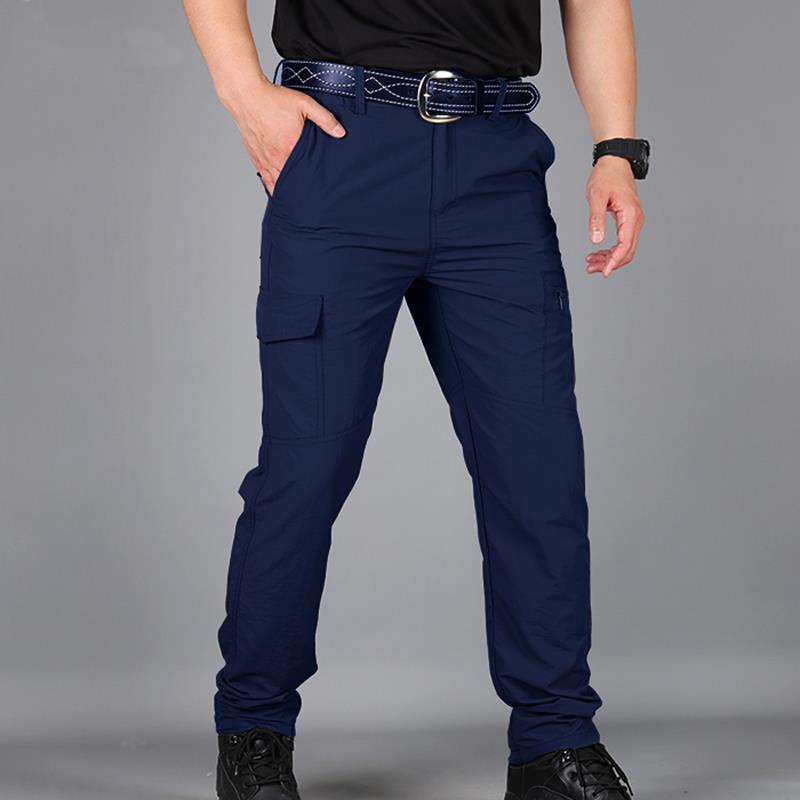
For example, a customer buys a pair of pants in your store for $39.99. You then order it from AliExpress at a cost of $15 plus $5 shipping, so you net $20 on that sale (of course, you still have to deduct your ad spend and other miscellaneous costs). Sounds pretty sweet, right?

A lot of people get hooked on this model and think it’s the “ultimate light-startup”: no purchasing stock, no dead inventory, not even handling returns or customer service yourself—seems like a business that can’t lose.

But hold up—of course the truth isn’t that simple. Next, let’s break it down further and see whether this business really is what you think it is.

Are The Rosy Pictures Of Dropshipping Real? 

A lot of content creators or course sellers will tell you:
● “Zero Inventory, Zero Risk, Anyone Can Do It”
● “You Can Make A Thousand Bucks A Day While Sipping Coconuts On The Beach”
● “I Went From $0 To $20K A Month”
These aren’t entirely lies, but they’re talking about the “results” they achieved, without telling you the “cost” behind them.
Let’s break it down—

The Harsh Reality: Dropshipping Isn’t As Easy As You Think

On the surface, dropshipping looks like a feast of “asset-light entrepreneurship,” but once you dive in, you’ll realize this bowl of rice isn’t as tasty as it seems. Here are some pitfalls almost every newbie steps on.

Product Selection Is A Matter Of Life And Death
Don’t think you can just open a store, list a few products, and lie back collecting money. Product selection is the soul of the entire dropshipping model—actually, it’s the “make or break” line. If you want to explode sales, you must find those “potential winners” that customers want but the market hasn’t yet over-saturated.
The problem is, most products out there have already been sold, tested, or even over-sold. If you jump headfirst into the red ocean, your ads will get low clicks and poor conversions, burning money but barely selling anything.
Making real money depends heavily on data sensitivity + user insight + some luck. You need to know what’s hot, what hasn’t exploded yet, and what’s the next big trend—and you can’t figure this out just by scrolling videos.
Newbies without direction, resources, or experience who pick the wrong product basically step on a landmine that blasts them back to square one.

Rising Advertising Costs
In theory, TikTok, Instagram, even Pinterest can bring you “free traffic.” But in reality, most people can’t attract precise customers through content alone, let alone convert them.
So everyone starts relying on paid ads. Facebook Ads, TikTok Ads, Google Shopping… these platforms have a low entry barrier but burn cash crazy fast.
You might see videos claiming “I exploded sales with just $100,” but the truth is most beginners waste hundreds of dollars on ads without selling a single pair of pants. This “tuition fee” phase is almost unavoidable.
Plus, ad platforms are getting smarter and more expensive to target accurately. Customer acquisition costs have more than doubled compared to a few years ago. If you don’t understand ad data, can’t test creatives, or control budgets, you’re basically throwing money away.

Slow Logistics + Terrible After-Sales Service
Dropshipping saves you from warehousing and shipping, but customer experience is basically a gamble. Many rely on AliExpress or Yiwu freight agents, where shipping takes 10–20 days easily, even longer during peak seasons.
Think about it: Amazon offers next-day or two-day delivery, and US customers are spoiled by speed. Sending a slow little package will kill their patience instantly. Late deliveries lead to disputes, bad reviews, and complaints.
You end up juggling supplier, platform, and customer communications, handling lost packages, wrong colors, missing parts—you’re customer service, project manager, and firefighter all at once.
And many suppliers aren’t reliable—stockouts today, delays tomorrow—throwing you right into the storm.

Stricter Platform Policies
Shopify, Facebook, and TikTok used to turn a blind eye to dropshipping, but the game has changed.
Shopify restricts features or even bans stores with high return rates or disputes. Facebook Ads will shut down your Business Manager and ad accounts if they detect “consumer deception” or frequent complaints—no appeals allowed.
TikTok is cracking down too: re-uploaded videos, false advertising, and overhyped marketing accounts or ads won’t get approved or get banned outright.
In plain terms, platforms aren’t dumb and don’t want to be known as a “scam hub” anymore.

Once dropshipping was a wild-growth playground; now it’s more like a red ocean battlefield of refined operations. Without professionalism, patience, strategy, and execution, you simply won’t survive.

What Factors Contribute to Success in Dropshipping? 

You might ask: If it’s so tough, how come some folks brag about making thousands a day or buying sports cars in three months on social media?

The answer is simple—they’re not playing the low-level game of “randomly throwing stuff up and hoping it sells.” Instead, they run a full-chain strategy combining systems + data + branding.

They have a clear product selection logic and don’t rely on luck or blind guessing. Real winners have their own product selection SOPs, like first checking market trends on Google Trends, then using tools to gather competitor data, and finally testing in small batches—deciding to scale only if ROAS looks good. They don’t blindly follow what others sell well.

Their ad testing process is very rational and data-driven, not emotional. Many newbies burn $500 right away without knowing why they make sales or why they don’t. Mature players start with creative A/B testing and precise audience targeting. If an ad burns $100 without ROI, they stop immediately, tweak creatives, landing pages, or prices, and then try again.

They’re also building their own “private traffic pools.” For example, collecting customer data via email, creating TikTok fan accounts, running limited-time promotions to encourage repeat purchases—so they don’t rely on paid ads for every single order. Long term, this lowers customer acquisition costs significantly.

More advanced players no longer settle for just “arbitraging price differences” but have shifted to branding: custom packaging design, hiring models for original videos, using Shopify plus apps to build membership systems, encouraging users to write good reviews, boosting repurchase rates… Basically, this is the path of asset-light DTC brands.

At this point, what you’re selling isn’t just “something you can find on AliExpress” anymore. It’s a product with experience, content, and trust—making it naturally easier to stand out.

So yeah, if you want to do dropshipping now, you can’t treat it like a side hustle or just fool around. You’ve got to operate, advertise, and optimize conversion like a real company, or you’ll just be running in place.

Dropshipping is definitely not a casual “side hustle” that anyone can jump into, nor is it an “automatic money machine” where you just lie back and watch the cash flow in. So, what kind of people are suited to give it a try, and what pitfalls should be avoided?

Who Is Suitable to Enter the Market

If you have some startup capital on hand—say, a budget of one to three thousand dollars; are willing to spend time analyzing ad data and fine-tuning your product selection strategy; have a calm mindset to accept that your first few products might barely break even; plus a decent command of English so you can understand supplier terms, customer reviews, and backend reports smoothly… congratulations, you have the basic qualifications to do dropshipping. With these “tools” in place, you can treat failures as learning investments and gradually develop your own approach.

Who Is Not Suitable to Enter the Market

On the other hand, if you want “quick money with zero investment,” think you can’t succeed without buying courses; don’t want to put in the brainpower to analyze data or run A/B tests and just want to rely on luck; or believe that buying some “quick success formula” will let you lie back counting money—honestly, don’t waste your time. On this road, the “entry fee” might cost you more than your budget, and the one who suffers the loss is often yourself.

Treat Dropshipping as Entrepreneurial Training

In short, dropshipping is more like a small-scale entrepreneurial training: you need to invest some money and time upfront, practice selecting products, running ads, handling customer service, and managing logistics—the full set of skills—before you can gradually increase your profits. The ones who really make money aren’t just lucky; they keep optimizing through failures and find direction in the data, eventually pushing their profit curve upward.

Dropshipping: A Business of Both Opportunity and Challenge

Let’s be clear from the start: Dropshipping has never been a scam. It’s a well-established e-commerce business model, with a core concept that’s simple—you make the sale, your supplier handles the shipping. No inventory, low entry barriers, and access to global markets—it all sounds pretty appealing. That’s exactly why so many people are drawn to it.

But the reason it gets misunderstood or ends up disappointing many comes down to one thing: too many people treat it as a shortcut to “high returns with low effort.” The reality? It’s a business that demands an entrepreneurial mindset. It has a low margin for error, intense competition, and making money is anything but easy.

Think you can “just copy a success story, grab a trending product link, run a few ads” and see automatic sales roll in? In truth, you’ll be constantly analyzing performance data and tweaking your ads; sourcing new products while dodging platform policy violations; handling angry customer emails over slow shipping while scrambling to find more reliable suppliers. Where’s the “easy” part? That’s just the day-to-day of running operations.

But don’t be discouraged. If you’re willing to commit seriously and treat Dropshipping as a real-world business training ground, it can absolutely help you break through your growth ceiling—sharpening your eye for products, improving your traffic judgment, and developing a customer-first mindset. Even if you don’t stick with Dropshipping long-term, these are transferable skills you can carry into other ventures. Totally worth it.

In short, Dropshipping is a business that’s easy to start, but hard to master. If done well, it can make you money, teach you valuable skills, and build a strong foundation for future entrepreneurship. If done poorly, it might just burn your cash, drain your energy, and wreck your confidence.

So is it worth it?
Here’s the one-line answer:
If you treat it seriously and go all in, it can reward you. But if you’re just looking to “get lucky and make quick money,” it’s a brutal trap that will chew you up and spit you out. 

buttom

DropSure is Your Best Partner
22 Years Experience
Affiliate Rebates
100% Quality Guarantee
Top-Up Rewards
10+ Global Warehouses
Custom Branding Support
Smart inventory System
24/7 Customer Support
Get a Quote in 24 Hours
Start Sourcing for Free

Keep Learning

Dropshipping has become one of the most accessible online business models in the world. With low startup costs, no inventory risk, and the ability to sell globally, it attracts thousands of new entrepreneurs every month. But while dropshipping looks simple from the outside, the learning curve is much steeper than most newbies expect. Many beginners rush in with unrealistic expectations, poor strategies, or the wrong mindset—leading to slow growth, wasted money, and early burnout. If you’ve been running a dropshipping store and feel stuck…If your ads aren’t converting…If suppliers are letting you down…Or if you simply want to avoid the classic mistakes most first-time sellers make… This guide is for you. In this comprehensive article, we break down the 10 most common mistakes beginners make in dropshipping, why they happen, and most importantly—how to fix them immediately. Whether you’re selling through Shopify, WooCommerce, TikTok Shop, or other platforms, these lessons apply universally. Let’s dive in. 1. Choosing Products Based on Personal Preference Instead of Market Demand One of the most common beginner mistakes is choosing a product simply because: “I think this looks cool.” “I would buy this.” “My friends like it.” But dropshipping is NOT about what you like. It’s about what the market wants. Why it’s a mistake Your personal taste has zero correlation with: consumer demand search volume competition level profitability scalability Beginners often fall in love with their product idea, but the market doesn’t feel the same way. How to avoid it Use data—not emotion—to pick products. Analyze: Search volume (Google Trends, TikTok search, Amazon data) Past performance (AliExpress, Amazon bestseller lists) Engagement on social media (TikTok, Instagram, Pinterest) Competitor ad performance (Meta Ad Library, TikTok […]

As a dropshipper, you depend on your supplier to handle storing and shipping your products, so if you end up with a bad supplier, things can go wrong fast. A bad one can: ❌ Damage your reputation: Your customers see your name on the product, not your supplier’s. If there’s an issue with shipping, storage, or returns, it’s you they’ll hold responsible. ❌ Lead to bad reviews: All the effort you put into optimizing your eCommerce store can go out the window if your supplier mistreats your customers. Too many one-star reviews will make it harder to gain and keep customers. ❌ Cause stock issues: If your supplier keeps running out of stock, you’ll miss out on sales and it’ll hurt your credibility. In dropshipping, your supplier impacts almost every part of your business. Therefore,finding a reliable supplier is key to keeping your business stable and successful. Explore the various directories and apps to find reliable dropshipping suppliers! Directories: InventorySourceThis platform automates product, inventory, and order management, syncing supplier products directly to your store on Shopify or Amazon. InventorySource saves time by handling daily tasks like uploading productsand managing inventory automatically. This platform offers a list of certified suppliers, ensuring that the suppliers are trustworthy. You only pay a one-time fee to use their platform and find suppliers for as long as you need.SaleHoo is a database that helps you find reliable suppliers and offers resources for learning dropshipping. It’s ideal for beginners, providing both suppliers and guidance on starting an e-commerce business.WholesaleCentral is a free directory that provides supplier information, helping you find products to sell. If you’re comfortable managing your own products and orders, it’s a cost-effective option […]

Enterprise Steven Guo Brand Name Medjool Days Business Model Dropshipping Founded 2020 Revenue $12 million While most of his peers are still stressing over their first job, 24-year-old Steven Guo has already built 15 e-commerce businesses, generating $12 million in revenue. He didn’t come from a wealthy family, didn’t graduate from a top university, and wasn’t even a standout student in college. At this point, you might be wondering: In a world where Temu and SHEIN dominate global markets, how did an ordinary young entrepreneur carve out a space in dropshipping? While countless sellers are trapped in brutal price wars, how did he uncover hidden, high-profit niche markets? Today, we take a closer look at Steven’s entrepreneurial journey—diving into how he scaled multiple businesses to seven figures, his secrets to finding million-dollar products, and the biggest challenges newcomers face in e-commerce. The Path to Wealth: From Fidget Spinners to a Million-Dollar Empire     High School Beginnings  Steven’s entrepreneurial journey began in high school. At the time, he recognized the booming trend of fidget spinners, sparking an idea to earn pocket money by selling small toys online. He chose Reddit as his promotion platform, tirelessly spamming various subforums. Eventually, the “ding” on his Shopify platform signaled his first order. This small success made him realize the immense potential in e-commerce and fueled his passion to explore further. University Expansion  In his first year of university, Steven boldly entered a new market: selling anime figurines dressed in Nike sneakers. These creative collectibles quickly gained traction, even attracting celebrity buyers like Justin Bieber. Despite facing copyright issues, he managed to generate substantial income. Over time, he launched multiple brands—some thrived, while others faded—but […]