








< Blogs

DropSure in Europe: Face-to-Face with French E-Commerce Sellers

Vivan Z.
Created on July 7, 2025 – Last updated on July 9, 20253 min read
Written by: Vivan Z.

In June 2025, DropSure was invited to participate in the China-Europe (France) Cross-Border E-Commerce Forum held in Paris, France. This event is a key exchange platform for the cross-border e-commerce ecosystem between China and France, gathering numerous e-commerce platforms, brands, logistics providers, and marketing agencies to jointly explore global e-commerce trends and China-Europe cooperation opportunities.

As a leading global fulfillment platform, DropSure attended the forum as an exhibitor, actively showcasing our solutions in automated product selection, brand customization, and intelligent fulfillment. This was also a great opportunity to establish direct connections with more local French sellers and partners.
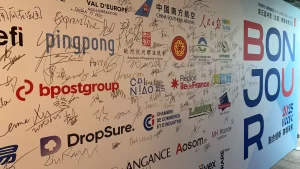
1ff8599f-b24d-42ab-a516-6d006d10dbf2

At the Exhibition

At the event, DropSure’s booth attracted a lot of attention. We demonstrated how the DropSure platform helps sellers operate efficiently without holding inventory—from one-click product selection to fast shipping, from branded packaging to customer experience. Every step is simplified yet professional, addressing the top concerns of cross-border sellers such as timeliness, cost, and service stability.

Many French independent site sellers and market operation teams engaged in deep conversations with us, showing strong interest in DropSure’s efficient, transparent, and automated global fulfillment capabilities.

Face-to-Face Communication

Beyond the booth display, the DropSure team also participated in offline networking sessions extending from the forum, discussing topics including the development of the European market, consumer preferences, and localized supply chain services.

Through these face-to-face interactions, we gained a deeper understanding of the real needs of French local e-commerce sellers and introduced them to DropSure’s customized logistics routes and localized service capabilities tailored for the European market.

Exhibition

European Market Layout

This trip to France was not only an opportunity to showcase our platform’s strengths but also a significant step in DropSure’s formal launch of localized market deployment in Europe. Our upcoming plans include further optimizing services for France and neighboring European markets, such as:
● Enhancing local logistics efficiency and shortening transit times
● Expanding customizable product categories and brand services
● Strengthening supply chain collaboration with French and European service providers
● Regularly organizing online and offline sharing and training events for local sellers

fb31d4c4-e4c8-4fdd-bc3b-71f304fc388f

Join the DropSure Family

DropSure is committed to building a dropshipping platform that enables sellers worldwide to easily start and expand their businesses. We warmly welcome sellers from France and Europe to join the DropSure platform and embark on a high-efficiency, transparent, and low-barrier global sales journey.

Contact Us 

● Official website: https://www.dropsure.com/
● Business cooperation contact: marketing@DropSure.com
● For more events and platform updates, please follow DropSure’s official Facebook page

buttom

DropSure is Your Best Partner
22 Years Experience
Affiliate Rebates
100% Quality Guarantee
Top-Up Rewards
10+ Global Warehouses
Custom Branding Support
Smart inventory System
24/7 Customer Support
Get a Quote in 24 Hours
Start Sourcing for Free

Keep Learning

If you own an online dropshipping store, then pricing strategy is definitely an aspect you need to take seriously. When pricing your products, you can’t just rely on your gut feeling. You have to take into account various expenses such as product costs, marketing costs, taxes, hosting fees, app fees, and even psychological factors. Don’t worry. In this guide, you’ll learn what dropshipping pricing strategy is, how to choose the best retail price, the different pricing strategies you can use, how to adjust product prices reasonably, and more! So, if you’re asking yourself, “What retail price should I set for my products?” then this article is for you. Let’s get started! What is Pricing Strategy When it comes to pricing strategy, you might think it sounds like a complex business term, but it’s as simple as setting a price for your favorite perfume. It’s about finding that sweet spot where you can earn a profit while ensuring customers feel they’re getting great value. In short, a pricing strategy is the method by which a business sets reasonable prices by studying market demand, product costs, competitors, and other factors. Sounds a bit like giving yourself a “price checkup”? That’s right—a pricing strategy helps you find the most appropriate “healthy price” that lets you profit without scaring away customers. Why Do You Need a Pricing Strategy You might think, “Isn’t it just about setting a price? What’s so special about it?” In reality, pricing isn’t that simple. An appropriate pricing strategy can help you attract potential customers and increase your profits. Imagine if you set the price too high, customers might feel it’s too expensive and walk away; but if you set […]

DHgate is a popular cross-border e-commerce platform that connects buyers and sellers globally. It offers a wide variety of products, flexible payment options, and broad shipping services, making it a good choice for small and medium-sized businesses to start international trade. However, there are some concerns about product quality and safety that potential sellers should be aware of before using the platform. What is DHgate? DHgate is a leading B2B cross-border e-commerce platform in China. It was founded by Ms. Wang Shutong in 2004. The goal of DHgate is to create an online Silk Road and help small and medium-sized businesses “buy globally, sell globally.” DHgate has several advantages: first, it covers a large market with over 2.3 million registered suppliers and more than 36.4 million buyers from 223 countries and regions. Second, it has strong logistics support with over 100 shipping routes and more than 10 overseas warehouses. Third, it supports 71 currencies for payments. Finally, DHgate has built strong advantages in brand, technology, operations, and users that are hard to copy. Although DHgate offers low-cost purchasing for small businesses and dropshippers, there are some downsides. For example, product quality can be inconsistent, shipping times may be slow, and customer service responses can be delayed. These issues may affect the buyer’s experience. New users should be careful when using the platform, choose suppliers carefully, and check reviews and ratings. It’s also important to choose the right shipping method to avoid delays and keep customers happy. Lastly, make sure to understand the return and refund policies in case any problems arise. Is DHgate Legit and Trustworthy for My business? DHgate is a cross-border e-commerce platform in China that connects global […]

In April 2025, U.S. President Donald Trump announced a series of tariff policies dubbed “Liberation Day.” He claimed these tariffs would boost American manufacturing, protect jobs, and imposed additional duties on goods imported from dozens of so-called “worst offenders,” raising tariffs on Chinese products to as high as 125%. At the same time, these measures are having a profound impact on businesses operating on platforms like Shopify and on the broader cross-border e-commerce landscape. The steep rise in import costs has fundamentally reshaped the e-commerce environment, forcing sellers to embark on a quest for new supply chain solutions. In the following sections, we’ll dive into the latest developments and explore the far-reaching implications these changes hold for online businesses. Tariffs: What They Are and How They Work Simply put, tariffs are taxes you pay when buying goods from another country. In most cases, tariffs are calculated as a percentage of the product’s value. For example, if an item is worth $10 (roughly £7.59) and the tariff rate is 25%, you’d need to pay an additional $2.50 (about £1.90) in tax. Now, if a 125% tariff is applied to goods imported from China, that means a $10 product would incur an extra $12.50 in tax. So who pays this tax? It’s the companies that bring foreign goods into the U.S.—the importers. They’re the ones responsible for paying the tariff to the government. When is the tax paid? Right when the goods go through U.S. customs, the tariff has to be paid. Of course, businesses often have their own strategies. They may choose to pass on some or all of that added cost to consumers, making shoppers ultimately bear the burden. Overview […]