
 10 min read
Shipping. That’s something we all have to figure out at some point, like when we’re mailing a birthday gift to a friend or an important document across the country. Shipping may seem straightforward at first, but the array of choices can leave even the savviest online shoppers scratching their heads. You may find yourself asking: “What in the name of Pizza Rat is Priority Mail, and how is it different than other USPS services?” —you’re in the right place! Here we will take you through everything you need to know about Priority Mail, how it stands up against similar USPS options such as First Class, transit times and what to expect when using the service for your shipping desires. Let’s get started!
What is Priority Mail?
What’s Included with Priority Mail?

Alright, we know Priority Mail is all about speed, but let’s talk about the extra goodies that make it such a solid pick for shipping your important stuff. Here’s the scoop:
1.Fast Delivery
Yep, we’ve mentioned this before, but it’s worth saying again—Priority Mail gets your package there in 1-3 business days. That’s pretty quick, right? If you need something to arrive within a week, you can count on it.
Tips:You can use the USPS Price Calculator to estimate the shipping costs for your Priority Mail packages(https://postcalc.usps.com/)
2.Free Tracking
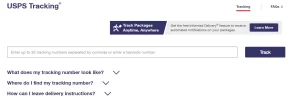
And here’s the kicker: free tracking. You can track your package at any point in time. No more worrying about whether your gift has been stuck in some warehouse at the end of the earth. USPS’s tracking is quite accurate as well, so you’ll always know what’s going on.
3.Insurance
As a cherry on top — $100 of insurance is included for most shipments. That means if something goes wrong (your package, knock wood, gets lost or damaged), you can file a claim and get your money back. Pro tip: keep your receipt, just in case. Trust me, it’s a lifesaver.
4.Flat Rate Options
Priority Mail offers different shipping rates (flat-rate boxes, for instance). If your package will fit in one of these pre-fab boxes, you can send it anywhere in the U.S. for one price, no matter how far it goes or how heavy it is. It’s like a universal solution for shipping—applies to everybody!
USPS First Class vs Priority Mail: What’s the Difference?
If you’ve been browsing options for USPS shipping, you’ve likely noticed USPS First Class and Priority Mail appearing in front of you. Both are good options for getting your things where they need to go, but there are a few differences worth noting. Let’s break it down:
USPS First Class
First Class Mail is a good choice for smaller, lower-priority items — letters, postcards or light packages. Here’s what you need to know:
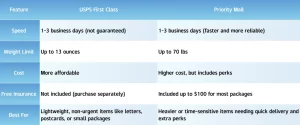
Speed: First Class typically arrives in 1-3 business days, the same as Priority Mail. But here’s the thing—it’s not a promise, so it could take longer.
Weight Limit: This service is for packages weighing 13 ounces or less. That makes it ideal for smaller objects such as documents, jewelry or small gifts.
Cost: First Class is the more affordable choice. This one is easy on the wallet if you’re not in a hurry and your package is light.
No Insurance for Free: First Class doesn’t come with insurance, as it does with Priority Mail. If you wish to have your package insured, it will cost you extra to do so.
Priority Mail
Let’s discuss Priority Mail now. This service is suitable for larger, heavier packages (up to 70 lbs) and for cases where you require your belongings to be delivered at a higher speed. Here’s the lowdown:
Speed: As promised, Priority Mail takes 1-3 business days, and sometimes it’s faster, depending on your destination. Quick and reliable!
Weight limit: Got heavy cargo to ship? No problem. Priority Mail works for packages up to 70 lbs and is better for larger items.
Cost: More expensive than First Class for sure, but worth it. Perks like free tracking and $100 of insurance add up to a great value option for urgent or high value shipments.
Which One Should You Pick?
If you’re sending a small, lightweight item (under 13 ounces) and it’s not time-sensitive, First Class is your wallet’s best friend. But if your package is heavier, needs to arrive quickly, or you want extra perks like insurance, Priority Mail is hands down the better choice.
Below is a comprehensive table comparing USPS First Class and Priority Mail. This breakdown highlights their key features, helping you choose the best option based on your shipping needs.
How Long Does Priority Mail Take?
Now that we’ve got the nitty-gritty out of the way let’s answer the big question: How long does Priority Mail take?
In general, Priority Mail delivers your package in 1-3 business days. Pretty fast, right? But, to be fair, there are a couple things that can adjust that timeline:
1.Distance Matters
The greater the distance your package has to go, the longer it can take. For instance, a shipment from New York to California might take 3 days. But if you’re merely sending it to Philadelphia? It may arrive the following day. Proximity is key!
2.Holiday Rush
When it’s the busiest time of year for sending mail (hello, holidays!), things can slow down a bit. The more packages, the more delays, and although USPS is working overtime to keep the conveyor belt churning, it has not been all sunshine and warm fuzzies for customers. Just exercise caution when shipping during the holiday crunch.
3.Service Upgrade
Need it even faster? Priority Mail also has an Express service that guarantees overnight delivery. It’s ideal for when 1-3 days just isn’t enough — but just a warning, it’ll cost you a few extra bucks.

The Pros and Cons of Priority Mail
Alright, so we’ve covered what Priority Mail is, how it compares to First Class, and how long it takes. But let’s take a moment to look at the pros and cons of using Priority Mail.
Pros:
• Fast Delivery (1-3 business days)
• Free Tracking
• $100 Insurance
• Flat Rate Shipping (no need to weigh your items)
• Reliable Service (backed by USPS)
Cons:
• More Expensive Than First Class: If you’re only mailing a small item, the cost of Priority Mail might be more than you need.
• Weight Limits for Flat Rate Boxes: While flat rate options are convenient, they may not work if your item doesn’t fit.
Is Priority Mail Worth It?
So, is it worth the extra expense for Priority Mail? Well, if you’re in a hurry to send something, with peace of mind, and you’re fine shelling out a little extra for the added bonuses (tracking and insurance), then yes! This is a strong option for many shipping requirements. Also, if you’re shipping heavy, the flat-rate options can be a godsend.
If you are shipping something light and have a little time to kill, First Class may be a cheaper option. But Priority Mail is a better option for most medium-to-large items that you need to arrive sooner rather than later.
Discover DropSure: Boost Your E-commerce Efficiency
If you think Priority Mail’s fast and reliable service is going to be your life and blood in your e-commerce business, that DropSure is the best partner that perfectly lights your way. Set to tackle the common headaches faced by many Shopify merchants (particularly dropshippers), DropSure automates key processes such as inventory syncing, order processing and supplier management, helping merchants streamline operations and cut down overhead.
Key Features
• Automated Inventory Sync: Real-time updates to prevent overselling.
• Order Processing: Automatically forwards orders to suppliers without manual work.
• Supplier Management: Centralized interface to manage and switch suppliers effortlessly.
• Order Tracking: Real-time shipment updates for improved customer satisfaction.
• Cost Analysis: Compare supplier prices and optimize profitability.
Get Started with DropSure
Sign up for DropSure today and experience smarter e-commerce management. Let DropSure handle the hard work so you can focus on growing your business!