







 13 min read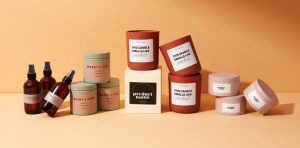
Have you always wanted to start something of your own—maybe build your own brand—but held back by fears of a tough start, high costs, or complicated processes? Don’t worry, I’ve got a game-changing tip for you today: use DropSure to launch your private label brand. Low risk, high profit, and super beginner-friendly!
With DropSure, you don’t need to create your own products, manage warehouses, or deal with logistics. The best part? You get to build a brand that’s truly yours. Start with white-labeling, then work your way up to creating bestsellers—step by step, it’s all possible.
Now let me break it down for you, step by step, on how to turn that small idea into a money-making private label business—from zero to one.
What Is a Private Label Brand?
When we talk about a private label brand, we’re basically referring to products that are manufactured by a third party but sold under your own brand name. In other words, you don’t need your own factory, and you don’t need to worry about raw materials, formulas, or production processes. All you need to focus on is your brand strategy, product design, marketing, and sales—while everything else, like manufacturing, storage, and packaging, can be handled by professional suppliers.
The core idea behind this model is simple: you have full control over the brand and the sales, but you avoid the risks and heavy upfront investment involved in manufacturing. Let’s break it down further:
Brand Control
You get to name your product, choose the brand colors, design the logo, and even customize the packaging.
Whether it’s plastic bottles, paper boxes, pouches, or the product’s outer design, everything can be outsourced and customized to match your brand identity.
No Need to Build a Factory or Develop Products Yourself
You don’t need to invent, design, or manufacture the product yourself. Just partner with a reliable manufacturer and focus on marketing and customer acquisition.
Most manufacturers offer flexible customization options—you can decide on different sizes, colors, or styles based on market demand.
Simplified Process, Reduced Risk
Unlike traditional product development, where you control every step from scratch, private labeling removes many of the usual risks—like supply chain issues or overspending on production.
Your supplier handles everything from production to quality checks to shipping, with a professional team taking care of the details.
Low Barrier to Entry
You don’t need to spend a fortune on equipment or rent a factory, which significantly lowers your initial investment and business risk.
Most suppliers are open to small order quantities and even support low-volume customization, allowing you to test your products in the market before scaling up.
How to Start Your Private Label Journey with DropSure?
Step 1: Product Selection
Choosing the right product is the most critical step in building a successful private label brand. A smart product choice can help your brand stand out, while a poor one—no matter how good your branding is—can lead to wasted time and effort. So don’t take this lightly! The key is to find products with strong market demand, healthy profit margins, relatively low competition, and alignment with your brand positioning.
Below are a few product categories that are ideal for private labeling. But remember: don’t choose based on gut feeling. Do your research, analyze trends, and ensure the product has solid long-term market potential.
Facial Skincare & Cosmetics
These products typically come with high profit margins and strong market demand. Consumers are willing to pay more for high-quality skincare and makeup, especially if your brand has a good reputation. Plus, they have great repeat purchase potential. Once people find a product that works for them, they tend to stick with it and repurchase regularly.
Another major advantage of this category is its rich segmentation. You can build a distinctive brand by focusing on niches like anti-aging, sensitive skin, or natural/organic ingredients.
Fitness & Body Shaping
With growing health consciousness, fitness-related products are booming. Think workout gear, protein powders, and dietary supplements—these are essentials for fitness enthusiasts and have high repurchase rates.
What’s more, customers tend to be loyal to brands they trust—especially in supplements and equipment. If your brand delivers quality and reliable service, it’ll earn long-term customers. Building a strong brand presence in this space can give you a major edge and help grow your market share.
Home Gadgets & Kitchen Tools (Mass Appeal)
Home and kitchen products have massive, stable demand. Nearly every household needs them—whether it’s kitchen gadgets, storage solutions, or cleaning tools. This category is great for private label because it’s used in everyday life and has solid repurchase potential.
What makes it even better is that you can use product differentiation to stand out in a saturated market. A little creativity in design, packaging, or function can make your products eye-catching and competitive.
Pet Products (Emotional Spending)
Pets are now part of the family for many people, and pet owners are willing to spend big—especially on food, grooming, toys, and accessories. The pet market is deeply emotional, and brands that connect with consumers on that level tend to win.
Pet products also benefit from high brand loyalty. Pet owners prefer brands they trust, especially if they offer quality and care. If you can brand your products in a way that resonates emotionally with pet parents, you’ll definitely carve out a place in this growing market.
Step 2: Create Your Brand Design
Brand design isn’t actually that complicated—you don’t need to be a professional designer. As long as you have some basic ideas, you can build a brand image that catches the eye of consumers. After all, brand design gives customers their first impression, and it directly affects product recognition and market positioning.
First, you need to come up with a name for your brand. The brand name must be simple and easy to remember. It’s best to avoid overly complicated words or names that are hard to pronounce. A simple name not only makes it easier for consumers to remember but also makes your brand appear more modern and professional. Also, don’t choose names that are too cheesy or outdated—they might make your brand seem unprofessional and hurt its credibility.
Next comes the key part of the design: the logo. Your logo should be clean and bold, with a unified visual identity. Whether it’s printed on product packaging or used on your website and social media platforms, the logo must be highly recognizable. A professional logo should be simple, easy to understand, and capable of conveying your brand’s core values. If your brand positioning is high-end or innovative, the logo style can be more minimalist and modern; if the brand is friendly and everyday-oriented, then the logo can be more approachable and fun.
Then there’s the packaging design. Even if you’re using label stickers, you still need to ensure that the packaging style is consistent. Packaging is a part of your brand image. Attractive packaging not only elevates the product’s perceived value but also stimulates consumers’ desire to purchase. Good packaging not only protects the product but also serves as a carrier of brand value. Putting thought into your packaging brings not only a visual experience to your customers but also enhances your product’s ability to command a higher price.
If you’re not confident in your design skills, don’t worry. DropSure offers graphic design services. You can choose a designer to create custom designs that fit your brand positioning based on your needs. This service is time-saving and efficient, helping you easily create a professional brand image.
Step 3: Use DropSure to Set Up Your Store
Next, one of the most important steps is to build your online store. Nowadays, there are many platforms where you can open a store. DropSure supports integration with multiple e-commerce platforms like Shopify and TikTok Shop, and it also allows you to sell products directly through DropSure’s independent site templates.
If you’re already familiar with a certain e-commerce platform—for example, you have some experience using Shopify—you can choose to connect with that platform. This way, you can quickly get started and use the platform’s traffic and tools to promote your brand, reducing the learning curve. On the other hand, DropSure’s standalone site templates are also a very convenient option, especially for those who want to build an independent brand identity. It offers simple and easy-to-use features that allow you to customize pages and create a shopping experience that aligns with your brand style.
No matter which platform you choose, the most important thing is to ensure that your store pages look professional and clear—don’t let buyers feel like they’re shopping at a flea market. Make sure your product pages include detailed descriptions, clear images, transparent pricing, and a smooth shopping process. A clean and well-organized page design can significantly improve the customer’s shopping experience and boost their confidence in buying. Remember: consumers often judge your professionalism and brand value based on the look of your store. If the page looks messy, they might leave right away.
With DropSure’s platform integration and tool support, you can easily set up a professional online store and focus on product promotion and sales without spending too much time and energy on technical details. This way, you can quickly enter the market and start realizing your private label dream.
Step 4: Get Traffic, Get Conversions
Traffic and conversions are the core of any e-commerce business—especially when you’re just starting your private label. The real key to success lies in how well you can attract your target customers and convert them into paying buyers. Your marketing strategy directly impacts brand exposure and sales performance. Here are some proven strategies that can quickly boost your traffic and conversion rate.
First, the quality of your product photos and short videos is crucial. When shopping online, consumers usually rely solely on visuals to judge a product’s appearance and quality. That means your product images must be clear, professional, and highlight the key selling points. DropSure provides media services to help you quickly get high-quality images and videos—no need to shoot or edit them yourself. This saves time and effort. Top-tier visuals not only grab attention but also significantly improve your conversion rate.
Next, leverage TikTok by finding micro-influencers to do product reviews and recommendations. TikTok has become a major source of shopping inspiration, especially for younger consumers. By collaborating with influencers, you can let them test your products and promote them to their audience. This doesn’t just increase your brand exposure—it also triggers genuine buying intent from potential customers. If you have no experience working with influencers, DropSure can support you by helping you connect with the right KOLs for your niche.
Beyond influencer marketing, consistent operation of your brand’s social media accounts is essential. You should create accounts on platforms like Instagram and Facebook and post regularly. Share content related to your brand—product showcases, how-to videos, customer reviews, brand stories, etc. This builds emotional connections with potential buyers and increases brand loyalty. Through consistent content updates, you’ll not only attract new customers but also retain and engage your existing audience.
Email marketing is another highly effective tool. Collect customer email addresses and send valuable content regularly—like new product launches, discount offers, and holiday promotions. Sending exclusive discounts to loyal customers can stimulate repeat purchases and make them feel like VIPs of your brand. Over time, this builds customer stickiness and drives up conversion rates.
Bonus Tips:
- Test the market with small batches first—don’t stockpile too much inventory at the beginning.
- Make your product page about the unique value you offer (not just “cheap and practical,” but “what problem does this solve?”).
- Act fast on customer feedback—keep improving your product and refining your brand story.
Conclusion
No exaggeration—if you truly want to build your own brand, DropSure is hands down one of the lowest-barrier and easiest-to-use platforms out there. You don’t need to hold inventory, there’s no pressure to stock up, and you can still create a real brand of your own. It’s practically a golden ticket for anyone stuck in a 9-to-5 grind looking for a breakthrough.
Now is the perfect time. Head over to DropSure and launch your first private label winning product. Stop hesitating. The market always rewards those who take action first. The opportunity is right in front of you—once you master this tool, your path to building a brand becomes clearer, and success becomes absolutely within reach.