
 14 min read
“People don’t buy what you do, they buy why you do it.” – Simon Sinek
Ever wonder why certain brands stick with you, while others don’t? Let’s take Nike for example — it’s not just shoes when you hear that name, right? It’s about athletes testing their breaking point and overcoming hurdles. That’s brand storytelling— it’s the why behind Nike, not just the what.
Then there’s Coca-Cola. Yes, they sell soda, but they are a story of joy, sharing and happiness. You’re not just purchasing a drink, you’re buying a dream.
So, how can you establish that same connection with your customers? How can your brand stand out?
That’s the power of brand storytelling. You’re not just selling products — you’re crafting a story that your customers want to be a part of. Let’s take a look at how it works and why it matters so much.
What Is Brand Storytelling?
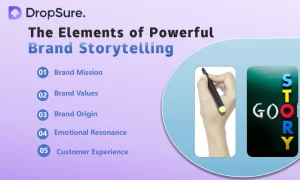
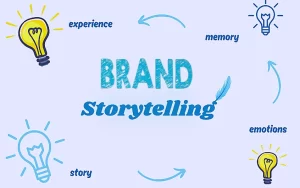
Let’s break it down: brand storytelling is the process of creating emotional connections between your brand and your audience through a compelling narrative. It’s not just about product features—it’s about telling the story of your company’s history, mission, values, and purpose in a way that resonates with people.
And here’s one big difference between content marketing and brand storytelling. Example: Content marketing, which where you create blog posts, videos, and social media content to educate, inform, or promote your products. Although content marketing can support the sharing of elements of your brand story, it’s inherently value- or sale-driven.
On the other hand, brand storytelling focuses on creating a deeper, emotional connection with your audience. It’s about telling the story behind your brand—why it exists, what values it stands for, and how it aligns with your audience’s beliefs.
Storytelling is essential to shaping how people feel and think about your brand in today’s marketing world. A good story gives your brand what we call heart, be it humor, drama or real-life scenarios people can relate to.
Why Brand Storytelling Matters
Ever wonder why some brands resonate more with you than others? Why do some brands and companies create an instinctive emotional connection with you even if you’ve never met their team and never came up close to their precession products? And it is: emotion. Humans seek out what aligns with their emotions. Whether it triggers a cherished memory or allows them to solve a problem, it’s that emotional connection that builds trust and keeps customers loyal.
And For Your Brand Storytelling, You Want Your Brand Identity, Design, & Content To Align And Reinforce Positive Associations. But here’s the thing: You need to know your audience before you tell your brand story. What do they care about? What keeps them up at night? Marketers, by leveraging customer data, can create stories and experiences that appeal straight to the audience’s heart — not just their wallet.
Creating racket that resonate with the audience goes hand what goes with the ground of neat their experience leads to the ultimate loyalty that no one can break.
Brand Storytelling Examples
Ben & Jerry’s
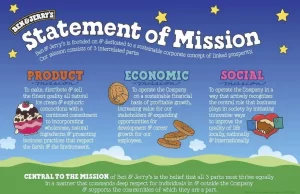
Ben & Jerry’s isn’t about making delicious ice cream. They’ve branded themselves as creating a better world. Since day one their story has been one of social justice, the environment, and fair trade. They’re not only selling you their ice cream; they want you to feel good about buying it.
Their products double as a way of supporting causes they believe in, like climate change and fair wages. So when you savor a scoop of Ben & Jerry’s, you’re also partnering with a company that works for a better world. They give you a sense that you’re doing more than just treating yourself, you’re part of positive change.”
Airbnb

Airbnb’s brand story revolves around the concept of “belonging anywhere.” And it’s not just about providing shelter—it’s about creating a home away from home, wherever that may be. All Airbnb travelers and hosts that believe in the power of human connection. Their ads reflect real experiences, and have become about the fact that you don’t have to be in one particular area in order to feel that sense of belonging. Regardless if it is a trip to a city far from home or a quaint little village, Airbnb makes it feel like you’ve found the place where you’re meant to be.
Dove

Dove’s “Real Beauty” campaign transformed beauty marketing. Rather than trotting out perfect, airbrushed images, Dove honors real, diverse beauty. The song they leveraged their brand story on a boost of self-esteem, message of confidence, and smashing unrealistic beauty ideals that society often pushes.
G: Dove empowers women to embrace their natural beauty and in return, they’ve created a loyal community that believes in the authenticity and not in perfection. Complete your look with a good feeling in your own skin.
Tesla
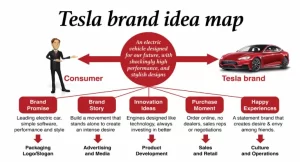
Tesla’s brand story is all about pushing the boundaries of what’s possible. From revolutionizing the electric car industry to leading the charge on sustainable energy, Tesla’s story is intertwined with Elon Musk’s personal mission to combat climate change and reduce humanity’s dependence on fossil fuels. When you buy a Tesla, you’re not just getting a car—you’re buying into a future where technology helps solve the world’s biggest challenges.
How to Tell Your Brand Story in Your Marketing
So, you have your brand, and now you need a story that sticks. Sounds easy, right? Well, kind of! But once you learn how, it’s like a secret marketing weapon. Let’s break it down.
Get Clear on What Your Brand Stands For
Storytelling, is way easier said than done right? What’s your mission? What are your values? It’s like you wouldn’t recount a story about yourself to someone without knowing the basics first. So, work out what makes you, you.
Tell a Real, Relatable Story
No one wants to hear a phony, fluff story. Your audience craves for something human. Perhaps it is about how you began your company in your garage (we’ve all heard those stories, haven’t we? Or perhaps it’s about how your product is helping people solve a genuine problem. Whatever it is, keep it real.
Select the Appropriate Platforms to Tell Your Story
You have a story now, so you need to share it! But there’s a bit of a caveat here: don’t just slap it on versus the wall and hope it to sticks. Choose the right platforms. Instagram’s perfect for pictures, blogs are good for the longer stories, and YouTube? Well, lets just say it’s great for the full-on story experience.
Keep It Simple and Fun
Don’t get so caught up in details. Be simple, clear and fun Attention spans are really extremely short. If you’re off on a ramble, you’re going to lose them. Make it snappy with eye-catching pictures and energetic copy.
Show How You Make a Difference
People will only remember you by the value you add to their lives at the end of the day. So show them! Demonstrate what your brand does for them, be it saving them time, helping resolve a problem or putting a smile on their face. The more you do that, the more you will resonate.
Practical Tips for Effective Brand Storytelling
Alright, now that we’ve covered the basics, let’s dive into some practical tips to make your brand story more compelling and memorable. After all, telling a great story is an art, but there are a few tried-and-true methods to help you do it well.
Keep It Simple and Clear
Not one of us like long and complex stories, especially in marketing. However telling your brand story, don’t over complicate it. No need for jargon and irrelevant etc. Your audience should be able to grasp the essence of your story in seconds. This is also where you get right down to the essence of why you do what you do and what’s in it for them.
Make It Visual
We humans are a visual breed, so it’s essential that your story is also. Use photos, videos, or designs that reflect your brand’s message. If you’re telling a story about environmental sustainability, for example, show visuals of nature or your environmentally sustainable processes at work. The visual elements make your story more captivating and striking. There’s even an opportunity to share your story via a short video that draws people in.
Be Authentic
Your audience knows when you’re being real. A true brand story is much more credible and trustworthy. Be upfront about who you are, what you stand for and your reason for being. If there is a little levity or imperfection in your brand story, that is fine! People prefer brands that are down to earth and relatable.
Focus on Emotions
Decision making relies on emotions, not purely cognitive processes. Your brand story should appeal to people’s emotions to ensure that it speaks to your audience. Joy, hope, inspiration, empathy — any detailed story connected to feelings will work.
Tell a Story of Transformation
People enjoy a good makeover. If you can demonstrate how your product or service has transformed lives — maybe it makes a person’s day smoother and easier; maybe it increases their health; perhaps it expands their business — that’s great storytelling. Your brand is positive impact, tell the before-and-after story.
With that in mind, you can get started making your own great brand story. Keep in mind that storytelling is not just about selling—it’s about connecting, engaging, and building relationships.
How DropSure Helps You Perfect Your Brand Storytelling
Okay, you have a killer brand story, now what? How do you ensure that story is consistently echoed through every point of contact you have with your customers? Enter DropSure.
Dropsure is more than just a platform for inventory management and ordered processing; it is a tool that keeps your products,inventory and orders in sync. Why is this relevant to your brand story? Because consistency is key.
A consistent story across every touchpoint for your brand – websites, social media, sales channels – reinforces the connection you are working to develop with your audience. With DropSure’s smart management features, your brand’s message will never be lost in translation!