








< Blogs

How to Choose a Fulfillment Partner for Your E-Commerce Business

Vivan Z.
Created on October 31, 2025 – Last updated on October 31, 20253 min read
Written by: Vivan Z.

How to Choose a Fulfillment Partner for Your E-Commerce Business

Choosing the right fulfillment partner is crucial for your e-commerce success. A great partner streamlines operations, enhances customer satisfaction, and supports business growth. Here’s a quick guide to help you find the perfect match.

Why It’s Important
A fulfillment partner manages logistics like warehousing, shipping, and inventory management. Choosing the wrong partner can lead to delays and lost customers, while the right one drives efficiency, reduces costs, and enhances your customer experience.

1. Understand the Types of Logistics Service Providers

  • 1PL: Direct logistics management between manufacturer and customer, ideal for smaller businesses.
  • 2PL: Asset-based carriers (e.g., shipping companies) handling transportation.
  • 3PL: Outsources parts of the supply chain, offering warehousing, distribution, and services like inventory management.
  • 4PL: Manages the entire supply chain with strategic and IT support for comprehensive logistics.
  1. What to Look for in a Fulfillment Partner


  • Services and Capabilities
    Look for partners that offer value-added services like kitting, assembly, and custom branding (e.g., packaging and marketing inserts).


  • Communication
    Frequent and transparent communication is crucial. Ensure your partner provides regular updates on inventory and order statuses to keep things running smoothly.

 

  • Scalability and Flexibility
    Your fulfillment partner must adapt to demand fluctuations, especially during peak seasons, without sacrificing service quality.


  • Technology Integration
    Ensure your partner’s systems (WMS, OMS) integrate seamlessly with your platform, enabling smooth operations and real-time data sharing.


  • References
    Ask for case studies or references to evaluate the partner’s reliability and effectiveness.


  1. The Payoff: Unpacking the Benefits of the Perfect Fulfillment Match
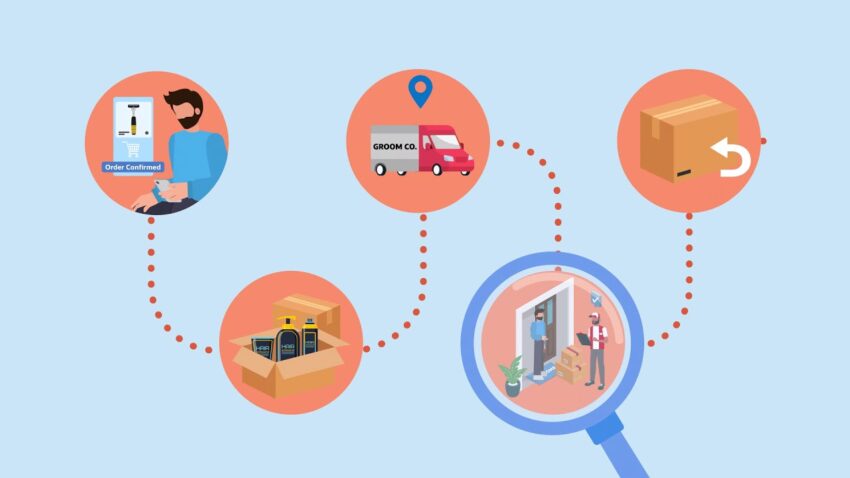
  • Cost Efficiency
    An ideal partner optimizes shipping costs, reduces transit times, and helps you cut shipping expenses while improving delivery times. This gives you a competitive edge.


  • Improved Operational Flexibility
    A reliable fulfillment partner can scale your operations as needed, ensuring you meet customer demand without compromising on service.


  • Enhanced Customer Satisfaction
    Timely and consistent deliveries build trust with customers and encourage repeat business.


  1. Access to Advanced Technology

The right fulfillment partner uses advanced technology to streamline operations:


  • Inventory Management Tools: Real-time tracking and accurate inventory management help avoid stockouts and overstocking.


  • Data Analytics: Insights that optimize your supply chain and reduce costs.


  • Automated Operations: Automation speeds up order processing and reduces errors.


  • Recommended Shipping Channels: Your partner can help identify the best shipping options based on cost, speed, and reliability.


  1. Risk Mitigation

An experienced fulfillment partner minimizes risks, including managing regulatory compliance, ensuring your business avoids legal complications.

  1. Market Expansion Opportunities

A partner with global reach helps expand your business internationally. With international logistics capabilities, your fulfillment partner supports your market growth beyond local borders.

Conclusion
Selecting the right fulfillment partner is essential for your business growth. At DropSure, we offer seamless logistics, advanced technology, and global reach to help your e-commerce business thrive. Ready to scale? Partner with DropSure today.


DropSure is Your Best Partner
22 Years Experience
Affiliate Rebates
100% Quality Guarantee
Top-Up Rewards
10+ Global Warehouses
Custom Branding Support
Smart inventory System
24/7 Customer Support
Get a Quote in 24 Hours
Start Sourcing for Free

Keep Learning

In today’s hyper-connected global economy, cross-border e-commerce is booming like never before. The dropshipping model — where online sellers list products without holding inventory — has made it easier for anyone to sell globally with minimal upfront costs. But while creating a store might take just a few hours, getting products delivered efficiently to international customers is where most sellers struggle. Late shipments, unclear tracking, customs delays, and frustrated buyers can quickly destroy trust and profit margins. That’s why mastering logistics timeliness and developing a smart shipping strategy is critical for sustainable success in cross-border dropshipping. In this comprehensive guide, we’ll break down: What makes cross-border logistics unique and complex. The key shipping methods used by global dropshippers. How delivery time affects customer satisfaction and profit. Strategies to reduce delays and costs. Real-world examples of winning fulfillment systems. Whether you’re selling on Shopify, Amazon, or your own platform, this guide will help you build a logistics system that’s fast, reliable, and scalable — the foundation of a profitable cross-border e-commerce business. 1. Why Cross-Border Logistics Is the Core of Dropshipping Success When you run a domestic e-commerce store, logistics is relatively simple: your supplier or warehouse ships within the same country — usually within 3 to 5 days. But once you go international, you’re facing: Multiple countries and customs regulations Different carriers and last-mile delivery systems Currency, tax, and documentation requirements Customers who expect Amazon-level delivery speed In short: cross-border logistics can make or break your business. A survey by Statista found that 62% of customers abandon a store after experiencing slow international shipping, and 54% expect real-time tracking updates. That means you’re not just selling products — you’re selling […]

Is Dropshipping Dead Nowadays? To put it simply: No, dropshipping is not dead—and it’s far from being on the decline. In fact, the global dropshipping market continues to grow at an impressive rate. According to Statista, the global dropshipping market was valued at $221.3 billion in 2022, and it is projected to reach $931.9 billion by 2030. These figures show that dropshipping is not just surviving, but thriving in the e-commerce ecosystem. Key Reasons Why Dropshipping is Still Alive and Well *E-commerce growth: Online shopping continues to surge globally. In 2023, global e-commerce sales were expected to surpass $6 trillion. As more people buy products online, the demand for low-risk, low-investment business models like dropshipping has only increased. *Accessibility and low entry barriers: Unlike traditional retail, dropshipping requires minimal upfront investment. You don’t need to invest in large quantities of inventory or worry about warehousing. This makes it an attractive option for many entrepreneurs. *Improved supplier networks: Countries like China have advanced their logistics and product manufacturing capabilities. Platforms such as AliExpress, Alibaba, and Dropsure are now more efficient, offering faster shipping times, better-quality control, and robust customer service. Comparing Dropshipping to Traditional Retail: As you can see, dropshipping is far less risky and requires much less capital than traditional retail models, making it ideal for entrepreneurs looking to enter the market with limited investment. Is Dropshipping Easy Now? In the past, dropshipping was considered easy—just find a supplier, set up a website, and start selling. However, the landscape has evolved, and now dropshipping is no longer as “easy” as it once was. Here’s why it’s more challenging: Increased competition: With platforms like Shopify, WooCommerce, and AliExpress making it easier […]

When it comes to cross-border e-commerce, your online store is basically your digital “business card”.If you can get more people to visit your “business card”, the more people who will see it, and the more traffic you get, the further your business can go. So, where does traffic for online stores come from? And how can you capture these traffic sources?Don’t worry! Today, we’ll break down the seven main sources of traffic for online stores and share 50 practical tips for generating leads to help you boost your traffic to new heights, no sweat! Whether you’re a beginner just starting out or an experienced operator struggling with a traffic bottleneck, this article will give you some great insights.Remember, traffic isn’t about luck – it’s about having a strategy and putting it into action!So, let’s dive in! Analysis of Seven Core Traffic Sources   So running an online store is a lot like running a physical shop, right? You need people to visit your website to make sales. But where does all this traffic come from? Don’t worry, we’re about to break down the seven main traffic sources and share tips on how to “unlock” their potential to bring more users to your online store. Let’s get started! Direct traffic Direct traffic is old friends who are familiar with your brand. Users who type in your website or bookmark your site directly show that they are already ‘in love’ with you. This kind of traffic comes from word-of-mouth and presence of your brand, such as adverts, customer referrals, or even your popularity on social media platforms. Want more people to come directly to you? Try making your brand ‘more visible’! Make your […]