








 10 min read
In the world of e-commerce, dropshipping has become the gateway for countless entrepreneurs looking to start an online business with low risk and minimal investment. No inventory. No warehouse. No upfront bulk buying. Sounds amazing, right?
But here’s the catch — your entire dropshipping business depends on one thing: your supplier.
Pick a good one, and your customers get their orders fast, quality stays consistent, and your store thrives.
Pick the wrong one… and you’ll drown in refunds, complaints, and one-star reviews.
In this comprehensive guide, we’ll break down how to find, evaluate, and choose a reliable dropshipping supplier, and most importantly — how to avoid scams and rookie mistakes that could destroy your business before it even begins.
1. Understanding the Role of a Dropshipping Supplier
Before diving into selection criteria, let’s make sure we’re clear on what a dropshipping supplier actually does.
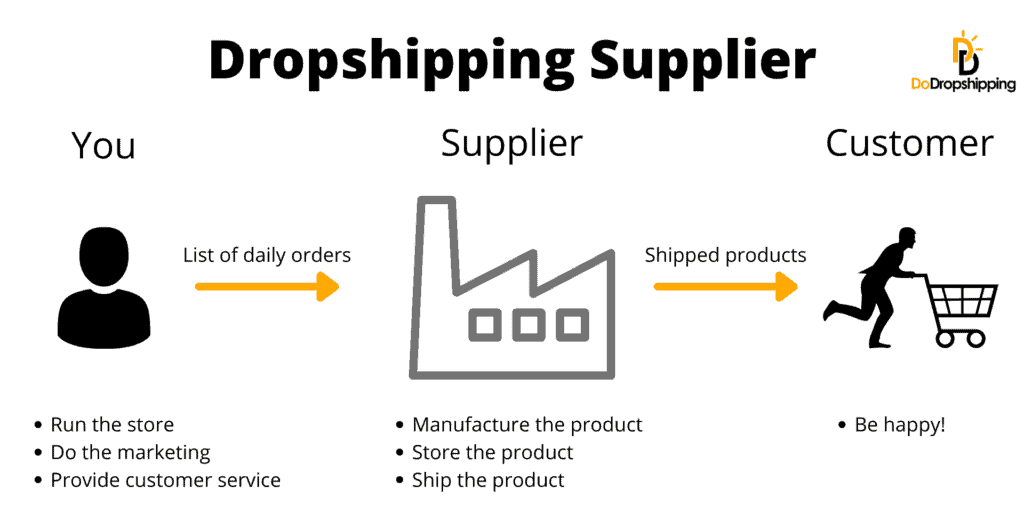
A dropshipping supplier is the bridge between your store and your customers. You handle marketing, customer service, and sales. They handle product storage, packaging, and shipping.
When a customer places an order on your website:
-
You forward the order details and payment to your supplier.
-
The supplier picks, packs, and ships the product directly to the customer.
-
You keep the profit margin between your retail price and the supplier’s cost.
Sounds simple — but it’s also a fragile system. If your supplier is unreliable, you lose control of your brand’s reputation, even if the problem wasn’t your fault.
That’s why choosing a trustworthy supplier is the single most important decision in your dropshipping journey.
2. The Hidden Risks of Bad or Fake Suppliers
Before learning how to find good suppliers, you must understand the red flags of bad ones.
The dropshipping world has its fair share of middlemen, scammers, and low-quality manufacturers.
Here are the most common risks you’ll face:
2.1 Fake “Suppliers” Who Are Just Middlemen
Some websites claim to be “wholesale suppliers,” but in reality, they’re just reselling products from other sources (like AliExpress) with added markups. You end up paying higher prices and slower shipping — killing your profit margins.
2.2 Poor Product Quality
Some suppliers ship cheap knockoffs that don’t match the product photos. When customers receive low-quality goods, you’ll face returns, refund requests, and negative reviews — even if you never touched the product.
2.3 Slow Shipping and No Tracking
Unreliable suppliers often take weeks to process orders and fail to provide tracking numbers. In the Amazon era of 2-day shipping, that’s a death sentence for your store.
2.4 Disappearing Acts
Yes, some “suppliers” vanish overnight after taking payment for bulk orders. Without due diligence, you might not even realize they’re unregistered companies.
2.5 Miscommunication
Language barriers, poor customer service, and unprofessional response times can cause shipment errors, lost orders, or mismatched inventory data.
The result?
Angry customers. Bad reviews. And eventually — a collapsed brand.
3. Where to Find Legitimate Dropshipping Suppliers
Now that you know the dangers, let’s explore where real, reliable suppliers can be found.
3.1 Online Supplier Directories
These are curated platforms that vet suppliers before listing them. Some trustworthy options include:
-
SaleHoo – Great for verified global suppliers.
-
Worldwide Brands – Offers a massive database of certified wholesalers.
-
Spocket – Focused on U.S. and EU-based suppliers with fast shipping.
-
DSers / AliExpress – Popular for beginners, though product quality varies widely.
3.2 Trade Shows and Industry Events
Attending events like the Canton Fair (China) or Global Sources Expo (Hong Kong) allows you to meet suppliers face-to-face, verify legitimacy, and negotiate better deals.
3.3 Manufacturer Websites
If you already know the type of product you want to sell, go directly to the manufacturer and ask whether they offer dropshipping or can connect you with an authorized distributor.
3.4 Local or Niche Distributors
For faster shipping and stronger brand positioning, consider local suppliers in your target market (especially if you sell to U.S. or EU customers).
4. How to Verify If a Supplier Is Legitimate
Here’s where many beginners fail. They find a “great-looking” supplier online, wire money, and then — silence.
To avoid that nightmare, always verify legitimacy before placing orders.
4.1 Check Business Credentials
Ask for the supplier’s:
-
Company registration number
-
Business license
-
VAT or tax ID
-
Official website and company address
A genuine supplier will share this information confidently.
4.2 Research Their Reputation
Search for their company name on Google + “scam,” “reviews,” or “complaints.”
Check forums like Reddit, Trustpilot, and Dropship Forum for honest user feedback.
4.3 Test Communication Quality
Send a few emails or chat messages before working together.
Reliable suppliers:
-
Respond within 24 hours
-
Communicate professionally
-
Provide clear answers (not vague promises)
4.4 Place a Sample Order
Never rely on pictures. Order the product yourself and check:
-
Packaging quality
-
Delivery time
-
Product accuracy and condition
It’s the cheapest insurance policy you can buy for your business.
4.5 Request Product Certifications
If you sell in categories like electronics, cosmetics, or baby products, ask for safety certifications (e.g., CE, RoHS, FDA).
Legitimate suppliers will have them — shady ones will dodge the question.
5. Key Criteria for Choosing a Reliable Supplier
When evaluating potential partners, use these seven critical factors:
5.1 Product Quality
Always start with the product. Ask for samples, check materials, inspect branding, and read online reviews.
Poor quality = high refund rates = brand death.
5.2 Processing Time
Fast order processing (ideally 1–3 days) shows professionalism and good logistics management. Avoid suppliers that need 7–10 days just to “prepare” shipments.
5.3 Shipping Options
Good suppliers offer multiple carriers (DHL, UPS, FedEx, ePacket, etc.) and provide tracking numbers.
5.4 Inventory Management
Ask how often they update stock data. You don’t want to sell items that are “out of stock” without warning.
5.5 Communication and Support
A supplier who replies fast and resolves issues quickly will save your business.
Test them with small problems — how they react says everything.
5.6 Return and Refund Policy
Make sure the supplier offers reasonable return terms and is willing to replace damaged goods.
5.7 Scalability
Can they handle 10x order growth if your sales skyrocket?
Reliable suppliers should be ready to grow with you — not collapse under pressure.
6. Avoiding the Top 5 Supplier Scams
Let’s get real: the dropshipping space attracts opportunists. Here are the most common traps — and how to avoid them.
6.1 The “Wholesale Fee” Scam
Real suppliers make money by selling products, not by charging “membership” or “setup” fees.
If someone demands $200 upfront before you even order — run.
6.2 Fake Brand Authorization
Some suppliers claim they can sell branded goods (like Nike or Apple).
They can’t. You’ll end up selling counterfeit products, risking lawsuits and store bans.
6.3 The Too-Good-to-Be-True Pricing
If a product costs 70% less than everywhere else, it’s probably fake, stolen, or low quality.
Always compare average market prices before committing.
6.4 No Contact Information
If a supplier hides behind a Gmail address and has no phone number or address, assume it’s a scam.
6.5 “We’ll Handle Everything” Promises
Overly eager suppliers who want full control (e.g., payment collection, customer management) are red flags. You’re the store owner — never outsource ownership.

7. Building a Strong Relationship With Your Supplier
Once you’ve found a reliable supplier, don’t treat them as disposable. Treat them like a business partner.
7.1 Communicate Regularly
Stay in touch about inventory, new arrivals, and upcoming holidays that could delay shipping.
7.2 Negotiate Better Terms
After consistent sales, you can negotiate:
-
Lower prices
-
Faster shipping
-
Priority stock access
7.3 Be Professional
Pay on time. Give constructive feedback. Don’t vanish after one order.
A good relationship = better support when problems arise.
7.4 Diversify Your Supplier Network
Even the best supplier can run into issues. Always have backup suppliers for your top-selling items to avoid stockouts.
8. Recommended Tools for Supplier Research and Management
To simplify your supplier vetting process, consider using these helpful tools:
-
Alibaba Trade Assurance – Protects your payments and orders.
-
CJ Dropshipping – Integrates with Shopify and offers product sourcing.
-
DSers – Automates order management across AliExpress.
-
Google Lens / TinEye – Helps detect fake product images.
-
Jungle Scout or Helium10 – Analyze market demand before sourcing.
These platforms help you avoid scams, streamline communication, and maintain a professional workflow.
9. Warning Signs You Need to Change Suppliers
Even a once-reliable supplier can decline in quality. Watch for these signs:
-
Frequent shipping delays
-
Increased product defects
-
Poor communication
-
Missing tracking numbers
-
Unjustified price hikes
When this happens, don’t wait for disaster — start testing alternatives before customer complaints pile up.
10. Final Checklist Before Signing a Supplier Agreement
Before committing long-term, make sure you’ve checked:
✅ Business license verified
✅ Sample orders tested and approved
✅ Product quality matches listing
✅ Clear refund/return policies
✅ Fast response and English communication
✅ Transparent shipping and tracking
✅ Positive reviews or references
If all these boxes are ticked, congratulations — you’ve found a reliable dropshipping partner.
Conclusion: The Supplier Makes or Breaks Your Business
In dropshipping, your supplier isn’t just a vendor — they’re the silent engine driving your reputation, reliability, and customer satisfaction.
A trustworthy supplier can help you scale from side hustle to six-figure store.
An unreliable one can destroy that dream overnight.
So take your time. Do your homework. Place test orders.
Because in the end, dropshipping success isn’t about luck — it’s about choosing the right partner behind the scenes.
Your customers might never know who ships their package — but they’ll definitely know when something goes wrong.
Choose wisely, stay professional, and your dropshipping business will not only survive but thrive.