








 9 min read
In the world of dropshipping, traffic is everything. Your store can have beautiful product pages, well-priced items, and excellent fulfillment, but without consistent, targeted traffic, nothing moves. For many dropshippers, Facebook Ads remain the most reliable, scalable, and controllable channel to acquire new customers—if you know how to use them the right way.
But here’s the challenge:
-
Facebook Ads cost more than they used to.
-
Competition is harsher.
-
Ad fatigue is real.
-
CPMs are rising every year.
-
Most beginners burn money without understanding the algorithm.
The good news?
If you follow the right structure—data-driven testing, audience segmentation, optimized creatives, and a scalable campaign structure—you can double your dropshipping store orders, sometimes within 30–60 days.
This comprehensive guide will teach you exactly how.
1. Why Facebook Ads Still Work for Dropshipping in 2025
Despite TikTok, Snapchat, YouTube Shorts, and influencer marketing all gaining momentum, Facebook Ads remain the most powerful system for dropshipping—especially for stores selling in the U.S. and Europe. Here’s why:
1. Massive user base with purchase intent
Facebook and Instagram combined give access to billions of daily users. More importantly, Meta’s algorithm is specifically designed to predict what people will buy.
2. Unmatched targeting power
Facebook still offers the most advanced ad delivery system ever created:
-
Interest targeting
-
Behavior targeting
-
Lookalike audiences
-
Custom audiences
-
AI-powered Advantage+ audiences
Every serious dropshipper still relies on Meta Ads for scaling.
3. Visual formats perfect for impulse purchases
Dropshipping thrives on:
-
eye-catching videos,
-
UGC-style ads,
-
scroll-stopping creative hooks.
Facebook and Instagram are built for this.
4. Best scaling capabilities
When you find a winning product + creative, Facebook can scale it to $1,000/day, $5,000/day, or $10,000/day, something that most platforms cannot do as reliably.
2. The Biggest Reasons Dropshippers Fail With Facebook Ads
Before we get into strategies, we must address the root problems.
❌ Problem 1: Wrong campaign structure
Beginners often run:
-
too many ad sets
-
too many broad audiences
-
too many random interests
-
no budget consolidation
This confuses the algorithm and wastes data.
❌ Problem 2: Low-quality video creatives
Facebook is not about targeting anymore—
it’s about creatives.
If your video is weak, it doesn’t matter what your targeting is. The algorithm throttles you.
❌ Problem 3: No proper testing system
Beginners often:
-
test only 1–2 creatives
-
quit too early
-
scale too early
-
change campaigns too frequently
-
use wrong metrics to judge performance
A consistent testing framework is how you find real winners.
❌ Problem 4: Product pages are not optimized
Even with good ads, many stores leak sales because of:
-
slow load times
-
unclear product value
-
weak copy
-
no trust badges
-
no reviews
-
bad shipping policies
Your website must convert, or the ads won’t scale.
3. Step-by-Step Strategy to Double Orders With Facebook Ads
This is the exact system used by 7-figure dropshippers.
We’ll break it down into:
-
Product research
-
Creative production
-
Campaign setup
-
Testing phase
-
Optimization
-
Scaling
-
Retargeting
-
Post-purchase upsells
-
Long-term ROI boosters
Let’s dive in.
4. Step 1: Product Research — Choose Items That Work With Facebook Ads
Not every product is suitable for Facebook. Good “Facebook products” share certain traits:
✔ Visual appeal
If a product doesn’t look interesting, the scroll stops.
✔ Clear problem-solving
Facebook users love:
-
cleaning gadgets
-
fitness tools
-
kitchen hacks
-
pet accessories
-
LED lights
-
health & posture tools
✔ Unique or not easily found in stores
If your product is easy to find on Amazon for cheaper, conversion drops.
✔ Affordable price point
Ideal Facebook ad price range:
-
$19.99 — $59.99
Higher-priced items work, but require better videos and longer funnels.
✔ Strong before-after contrast
Facebook loves transformation videos.
✔ Broad audience appeal
If only 0.2% of people want your product, Facebook optimization is harder.
Use these sources for research:
-
TikTok Creative Center
-
Meta Ads Library
-
Amazon Best Sellers
-
AliExpress Dropshipping Center
-
Dropshipping communities
-
Competitor stores
If you pick the right product, ads become easier.
5. Step 2: High-Quality Creatives — The True Secret to Doubling Orders
? Creatives now matter more than targeting.
Even average products can win with great videos.
Even great products die with bad videos.
You need multiple creatives for your testing phase.
Types of creatives that work best:
1. UGC (User-Generated Content)
Real people showing how they use your product.
2. Problem-solution videos
Start with a pain point, then show how the product solves it.
3. Before-after transformations
Perfect for fitness, cleaning, home improvement, beauty, etc.
4. Demo & tutorial videos
Show the product in action—no fluff.
5. Unboxing videos
Psychologically triggers purchase curiosity.
The Perfect 10-Second Creative Formula (Proven)
TikTok-style, high attention, optimized for Facebook:
-
0–2 seconds: Hook
-
“Tired of your dog scratching your furniture?”
-
“This gadget saved me HOURS every week.”
-
-
2–6 seconds: Demonstration
-
Show the most impressive use-case.
-
-
6–9 seconds: Benefits in action
-
Keep it visual.
-
-
9–12 seconds: Call to action
-
“Get yours today.”
-
“Limited stock.”
-
Shorter ads often outperform longer ads due to Facebook’s algorithm favoring watch-through rates.
6. Step 3: Campaign Setup — Build a Data-Friendly Foundation
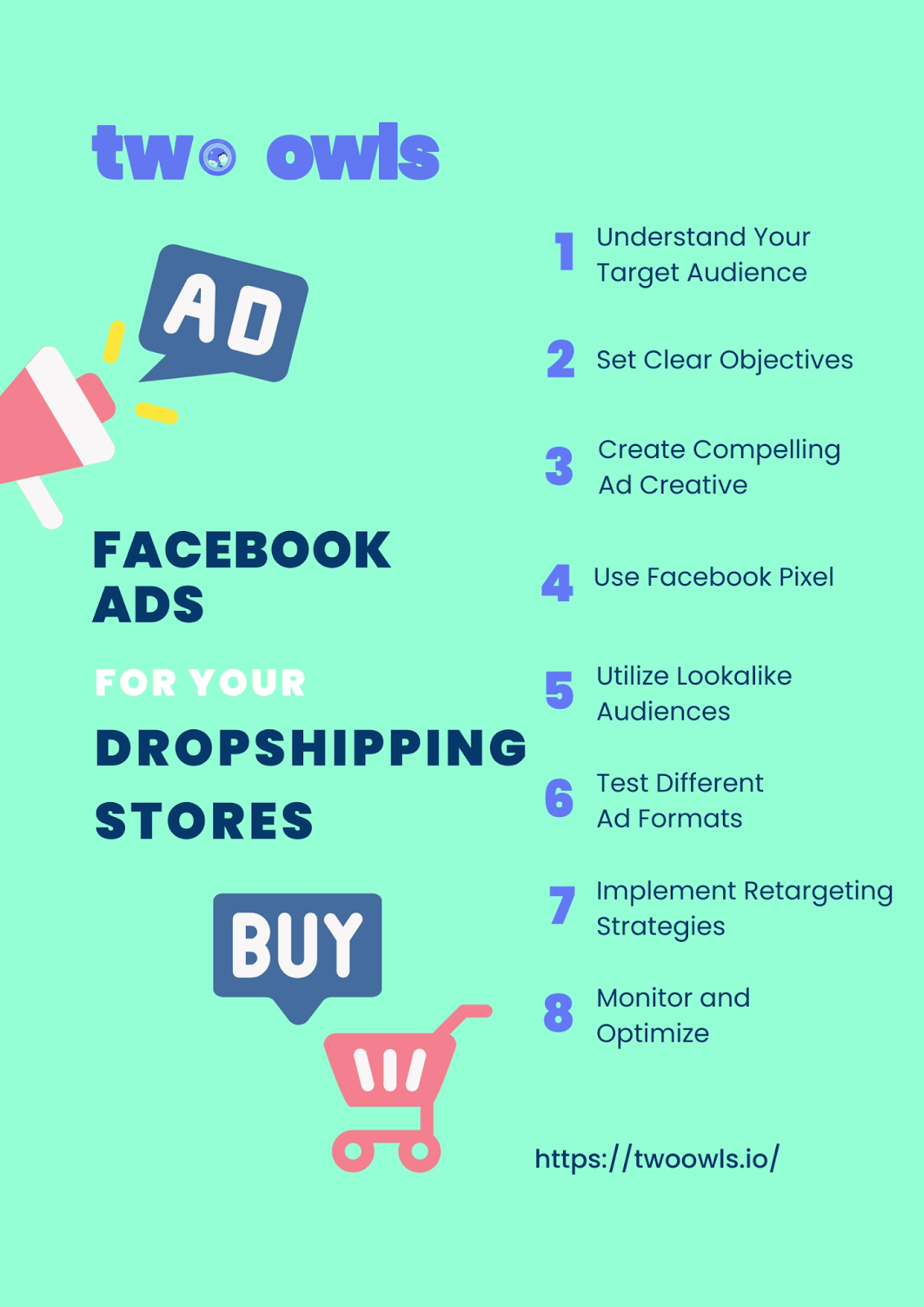
Use this campaign structure:
A. Testing Campaign (for Creative Testing)
-
Objective: Sales (Conversions)
-
Optimization: Purchase
-
Budget: $20–$50 per ad set
-
Audience: Broad (18–65+, no interests)
-
Ad sets: 1
-
Creatives: 3–5 videos
This lets Facebook decide which creative appeals most.
B. Validation Campaign (for Audience Testing)
Once you find your best creative, test audiences:
-
3–10 ad sets
-
Each with different broad or interest targeting
-
Same winning creative(s)
This tells you where your CPM and CPA are lowest.
C. Scaling Campaign (Once CPA Under Control)
Use:
-
Advantage+ Shopping Campaigns (ASC)
-
Budget: 50–500/day per campaign
ASC is the best scaling tool in Facebook Ads today.
7. Step 4: The Testing Phase — Find Your Winning Creative
Test KPI (Key Performance Indicators):
| Metric | Good | Bad |
|---|---|---|
| CTR (Link Click-Through Rate) | >1% | <0.7% |
| CPC (Cost Per Click) | <$1 | >$2 |
| CPM | <$15 | >$20 |
| ATC (Add to Cart) | Many | Few |
| CPP (Cost per Purchase) | <$30 | >Product margin |
If CTR is low, your hook is weak.
If CPC is high, the video is too boring.
If ATC is high but no purchases, your website is the problem.
8. Step 5: Optimize — Fix What Is Killing Your Conversions
If people click but don’t buy → Website problem
Fix:
-
Page speed
-
Product title
-
Description clarity
-
Pricing
-
Shipping info
-
Reviews
-
Checkout UX
If people don’t click → Creative problem
Fix:
-
Stronger hooks
-
Better demonstration
-
More dramatic problem-solving
-
Faster pacing
-
Better music
If CPM is too high → Audience or ad quality issue
Fix:
-
Use broad targeting
-
Improve video quality
-
Use ASC campaigns
9. Step 6: Scaling — The Good Part (How You Actually Double Orders)
Once you have a winning creative + controlled CPA, follow this exact scaling plan.
A. Vertical Scaling (Increase Budget Slowly)
Increase budget by:
-
20–30% every 48–72 hours
Never double budgets instantly—it resets learning.
B. Horizontal Scaling (Duplicate Ad Sets)
Create:
-
3–6 copies of winning ad sets
-
Different audience segments
-
Same creatives
More pockets of buyers = more stable scaling.
C. ASC (Advantage+ Shopping Campaign)
This is Meta’s strongest purchase-driving campaign.
Settings:
-
Most budget allocated here
-
Add your best creatives
-
Add 1–3 proven audiences
ASC can scale from:
-
$100/day
to -
$10,000/day
with minimal volatility if your creatives remain strong.
D. International Scaling
Once your ads win in the U.S., expand to:
-
Canada
-
UK
-
Australia
-
Germany
-
France
-
Middle East
International scaling increases total orders fast.
10. Step 7: Retargeting — Recover Up to 30% of Your Lost Sales
Retargeting is simple but essential.
Create a Retargeting Campaign with:
-
People who watched 50%+ of your video
-
People who added to cart
-
People who visited checkout
-
People who messaged your page
Retargeting ad types:
-
Scarcity (limited stock)
-
Social proof (reviews, testimonials)
-
UGC (“I love this product!”)
-
Discounts (optional)
You should spend:
-
5–15% of your total ad budget on retargeting.
11. Step 8: Post-Purchase Upsells — Double Profit Without More Ad Spend
Upsells can increase profit by 20–40%.
Use:
-
One-click upsell apps
-
Accessory bundles
-
“Buy 2, get 10% off”
-
Subscriptions for consumables
Your AOV (average order value) is crucial for scaling.
12. Step 9: Long-Term Strategies That Keep Your Orders Growing
✔ Build an email list
Recovered customers = pure profit.
✔ Build a remarketing audience
The more warm traffic, the cheaper scaling becomes.
✔ Capture customer reviews
UGC + social proof massively improves conversions.
✔ Refresh creatives every 1–2 weeks
Ad fatigue kills performance faster than anything.
✔ Test new products monthly
A store with 1 winning product is good.
A store with 3–5 winning products is unstoppable.
13. Case Study: How One Dropshipper Doubled Orders in 30 Days
A real scenario from thousands of dropshippers:
Week 1: Testing Phase
-
5 creatives
-
1 winning video (CTR 2.1%)
-
CPA stable at $14
Week 2: Optimization
-
Updated landing page
-
Added testimonial reviews
-
Improved product title
-
CPA dropped to $11
Week 3: Scaling
-
Launched ASC
-
Budget increased from $50/day to $300/day
-
Orders increased from 10/day → 25/day
Week 4: Retargeting + Upsells
-
Retargeting added +4 extra daily orders
-
Upsell increased AOV by $7
-
Total revenue doubled within a month
14. Final Thoughts — Yes, You Can Double Your Orders With Facebook Ads
Facebook Ads are not dead.
They’re not too saturated.
They’re not too expensive.
The truth is simple:
Most dropshippers fail because they don’t follow a real structure.
If you implement:
-
a strong testing system
-
data-driven optimizations
-
high-quality creatives
-
ASC scaling
-
retargeting
-
upsells
Your store can double its orders within weeks.