








 8 min read
Is Dropshipping Still Worth It Today?
Absolutely! Dropshipping continues to be a solid choice in the e-commerce world, and the market is far from slowing down.
In fact, recent studies show that the global dropshipping market is projected to grow at a compound annual growth rate (CAGR) of 28.8% from 2021 to 2026, reaching a value of $557.9 billion by 2026. (The data based on market research reports from Grand View Research)This growth is driven by increasing demand for online shopping and the convenience dropshipping offers to both sellers and buyers.
With more tools and platforms available than ever before, it’s even easier to start and scale your dropshipping business today.
So, whether you’re just curious or ready to dive in, there are plenty of opportunities to make dropshipping work for you!
Why is dropshipping still popular in 2024?
If you want to see how popular “dropshipping” is, and want to know is dropshipping working. Google Trends is a great tool for you. Just take a look at the chart, and you’ll notice that the search term “dropshipping” has grown a lot over the last five years. Sure, there have been some ups and downs, but overall, the trend is climbing steadily.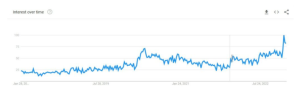
Now, let’s talk about the market size. In 2024, the global dropshipping market hit $351.8 billion, up 23.6% from last year. Experts say that from 2020 to 2026, it’s going to grow at an average rate of 24.39% per year. By 2026, it’s expected to pass $500 billion. Grand View Research shows that as more people prefer online shopping, dropshipping is getting more and more popular. It’s a great chance for entrepreneurs—they can start their own business without ever physically touching the products.
But here’s the thing—there is also a lot of people out there claiming dropshipping is a ‘get-rich-quick’ scheme. This kind of hype attracts attention, but remember, just like any business, it’s not a shortcut to overnight success, eventhough this is possible for some.
Is Dropshipping Hard?
So, dropshipping sounds awesome, right? But like any business, it comes with its own set of challenges. Some people also want to know is dropshipping profitable. Don’t worry, though—knowing what to expect, like competition and profit margins, can help you stay ahead and make the most of this exciting opportunity!
High Competition
Since dropshipping has low entry barriers, the market can become crowded, making it challenging to stand out from other sellers offering similar products.
Thin Profit Margins
With low startup costs, many businesses jump in, which can drive prices down. This often results in thin profit margins, so it’s essential to find unique products or build a strong brand to stay competitive.
Supplier Reliability
As a dropshipper, you rely heavily on your suppliers for product quality, packaging, and shipping. If they fail to meet standards, it can impact your reputation and customer satisfaction.
Limited Control Over Inventory
Because you don’t hold inventory, it’s possible for products to go out of stock without warning, which could affect your sales and customer experience.
Despite these challenges, dropshipping remains a viable and profitable business model if you’re willing to strategize, build a strong brand, and work with reliable suppliers.
Benefits to Start a Dropshipping Business
Even though dropshipping has its challenges, the good news is that the benefits far outweigh the risks! Let’s dive into why dropshipping is still one of the best ways to start a business and how it can set you up for success with minimal risk.
 Low Startup Costs
Unlike traditional retail businesses, dropshipping does not require you to buy inventory upfront. This means you can start your business with minimal capital, making it accessible to almost anyone. You only pay for the products when you make a sale, which keeps initial expenses low.
 Flexible Business Model
Dropshipping allows you to manage your business from anywhere, as long as you have an internet connection. Whether you prefer working from home, a café, or while traveling, you have the freedom to run your store without being tied to a physical location.
 Easy Market Testing
Because you do not have to commit to large amounts of stock, you can quickly test new products or enter different markets with minimal risk. This makes it perfect for gauging customer interest and adjusting your product lineup based on real-time feedback. Zero Inventory Management
Since suppliers handle the storage and shipping of products, you don’t have to worry about managing warehouses or dealing with unsold stock. This zero-inventory approach reduces operational complexity and costs, making business management straightforward and efficient.
Is Dropshipping Legal?
Yes, dropshipping is totally legal! However, like any business, it’s important to be familiar with local laws and regulations before getting started. Some countries may have specific restrictions or requirements, so always do your research to ensure you’re complying with all the rules in your area. We all know you want to make money by dropshipping, but you will still need to keep an eye on the law and don’t touch it.
How much money is needed to start dropshipping?
Starting a dropshipping business can be almost cost-free because you don’t need to buy inventory upfront—you only pay for products when customers order. Many e-commerce platforms offer free trials, and you can use free marketing methods like social media and SEO to promote your store. Suppliers typically don’t require prepayment, and there are plenty of free apps to manage operations, keeping initial costs low and making it an easy way to start selling online.
How to Make Money with Dropshipping?
Ready to make the most out of dropshipping? Here are some key strategies that can help you maximize your profits and grow your business efficiently:
Partner with Reliable Suppliers
Work with suppliers who provide quality products and fast shipping. A good supplier ensures customer satisfaction, leading to repeat business and positive reviews.
Find a Profitable Niche
Focus on products that are in high demand but have low competition. This helps your store stand out and attracts more targeted customers.

Build a Strong Online Presence
Use social media platforms and targeted ads to reach your audience. The more visibility your store has, the more sales opportunities you create. Optimize Your Marketing Strategy
Invest time in SEO, email marketing, and promotions to maximize your reach and drive traffic to your store. A solid marketing strategy helps boost sales and grow your business.

Test and Refine Your Product Lineup
Stay flexible by testing different products and adjusting your offerings based on market trends and customer feedback. This keeps your store fresh and relevant.
Final Words!
So, if someone asks, “Is dropshipping dead?” you can confidently say, “Absolutely not!” With the booming e-commerce industry and a growing global reliance on online shopping, dropshipping is here to stay. The chances of it disappearing anytime soon are practically zero.
If you’re thinking about starting your own dropshipping business, take some time to research, find trending products, and get started! Not sure how to start? Check out our post on the “What is Dropshipping & How to Start ” and start your journey today. Still deciding on products? Our guides on “The 8 Tips to Know When Choosing Dropship Products” have got you covered.