< Blogs

Shopify or WordPress: Which One is Better for Dropshipping?

Vivan Z.
Created on November 21, 2024 – Last updated on February 6, 20255 min read
Written by: Vivan Z.

Shopify vs WordPress

If you’re starting a dropshipping business, Shopify and WordPress are two popular platforms to choose from. Both have their strengths and weaknesses, but the right one depends on your skills, business needs, and future plans. Let me break it down in simple terms to help you decide.


Shopify: Easy and Perfect for Beginners

Shopify

Shopify is made for e-commerce, and it’s super simple to use. Don’t know coding? No problem! Shopify has tons of ready-to-use templates. It’s like building with Lego blocks—you just drag, drop, and create your store. It comes with built-in tools for payments, shipping, and managing orders. This saves you time and lets you focus on selling.

shopify template

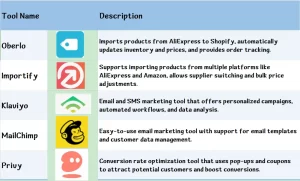
Shopify also has a massive app store. You’ll find tools like Oberlo and Importify to quickly add products, Klaviyo and MailChimp for email marketing, and Privy or Upsell to boost sales. These apps make dropshipping smooth and stress-free.
tools

But Shopify isn’t cheap. The basic plan starts at $29/month, and as your store grows, you might pay more, especially if you use third-party payment gateways. Also, if you want very specific designs or functions, Shopify can feel limiting.


WordPress: Flexible and Powerful, but Needs Tech Skills

Wordpress

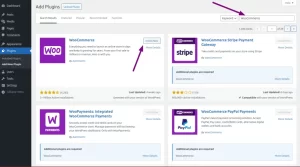
WordPress, on the other hand, is a powerful option if you want more control. By adding the WooCommerce plugin, you can turn WordPress into a full e-commerce platform. The biggest advantage? Flexibility. You can design your store however you like and customize features such as payment methods or shipping options.
Woocommerce
Searching and showing the WooCommerce plugin via the Add Plugin WordPress screen.

WordPress is open-source, meaning there are endless plugins and resources available. It’s also cheaper—just pay for hosting and a domain, which costs less than Shopify’s monthly fees.

But here’s the catch: WordPress is not beginner-friendly. If you’re not tech-savvy, setting up plugins, payment systems, and optimizing your site can be overwhelming. And when things go wrong, there’s no centralized support. You’ll need to figure it out yourself or rely on online forums.


Who Should Choose Shopify?

Shopify is perfect if you’re new to e-commerce or want to start fast. It’s simple, has everything you need in one place, and their support team is always there to help. You can focus on selling without worrying about technical stuff.


Who Should Choose WordPress?

Go with WordPress if you know a bit about websites or don’t mind learning. It’s highly customizable and great for unique designs or features. Plus, it’s cheaper long-term. If you’re planning to scale and want full control, WordPress is a smart choice.


Which Platform Has Lower Long-Term Costs: Shopify or WordPress?
dropshipping

When comparing Shopify and WordPress, WordPress generally has lower long-term costs, especially if you manage your site efficiently. Here’s why:


WordPress: Lower Long-Term Costs

No Ongoing Subscription Fees
WordPress itself is free. You’ll only pay for hosting (starting around $5–$15/month), a domain (around $10–$20/year), and any plugins or themes you choose to add. Many plugins are free or have affordable one-time fees.

Customizable for Budget
WordPress allows you to scale costs based on your needs. If you’re on a budget, you can use free plugins and themes. As your business grows, you can invest in premium tools without paying a fixed monthly fee.

No Transaction Fees
WordPress doesn’t charge transaction fees unless you use certain payment gateways that have their own fees. You’ll save more as your revenue grows.


Shopify: Higher Costs Over Time

Monthly Subscription Fees
Shopify starts at $29/month and can go up to $299/month for advanced plans. These fees are unavoidable as long as you use the platform.

Transaction Fees
If you use a third-party payment gateway (like PayPal or Stripe), Shopify takes an additional transaction fee (0.5%–2%), which can add up as your sales increase.

App Costs
Many Shopify apps require monthly fees, and these can stack up quickly if you need multiple tools for your store.


Final Advice

If you’re a beginner, Shopify is the way to go—easy, quick, and hassle-free. If you’re more experienced or willing to learn, WordPress gives you more flexibility and control. Either way, pick the one that fits your needs, and take the first step toward building your dropshipping business. Success is waiting for you!

Buttom

DropSure is Your Best Partner
22 Years Experience
Affiliate Rebates
100% Quality Guarantee
Top-Up Rewards
10+ Global Warehouses
Custom Branding Support
Smart inventory System
24/7 Customer Support
Get a Quote in 24 Hours
Start Sourcing for Free

Keep Learning

In New Zealand, as online shopping becomes increasingly mainstream and the local environment continues to support small businesses, more and more entrepreneurs are turning their attention to Dropshipping—a low-cost, highly flexible e-commerce model. This business approach doesn’t require you to hold inventory or invest a large amount of startup capital. With just a computer and a stable internet connection, you can run your own online store from the comfort of your home. For Kiwis looking to build a side hustle or generate online income, it’s an especially attractive option. As long as you know how to select products that match market demand, and pair them with basic branding and marketing strategies, Dropshipping can become your gateway to carving out a spot in the competitive e-commerce space. In this article, we’ll walk you through how the business model works, the steps to setting up your store, and the key pros and cons—so you can confidently take your first step into New Zealand’s growing dropshipping landscape. What is Dropshipping? In New Zealand, dropshipping has become an increasingly popular online retail model, especially among aspiring entrepreneurs. The biggest appeal? You don’t need to purchase inventory upfront or hold stock—you can run a full-fledged online store from home without investing a large amount of capital. Compared to traditional retail, dropshipping has a much lower barrier to entry and offers greater flexibility, making it ideal for those with limited startup funds or people looking to build a side hustle while balancing work and family life. The process is straightforward: set up an online store (popular platforms include Shopify, WooCommerce, and even local sites like Trade Me), choose products from a supplier, and upload the product information […]

Many foreign traders are using LinkedIn as a social platform to a greater or lesser extent, but everyone uses it in a different way and in a different depth. Some people use it as a tool to analyse customer information, some people use it to promote and attract traffic, some people use it to find customers’ emails, and some people make it an efficient customer development tool. Today, I want to talk to you: how I make LinkedIn the secret of inquiry (order) production line, and how to make full use of LinkedIn to achieve the ultimate goal of developing foreign customers, marketing and promoting products. If you can follow my ideas and methods, and take care of your LinkedIn account, then soon you will be in the same state when you open LinkedIn every day: ● A rich source of clients through LinkedIn; ● A steady stream of valid enquiries; More importantly, you will have a ‘traffic pool’ of your own, which has sustainable value growth, and a persuasive and good personal brand image. An Introduction to LinkedIn Before the formal explanation, let’s first learn about LinkedIn: LinkedIn is dedicated to providing a communication platform to the world’s working professionals and assisting them to utilise their strengths and build exclusive connections. As a global professional social networking site, LinkedIn has more than 500 million members worldwide. Here you can easily build your professional image, gain business insights, expand your professional network and discover more career opportunities. We know that LinkedIn’s positioning is a professional social networking site, so we need to fit the positioning of LinkedIn to present ourselves, and know how to shape and present our professional attributes, […]

Curious about the cost of starting a dropshipping business in 2024? You might be surprised! Whether you’re keeping things budget-friendly or looking to scale quickly, this guide breaks down the key expenses you’ll need to plan for. From hidden supplier charges to the best marketing tactics, you’ll find out how to boost your profits while keeping costs down. Want to know how much (or how little) you might spend getting started? Dive in to learn more Start-up Basic Expense As you embark on your eCommerce journey, some expenses are unavoidable, whether you’re launching a dropshipping store or any other type of online business. Let’s explore some of the most common startup costs. Business registration and licence filling fees eCommerce platform and marketplace fees Domain and hosting costs Marketing costs Product sourcing costs ● Business registration and license filing fees “You might wonder: I just want to start a dropshipping side hustle—do I really need to register a business? While it’s not always mandatory, registering your business offers several benefits and protections. When creating a dropshipping business, business registration and license filing fees are an essential start-up expense. Depending on your location and business structure, these fees can vary. Typically, registering a business name and obtaining necessary licenses can range from $50 to $500. For online businesses, you might also need to apply for specific permits or licenses related to e-commerce, depending on local regulations. It’s important to research the requirements in your area to ensure compliance and avoid legal issues down the road. Tips: Choose the business license that matches your needs—like a Seller’s Permit for selling products or a DBA for using a different business name. Check local regulations or […]