 8 min read
Dropshipping has gained popularity as an easy entry point into e-commerce. Its appeal lies in low upfront costs, no inventory management, and the promise of flexibility. But is it truly the goldmine that marketers claim it to be?
Dropshipping has some benefits, but it also comes with many challenges. These challenges can make it a tough choice for new entrepreneurs. In this blog, we’ll dive into eight reasons: Why Dropshipping Could Be a Significant Misstep.
8 Reasons Why Dropshipping Is A Bad Idea
Low Profit Margins
One of the most significant drawbacks of dropshipping is the razor-thin profit margins. Unlike traditional retail, where you can buy in bulk for discounts, dropshipping usually means buying single items. Retailers often sell these items at retail or near-retail prices.
Now compare this to a traditional retailer who buys the same product in bulk at $5 per unit. They can sell it at $20 and enjoy a $12 profit after expenses. This big difference shows why dropshipping can be hard to grow. This is especially true if you want to make a lot of money.
This is one of the main reasons why dropshipping is bad for many new entrepreneurs. It often does not provide the promised profits.
High Competition
Dropshipping’s low barrier to entry is both a blessing and a curse. Since anyone can start with minimal investment, sellers offering identical products have oversaturated the market. Let’s take Amazon as an example:
– Search for a simple item like a “yoga mat” on Amazon.
– You’ll find dozens of nearly identical listings, often undercutting each other by mere cents.

This tough competition lowers prices. It makes it hard to stand out unless you spend a lot on branding and marketing. Many entrepreneurs believe that dropshipping is a bad option. Not a good choice for those who want to quickly create a profitable business.
Lack of Control Over Inventory
Dropshipping relies on third-party suppliers to manage inventory, which can lead to unforeseen issues. For instance, if your supplier runs out of stock, you may not know until after a customer places an order. This can result in canceled orders, disappointed customers, and negative reviews. Consider this real-world scenario:
– A dropshipper selling trendy phone cases during the holiday season faces a sudden stock shortage from their supplier.
– Customers waiting for gifts are left empty-handed, resulting in refund requests and a damaged brand reputation.
Compared to traditional retailers, dropshipping businesses have little control over inventory, which can frustrate customers. For anyone asking, “is dropshipping a good idea?”, this lack of control is a major downside.
Quality and Shipping Issues
When you don’t handle products directly, you have no control over their quality or shipping process. Here’s a striking comparison:
– A traditional retailer inspects every item before shipping, ensuring customers receive what they expect.
– A dropshipper relies on the supplier, who might ship items directly from overseas warehouses without quality checks.
Shipping times can also be a deal-breaker. For example:
– A customer orders a t-shirt and expects it within a week.
– The supplier, based in China, takes 30 days to deliver. By the time the package arrives, the customer has already demanded a refund.
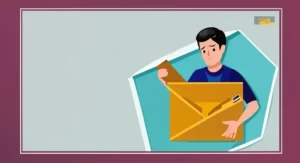
This shows why dropshipping is not good for keeping customers. Building trust is hard when you can’t control quality or delivery times.
Customer Service Challenges
Customer service is where dropshipping can truly test your patience. Since you’re not handling the products, resolving issues like damaged goods or incorrect orders requires coordination with the supplier. Here’s an example of how this plays out:
– A customer receives a faulty Bluetooth speaker and requests a replacement.
– You contact the supplier, who takes a week to respond and another two weeks to ship a replacement.
– By the time the issue is resolved, the customer has left a scathing review online.

Compare this to a business with in-house inventory that can ship a replacement immediately, ensuring customer satisfaction. These delays are another reason an online business may not be a good choice for some entrepreneurs. They value control and customer experience.
Dependency on Suppliers
Dropshipping businesses are entirely dependent on their suppliers. If a supplier stops making a product, changes their rules, or goes out of business, your operations can stop.
Here’s an example:
– Imagine you’ve built a thriving business selling custom mugs sourced from a single supplier.
– One day, the supplier shuts down without warning. Finding a new supplier with similar products, prices, and quality might take weeks. This could leave your store inactive and customers frustrated.
In contrast, businesses with different suppliers or their own inventory are less affected by these disruptions. This heavy reliance on suppliers explains why dropshipping could be a bad idea for those who want stable operations.
Difficult Scaling
Scaling a dropshipping business is not as straightforward as it seems. While it’s easy to add new products to your store, managing increased order volumes brings its own set of challenges. Consider this comparison:
– A small dropshipping store handles 10 orders per day with relative ease.
– As the store scales to 500 orders per day, issues like supplier coordination, delayed shipments, and customer complaints multiply.
Traditional businesses that control their supply chain can improve operations. They can use tools like automated inventory systems and in-house teams. This makes it easier to scale their business. Dropshipping, by comparison, often requires substantial resources to maintain quality as you grow.
Hidden Costs
Although dropshipping has low startup costs, there are hidden expenses that can eat into your profits. Let’s list a few examples with approximate costs:
– Advertising : Google Ads and Facebook campaigns can cost $5–$15 per conversion, depending on the product niche.
– Transaction Fees : Payment processors like PayPal and Stripe charge 2.9% + $0.30 per transaction.
– Returns and Refunds : Some customers may demand refunds or replacements, adding to your expenses.
– App Subscriptions : Many dropshippers use Shopify apps for inventory management, SEO, and analytics, which can cost $20–$100 monthly.
When you add these costs, the initial appeal of low investment quickly fades. This is why many people conclude that dropshipping is a bad idea when they realize how quickly expenses can spiral out of control.
Final Thoughts: Is Dropshipping Really Worth It?
Dropshipping isn’t inherently bad, but it’s not the easy, passive income stream many believe it to be. Challenges such as low margins, reliance on suppliers, and customer service issues can make this model frustrating. It can also be less profitable than expected.
If you’re determined to pursue dropshipping, choosing the right platform can make a significant difference. Platforms like DropSure provide access to trusted suppliers.
They offer quick shipping from their warehouse. They also have tools to make operations easier. While dropshipping has its limitations, partnering with a reliable platform can help you mitigate some of these challenges.
Before starting dropshipping, think about the advantages and disadvantages. Plan your strategy well.
Ask yourself if you are ready to face these challenges. For some people, dropshipping can be a way to start in e-commerce. For others, it may show why an online business is not a good idea.