








< Blogs

What is Zendrop? A Complete Guide to the Dropshipping Platform in 2025

Vivan Z.
Created on December 9, 2024 – Last updated on February 6, 202510 min read
Written by: Vivan Z.

Zendrop 2

As e-commerce continues to grow, entrepreneurs are increasingly looking for ways to streamline their business models and reduce upfront costs. Zendrop, a leading dropshipping platform, offers a powerful solution for online retailers seeking to build and scale their businesses without managing inventory or fulfillment themselves. In this guide, we’ll take a deep dive into Zendrop’s features, how it works, and why it’s becoming a go-to platform for e-commerce sellers in 2025. Whether you’re new to dropshipping or looking to enhance your existing business, this comprehensive guide will help you understand how Zendrop can drive efficiency and growth.
 

What is Zendrop?
Zendrop

Zendrop is an e-commerce platform designed to simplify the dropshipping process for online retailers. It connects merchants with suppliers, allowing them to sell products without needing to manage inventory or handle fulfillment directly. Instead of purchasing large quantities of products upfront, dropshippers can source items from Zendrop’s catalog and have them shipped directly to customers as orders are placed.

Zendrop focuses on providing a seamless experience for both new and experienced entrepreneurs. It offers features such as product customization, private labeling, and automatic order fulfillment, which allow businesses to scale quickly without the logistical headaches typically associated with traditional retail.

Unlike many other dropshipping platforms, Zendrop emphasizes faster shipping times and high-quality suppliers, which is especially important for building trust with customers. With integrations to popular e-commerce platforms like Shopify, WooCommerce, and others, it enables store owners to easily sync products and manage their orders in one place.

Is Zendrop Legit?

One of the common questions about Zendrop is, “Is this legit?” So, let’s clear it up: Zendrop is absolutely legitimate.It has gained popularity in the e-commerce community due to its user-friendly interface, reliable product sourcing, and strong customer support. Zendrop has been operating for several years and has built a solid reputation within the dropshipping industry. Many entrepreneurs use Zendrop to grow their online stores, and there are positive reviews from users across various platforms, such as forums, blogs, and social media.

One of Zendrop’s strengths is its partnerships with verified suppliers, ensuring that products meet quality standards and are shipped on time. This is particularly important in dropshipping, where customer satisfaction depends heavily on product quality and delivery speed. Zendrop also integrates smoothly with e-commerce platforms like Shopify and WooCommerce, making it easier for store owners to manage products and orders without technical difficulties.

Additionally, Zendrop offers reliable customer support through multiple channels, including email and live chat, to help users resolve any issues that may arise. Their pricing structure is clear and transparent, with no hidden fees, and they provide various subscription plans to fit different business needs. The platform is also known for offering faster shipping times compared to many other dropshipping services and provides options for product customization, which enhances the overall customer experience.

How to Use Zendrop

Using Zendrop to start or grow your dropshipping business is straightforward and efficient. Here’s a step-by-step guide to help you get started:

Sign Up for an Account 

First, you’ll need to create a Zendrop account. Visit their website and click on the “Sign Up” button to create an account. You’ll be prompted to enter basic information, such as your name, email address, and a password.

Create an account 1

Connect Your E-Commerce Platform 

After registering, the next step is to integrate Zendrop with your online store. Zendrop supports popular e-commerce platforms like Shopify, WooCommerce, and others. To connect, you’ll follow the provided instructions to sync your store with Zendrop. This allows for seamless order management and product syncing.

connect your store to shopify

Browse and Add Products 

Once your store is connected, you can start browsing Zendrop’s catalog of products. You can search by category, filter products by criteria like shipping times, and view product details. Once you’ve found products that fit your niche, you can easily add them to your store with a click of a button.
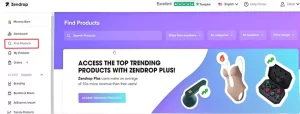
Find Products 3

Customize Your Products 

If you want to build a unique brand, Zendrop offers the option to customize products with your own branding, such as labels or packaging. This is ideal for creating a professional, personalized customer experience.
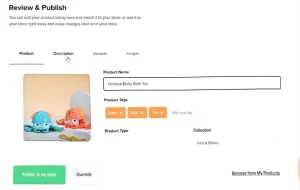
review&publish

Set Your Pricing 

After adding products to your store, you can set your own pricing based on your desired profit margin. Zendrop provides the cost price of each product, and you can decide on the markup you want to apply when selling it to your customers.
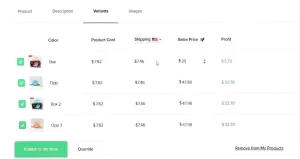
pricing 

Manage Orders and Fulfillment 

When a customer places an order in your store, Zendrop automatically fulfills the order. You don’t need to handle inventory or packaging—Zendrop takes care of everything. You’ll receive notifications as the order is processed and shipped, and you can track the order status through your Zendrop account.
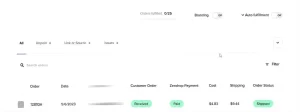
fulfiiled

Monitor Your Sales and Performance 

Zendrop provides analytics and reporting tools so you can track your sales, orders, and performance. This data helps you identify your top-selling products and optimize your business for better profits.

Customer Support and Troubleshooting 

If you encounter any issues or have questions, Zendrop offers customer support via live chat or email. You can contact them for assistance with order fulfillment, product sourcing, or technical problems.

Does Zendrop Ship to the EU?

Zendrop does ship to the EU, making it a viable option for businesses targeting European customers. The platform offers international shipping, including to several European countries, allowing dropshipping entrepreneurs to expand their reach to the European market.

Here is the list of EU countries supported by Zendrop:Countries
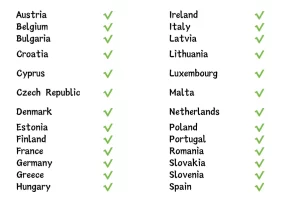
Zendrop works with reliable suppliers who are capable of fulfilling orders to EU destinations, ensuring that products are delivered in a timely manner. The shipping times vary depending on the supplier and product, but Zendrop is known for providing faster shipping options compared to many other dropshipping services. This is particularly important for maintaining customer satisfaction and reducing the risk of late deliveries.

While Zendrop covers a broad range of countries in the EU, it’s important to keep in mind that certain countries may have specific customs or import duties. It’s recommended to be aware of these potential costs, as they may affect the final price your customers pay.

Additionally, Zendrop provides the option to filter products based on shipping location, allowing you to select products that are closer to your EU-based customers, which can help reduce shipping times and improve delivery efficiency.

Overall, Zendrop’s shipping capabilities to the EU make it an excellent choice for dropshippers looking to serve European markets, with the added benefit of faster and reliable fulfillment options.
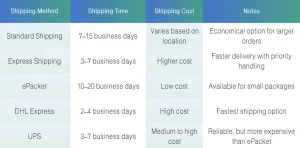
Here is the table with detailed shipping times and costs for Ship to the EU:shipping method cost and time

Note: Shipping costs vary depending on the product, weight, and destination within the EU.

 

Does Zendrop Automatically Fulfill Orders? 


When a customer places an order on your online store, Zendrop takes care of the entire order fulfillment process—from sourcing the product to shipping it directly to your customer.

Here’s how it works:

Order Placement: Once a customer places an order on your e-commerce store (whether it’s on Shopify, WooCommerce, or another platform integrated with Zendrop), the order is automatically synced to your Zendrop account.


Automatic Order Processing: Zendrop’s system automatically processes the order and notifies the supplier to fulfill it. You don’t need to manually place an order with the supplier or worry about tracking inventory. The platform ensures that the supplier has the product in stock and handles the entire order workflow.


Shipping and Tracking: Zendrop then ships the product directly to your customer, using the shipping method selected by the customer during checkout. You’ll receive tracking information, which you can pass on to your customer for transparency.


No Inventory Management: One of the major benefits of using Zendrop is that you never need to deal with inventory. Since the platform automatically fulfills orders directly from suppliers, you don’t have to worry about stock levels, storage, or handling shipments yourself. This allows you to focus on other aspects of your business, such as marketing and customer service.


Custom Branding: If you’ve set up product branding or private labeling through Zendrop, the platform ensures that the product is shipped with your branding and packaging, providing a professional and cohesive experience for your customers.

This level of automation not only saves time but also reduces the risk of human error, making Zendrop an efficient tool for scaling your dropshipping business. The automatic order fulfillment feature is especially valuable for businesses with high order volumes, allowing you to manage your store with minimal manual effort while still offering a reliable service to customers.

Zendrop is evolving as one of the most reliable and efficient dropshipping platforms in 2025, offering everything from product sourcing to custom branding and fast shipping. With its seamless integrations, user-friendly interface, and strong customer support, Zendrop provides the tools you need to run a successful e-commerce business with ease. Whether you’re targeting customers in the U.S., Europe, or other international markets, Zendrop simplifies the fulfillment process so you can focus on what really matters—growing your brand. If you’re ready to take your online business to the next level, Zendrop might just be the solution you’ve been looking for.

Blog Buttom

DropSure is Your Best Partner
22 Years Experience
Affiliate Rebates
100% Quality Guarantee
Top-Up Rewards
10+ Global Warehouses
Custom Branding Support
Smart inventory System
24/7 Customer Support
Get a Quote in 24 Hours
Start Sourcing for Free

Keep Learning

  **Scam-Proof Your Business: The Most Common Dropshipping Scams and Supplier Traps — And How to Avoid Them** Dropshipping looks simple from the outside: find a supplier, import products to your store, and watch the orders roll in. But the reality is far more complex. Because dropshipping attracts new entrepreneurs—and often people with little sourcing experience—it also attracts a large number of scammers, fake suppliers, dishonest middlemen, and predatory service providers who prey on beginners. Every year, thousands of new store owners lose money, waste months of effort, or completely burn their business because they unknowingly step into one of these “supplier traps.” And in today’s globalized marketplace, the scams are evolving faster, becoming more sophisticated, and harder to detect. This guide will walk you through the most common dropshipping scams, supplier traps, red flags, and practical strategies to protect your business. Whether you’re just starting or already scaling, these insights will help you avoid costly mistakes and build a stable, fraud-free supply chain. Let’s dive in. 1. Why Dropshipping Scams Are So Common Before identifying specific scams, it’s important to understand why dropshipping attracts so many traps. 1.1 Low entry barrier → easy targets Dropshipping doesn’t require: Large capital Warehouse space Manufacturing knowledge Long-term contracts This attracts many beginners who lack sourcing experience—making them ideal targets for scammers. 1.2 Global supply chain complexity When you’re dealing with suppliers from overseas: Communication barriers Legal differences Distance Hard-to-verify operations …make it easier for fraudulent suppliers to operate undetected. 1.3 Trust-based workflow Dropshipping relies on: Suppliers fulfilling orders after you pay Promises about shipping speed Claims about inventory This trust-based system is easily abused. 1.4 Fake suppliers are easy to create A […]

If you’re into dropshipping, you know how tedious the operations can get — handling orders, tracking inventory, adjusting prices… But here’s the good news: you can totally hand off these headaches to professional tools. Use the right tools, and you’ll save tons of time to focus on what really drives profits — like closing deals and expanding into new markets. This guide is made just for you. We’ve picked seven top-notch dropshipping tools that automate the complicated stuff, making your work more efficient and your life easier. Keep reading to find out what these tools can do and how to get the most out of them. What is Dropshipping Automation? In the dropshipping business, tasks like order fulfillment, inventory management, price adjustments, and product research are daily essentials—and there’s no room for mistakes. Handling them manually is not only tedious but also error-prone and inefficient. Automation means using tools to take care of these repetitive yet critical steps, so you don’t have to do everything yourself. For example, with the right automation tools, you can import products from suppliers to your store with just one click. When a customer places an order, the system automatically sends the order details to your supplier for processing—no manual work needed. If your supplier changes their prices, your store can automatically adjust the prices to avoid losses or shrinking profit margins. Smarter sellers even use chatbots to handle common customer inquiries, so they can focus their energy on more complex tasks that truly require human decision-making. Why Should You Use Dropshipping Automation Software?  The biggest advantage of using dropshipping automation tools is simple: less stress, more time, and higher profits. Here’s how they help you: ● […]

In recent years, e-commerce has steadily risen to a prominent position in the global economy. Especially during the COVID-19 pandemic, online shopping became the preferred choice for most people, turning e-commerce from an optional channel into an almost unavoidable part of doing business. However, once you dive in, you quickly realize the challenges: heavy inventory pressure, complex logistics management, and soaring costs often leave you overwhelmed. That’s when dropshipping becomes an extremely attractive option. With dropshipping, you don’t need to build your own warehouse or handle packing and shipping yourself. You can focus your energy on marketing and sales, while inventory management and logistics are all handled by your suppliers. This model not only saves you upfront investment but also gives you the flexibility to test products and market responses more easily. Depending on your resources and goals, dropshipping actually comes in several types — traditional dropshipping, collaborative dropshipping, and even reverse dropshipping. Each model fits different scenarios and operational styles, with their own pros and cons. There’s no absolute “best,” only what works best for you. Next, we’ll break down these main dropshipping models one by one, revealing the logic, advantages, and potential pitfalls behind each. This will help you choose, plan, and implement your e-commerce strategy more wisely. Traditional Dropshipping If you’re new to e-commerce, the traditional single-item dropshipping model (which is the most common form of dropshipping) is undoubtedly the easiest way to get started. This model has been around for many years and countless e-commerce sellers have built their businesses on it. Its operation is very straightforward:You find suppliers willing to offer dropshipping services and list their products in your store. When a customer places an […]