








< Blogs

Dropshipping from China – Complete Guide

Vivan Z.
Created on November 13, 2024 – Last updated on February 6, 20255 min read
Written by: Vivan Z.

In China, dropshipping has become a significant trend in the e-commerce industry. According to statistics, in 2023, the total value of China’s cross-border e-commerce imports and exports reached 2.2 trillion RMB, with a large portion of this trade driven by the dropshipping model. Platforms like Alibaba and AliExpress allow Chinese suppliers to directly ship products to global sellers, significantly reducing their operational costs. Compared to traditional inventory models, dropshipping eliminates the need for holding stock, allowing sellers to enter the market with lower startup capital. For example, sellers can access products directly from Chinese suppliers without having to purchase large quantities upfront, making it possible to sell globally. Furthermore, China’s advantages in product cost, manufacturing capabilities, and logistics have made it a central hub for global dropshipping.

China

What is Dropshipping?

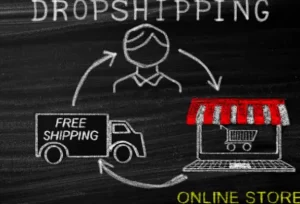
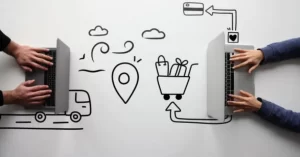
Dropshipping is a business model where you don’t need to hold inventory. When a customer places an order, you simply forward the order to the supplier, and the supplier ships the product directly to the customer. No warehouse, no inventory management, and no shipping hassles. Platforms like Dropsure make it easy by streamlining the process, so you can focus on marketing and sales, leaving the rest to us.

To learn more about dropshipping, check out our What is Dropshipping & How to Start article.

How to Dropship from China?

Success in dropshipping is no accident. Follow these steps to get your business started:

Step 1: Choose Reliable Suppliers

Choosing unreliable suppliers means delays, refunds, and unhappy customers. That’s why finding a trustworthy supplier with a good track record is crucial. Using a platform like Dropsure helps you easily find verified Chinese suppliers.

Step 2: Pick Hot-Selling Products

Stop second-guessing your product choices. Use market analysis tools like Google Trends to identify trending products with low competition and high demand. Your product selection directly impacts your future profits.

Step 3: Target the Right Audience

Understanding who’s buying your products is key. Use social media analytics tools and market research to figure out your potential customers’ age, interests, and buying habits. Precise targeting boosts conversion rates.

Step 4: Track Orders, Keep Transparency

Using your supplier’s order management system or tools provided by Dropsure, stay updated on order status. Customers expect timely delivery, and any delay could cost you their trust.

Step 5: Handle After-Sales Efficiently

Don’t let bad reviews drag you down. Establish clear return and exchange policies, and maintain good communication with customers. Promptly addressing issues is key to customer satisfaction and maintaining a positive reputation.
Dropshipping from China 3

Benefits of Dropshipping from China

Dropshipping from China offers several significant advantages:

1. Low Cost, High Profit

Products from China are typically inexpensive, which means lower sourcing costs and higher profit margins—helping you get a competitive edge in the market.

2. Wide Range of Products

Whether you’re selling electronics or fashion, you’ll find a wide variety of products from Chinese suppliers. The broad selection makes it easier to find products that suit your niche.

Dropshipping from China 2

3. Robust Supply Chain

China has one of the world’s most advanced supply chain infrastructures, ensuring efficient operations from production to logistics. Whether you’re selling in the U.S. or Europe, deliveries will arrive on time.

4. Strong Technical Support

Many Chinese suppliers offer advanced manufacturing capabilities and customization. Strong technical support ensures you get high-quality products, avoiding common quality issues.

How to Find Reliable Dropshipping Suppliers in China?

Finding reliable dropshipping suppliers isn’t hard if you know where to look. Here are a few tips:

1.Attend online or offline trade shows to meet suppliers face-to-face.

2.Use directories and platforms specifically designed to connect dropshippers with Chinese suppliers.

3.Check for supplier certifications or quality control measures. At Dropsure, we provide a curated list of trusted suppliers to make your search easier.

If you’re serious about finding the best suppliers, don’t miss out! Click here to read our article How Do Dropshippers Find Their Best Dropshipping Suppliers? and discover the top strategies that can take your business to the next leve
Dropshipping from China 1

Conclusion

Dropshipping from China presents a wealth of opportunities for entrepreneurs. By following the right steps, you can leverage low-cost products, a wide variety of choices, and a robust supply chain. At Dropsure, we’re dedicated to helping you succeed in your dropshipping journey. We provide the tools, connections to top suppliers, and support to help your business thrive. Start your dropshipping adventure with us today!

DropSure

DropSure is Your Best Partner
22 Years Experience
Affiliate Rebates
100% Quality Guarantee
Top-Up Rewards
10+ Global Warehouses
Custom Branding Support
Smart inventory System
24/7 Customer Support
Get a Quote in 24 Hours
Start Sourcing for Free

Keep Learning

  **Scam-Proof Your Business: The Most Common Dropshipping Scams and Supplier Traps — And How to Avoid Them** Dropshipping looks simple from the outside: find a supplier, import products to your store, and watch the orders roll in. But the reality is far more complex. Because dropshipping attracts new entrepreneurs—and often people with little sourcing experience—it also attracts a large number of scammers, fake suppliers, dishonest middlemen, and predatory service providers who prey on beginners. Every year, thousands of new store owners lose money, waste months of effort, or completely burn their business because they unknowingly step into one of these “supplier traps.” And in today’s globalized marketplace, the scams are evolving faster, becoming more sophisticated, and harder to detect. This guide will walk you through the most common dropshipping scams, supplier traps, red flags, and practical strategies to protect your business. Whether you’re just starting or already scaling, these insights will help you avoid costly mistakes and build a stable, fraud-free supply chain. Let’s dive in. 1. Why Dropshipping Scams Are So Common Before identifying specific scams, it’s important to understand why dropshipping attracts so many traps. 1.1 Low entry barrier → easy targets Dropshipping doesn’t require: Large capital Warehouse space Manufacturing knowledge Long-term contracts This attracts many beginners who lack sourcing experience—making them ideal targets for scammers. 1.2 Global supply chain complexity When you’re dealing with suppliers from overseas: Communication barriers Legal differences Distance Hard-to-verify operations …make it easier for fraudulent suppliers to operate undetected. 1.3 Trust-based workflow Dropshipping relies on: Suppliers fulfilling orders after you pay Promises about shipping speed Claims about inventory This trust-based system is easily abused. 1.4 Fake suppliers are easy to create A […]

In recent years, e-commerce has steadily risen to a prominent position in the global economy. Especially during the COVID-19 pandemic, online shopping became the preferred choice for most people, turning e-commerce from an optional channel into an almost unavoidable part of doing business. However, once you dive in, you quickly realize the challenges: heavy inventory pressure, complex logistics management, and soaring costs often leave you overwhelmed. That’s when dropshipping becomes an extremely attractive option. With dropshipping, you don’t need to build your own warehouse or handle packing and shipping yourself. You can focus your energy on marketing and sales, while inventory management and logistics are all handled by your suppliers. This model not only saves you upfront investment but also gives you the flexibility to test products and market responses more easily. Depending on your resources and goals, dropshipping actually comes in several types — traditional dropshipping, collaborative dropshipping, and even reverse dropshipping. Each model fits different scenarios and operational styles, with their own pros and cons. There’s no absolute “best,” only what works best for you. Next, we’ll break down these main dropshipping models one by one, revealing the logic, advantages, and potential pitfalls behind each. This will help you choose, plan, and implement your e-commerce strategy more wisely. Traditional Dropshipping If you’re new to e-commerce, the traditional single-item dropshipping model (which is the most common form of dropshipping) is undoubtedly the easiest way to get started. This model has been around for many years and countless e-commerce sellers have built their businesses on it. Its operation is very straightforward:You find suppliers willing to offer dropshipping services and list their products in your store. When a customer places an […]

Do you know about dropshipping? It’s a highly popular business model, particularly in the e-commerce sector. According to Statista, European e-commerce sales are projected to reach €500 billion in 2023, with dropshipping—a no-inventory model—gaining traction among merchants. Especially after the pandemic, many small businesses and entrepreneurs have turned to online sales, and dropshipping offers a low-cost, low-risk entry point. But what exactly is the dropshipping business model? Is it complex to operate? Does it require significant startup capital? Are specialized technical skills necessary? As a newcomer, is the entry barrier high? Let’s explore these questions. What is Dropshipping Model? The dropshipping model is an e-commerce business model. The dropshipping process typically includes the following steps: First, the dropshipper displays products in their online store and receives customer orders. When a customer places an order, the dropshipper forwards the order information to the supplier or manufacturer. Next, the supplier ships the product directly to the customer, while the dropshipper is responsible for maintaining communication with the customer and handling after-sales service. Throughout this process, the dropshipper does not need to purchase or store inventory in advance, which reduces operating costs and risks. In this model, the dropshipper does not need to buy and hold inventory upfront. When a customer places an order on the dropshipper’s online store for a product, the dropshipper sends the order and the customer’s shipping information to the supplier. The supplier then ships the product directly to the customer. Benefits of Dropshipping Dropshipping has quickly surged in popularity and created a global buzz, largely due to its unique business model and distinct advantages over traditional e-commerce.Dropshipping has rapidly risen to prominence and sparked a global trend primarily […]