








 26 min read
Want your Shopify store to stand out in the fierce e-commerce competition? As a store operator, are you looking for practical promotion plans? Today, we’ll unveil 11 market – proven, high – efficiency marketing strategies to help you achieve breakthrough business growth!
From precisely targeting micro – influencers to deeply optimizing SEO strategies, from automated email marketing to viral social media dissemination, these practical skills will comprehensively enhance your customer acquisition ability and conversion rate. Whether you’re an e – commerce veteran or a newcomer to the industry, these strategies can help you quickly break into the market.
Here is our carefully refined professional – level promotion methodology, which will help you:
● Build precise customer acquisition channels
● Increase brand market awareness
● Significantly improve product conversion rates
● Create a continuously growing sales engine
Ready to take your Shopify business to new heights? Let’s start exploring these innovative marketing strategies right away!
Choosing the Right Promotion Strategy
Selecting the appropriate promotion strategy is crucial for building a successful store on the Shopify platform. Although there are various marketing methods available, each with its unique effects, their effectiveness can vary significantly in different business scenarios.
Take Search Engine Optimization (SEO) as an example. It is undoubtedly an excellent way to attract targeted traffic. By optimizing the website’s content and structure to achieve a higher ranking in search engine results, it can draw potential customers with clear purchasing intentions. However, if you’re new to a highly competitive industry, such as the coffee machine market, it will be extremely difficult to achieve a desirable ranking for popular keywords like “coffee machine”. Industry giants like Costco, Nespresso, and BestBuy have already invested substantial resources to ensure they top the search results. This means that new entrants need to put in more effort and ingenuity to gain a share in the search engine competition.
Therefore, when formulating a promotion plan for your Shopify store, the following key factors need to be comprehensively considered:
Product Attribute Analysis: Thoroughly understand the type of your product and think about the channels through which target users usually discover such products. For different types of products, the search and discovery methods of potential customers can vary significantly.
User Profile Positioning: Identify the platforms where your core customer group mainly congregates. Is it social media platforms like Reddit and Instagram, or offline events such as industry exhibitions? Understanding the activity scope of your target customers helps to precisely allocate marketing resources to the places where they frequently appear, thereby enhancing the marketing effectiveness.
Consumer Demand Insight: Accurately grasp the factors that users care about the most, whether it’s price, environmental – friendliness, or convenience. Only by understanding the core needs of users can you highlight the corresponding advantages of your products during the marketing process to attract their attention and drive purchases.
Communication Channel Evaluation: Analyze which marketing method can most effectively reach your target audience. Is it email marketing, paid advertising, or other means? Different communication channels have different characteristics and advantages, and you need to select the most suitable one according to the characteristics and preferences of your target customers.
Competitor Strategy Research: Carefully study the effective promotion methods used by peer brands. This is a very important step because successful competitors often find the optimal marketing combination for the industry through a large number of tests and practices. It is recommended that you subscribe to your competitors’ marketing emails, click on their advertisements, and conduct in – depth analysis of their marketing strategies.
How to Promote Your Shopify Store: 11 Effective Promotion Strategies
Are you struggling with how to promote your Shopify store? It’s truly a challenging task. However, you can start by trying out a few seemingly reliable strategies. Once you find a strategy that yields quick results, don’t hesitate and ramp up your efforts to implement it.
Stop procrastinating! Let’s quickly take a look at how brands, big and small, use the following strategies to launch and expand their store operations.
Launch a Pre – launch Viral Marketing Campaign
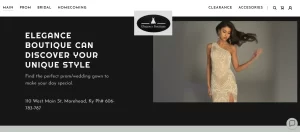
A pre – launch marketing campaign can significantly enhance your brand influence. Take “Elegance Boutique”, a new women’s clothing brand, for example. They planned to launch a series of limited – edition autumn and winter new products. To create suspense and attract attention in advance, Elegance Boutique created a pre – launch landing page that displayed some blurry artworks along with the text: “Coming Soon – Elegance Boutique’s Autumn Surprise”.
When visitors left their email addresses on this page, they would receive a personalized welcome email containing an exclusive discount code as a reward for their early interest. Additionally, the email included a link that directed them to share the upcoming secret collection with their friends. For each successful invitation of a friend to register, they could earn extra points, which could be redeemed for gift cards or other rewards at the official launch.
A pre – launch marketing campaign can significantly enhance your brand influence. Take the new women’s clothing brand “Elegance Boutique” as an example. The brand planned to launch a series of limited – edition autumn and winter new products and thus carried out a pre – launch marketing campaign. Through a simple “Coming Soon Page”, it showed some blurry artworks with the text: “Coming Soon – Elegance Boutique’s Autumn Surprise”.
Once visitors registered, the thank – you page of Elegance Boutique would encourage registrants to unlock prizes by inviting friends. The key was that the more friends they invited, the more prizes they would get. There were a total of 4 reward levels in the whole event:
● Invite 5 friends = Free silk scarf
● Invite 10 friends = Free fashion brooch
● Invite 25 friends = Free custom – made high – end dress
● Invite 50 friends = Fashion clothing set
The event rules were clearly stated, and the prizes were feasible, which led to a significant surge in sharing volume.
Moreover, the event was designed to be easy to share. The pre – edited social media copy was very attractive. For example, a tweet would say, “Come and uncover the mystery of Elegance Boutique’s autumn fashion with me! Invite friends and win great prizes!”
So, how was the event’s result? Approximately 1,500 people invited about 5,000 friends, with an average of more than 3 friends invited by each inviter!
In fact, Elegance Boutique initially asked all its employees to share the event with their friends, and then the event spread like wildfire.
Therefore, you can think about how to replicate a similar viral marketing campaign to promote your Shopify store. If you’ve already opened a store, you can also apply this strategy to newly launched products.
Recruit a Team of Micro – influencers
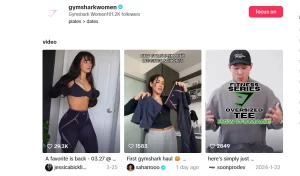
For example, the UK-based fitness brand Gymshark adopted a micro-influencer strategy during its early stages. They collaborated with a group of passionate fitness enthusiasts, trainers, and amateur athletes whose social media followers were not large in number, but who maintained very close interactions with their audience.
By posting training photos and videos on Tiktok while wearing Gymshark apparel, these micro-influencers authentically shared their fitness experiences along with exclusive discount codes, attracting a large number of potential customers. It was this word-of-mouth marketing and precise targeting that enabled Gymshark to achieve significant brand exposure at a relatively low promotional cost, eventually growing into a globally renowned fitness apparel brand.
Build a Promotion Team of Amateur Bloggers
Using amateur bloggers to drive traffic to your Shopify store is a very effective marketing strategy. The so – called amateur bloggers usually refer to the managers of social media accounts with fewer than 5,000 followers. Although their follower base is not large, their fan groups have strong interactivity and high stickiness, which can create quite a stir in small circles.
The beauty brand GlowSecret is a typical example of using this strategy to perfection. Focusing on the young female beauty market, the brand carefully selected a group of TikTok amateur bloggers to form a promotion team to promote its beauty products. Take the collaborative video posted by the account @pretty_paintbrush, which has more than 2,000 followers, as an example. This form of cooperation fully demonstrates the unique charm of amateur bloggers in precisely appealing to target customers.
Collaborating with amateur bloggers can not only gain high attention with relatively low investment but also establish a more trustworthy brand image through their in – depth interaction with fans. If you also want to attract more traffic and generate more orders for your Shopify store, you might as well consider building a team of amateur bloggers that suits your brand and start a unique marketing journey.
This is a powerful form of advertising because you can not only reach the influencer’s audience but also leverage the trust they have built with their fans. If you’re running a new store, they can help provide the social proof needed for customers to trust your products.
In addition, micro – influencers like these are usually much more cost – effective than big influencers, and you can also reuse the content they create on your own social feeds and paid advertising channels.
You can collaborate with influencers in various ways. Here are some examples:
● Send them free products for review.
● Pay them to recommend your products.
● Offer them equity or a share of the profits in your company.
● Provide them with affiliate marketing links.
Establish a Referral Program
Once you’ve attracted customers, the next step is to turn them into brand advocates, and a referral program can serve this purpose.
For example, we know that people recommended by friends are 400% more likely to buy your products than those who discover your store by chance. This influence is not to be underestimated!
The key to a successful referral program lies in motivating your customers to promote your brand. You might as well learn from Cole Haan’s approach – they offer a $25 reward to both the referrer and the referred friend. It’s truly a win – win situation!
Imagine that the next time a friend of your customer compliments the products they bought from your store, they’ll immediately tell their friend about the attractive benefits of joining your referral program.
Launch a similar activity in your store and let your customers promote it for you spontaneously.
Create Viral TikTok Content
In today’s era, it’s not easy to build an audience through organic traffic, but it’s not impossible. If you want to expand your business through organic traffic and your target audience consists mainly of young people, then TikTok is the ideal platform to achieve maximum organic traffic reach. (If your audience is a bit older, in the millennial generation, then Instagram is also worth a try.)
By browsing Nike’s TikTok account, you can see their effective account – operating strategies. In a social media environment that values real resonance, Nike stays authentic. They share real moments of athletes’ training and competitions, which showcases the brand’s sports spirit and professionalism and narrows the gap with consumers.
They keep up with the popular trends on TikTok, skillfully using popular sound effects and hashtags. This makes their content more discoverable, expands its reach, and enhances interaction.
To showcase their products, Nike creates creative short videos that demonstrate the performance advantages of their shoes and clothing in different sports scenarios, allowing consumers to have an intuitive understanding.
Nike also regularly holds contests and giveaways, such as the “Sports Challenge Week”. They encourage fans to share their sports achievements to win limited – edition products, which stimulates their enthusiasm for participation and boosts the spread of the brand.
In addition, Nike collaborates with well – known athletes and fitness coaches on TikTok to create content together. By leveraging the influence of these influencers, Nike expands its brand awareness and makes its brand image deeply rooted in people’s hearts.
Promote Your Shopify Store with Google Ads
Google Ads is one of the most effective ways to promote your Shopify store. As the world’s largest search engine, Google’s advertising system can bring huge traffic and exposure to your store.
The effectiveness of Google Ads is mainly based on the following three key factors:
Precise targeting: Google Ads allows you to target your ads to the right audience based on multiple dimensions of information, such as users’ search keywords, geographical locations, and search histories. This means you can show your ads to potential customers who are actively looking for the products you sell. For example, when a user searches for “handmade ceramic cups” on Google, your relevant ads have the opportunity to appear on the search results page, precisely reaching those with a need.
Excellent cost – effectiveness: Compared with traditional advertising forms, Google Ads offers a high cost – benefit ratio. You can flexibly set a daily or per – click cost limit according to your budget, and you only pay when users click on your ads. This enables you to acquire a large number of potential customers at a relatively low cost, maximizing the return on investment.
Rapid business expansion: Once you figure out the right Google Ads strategy for your store, business growth is just around the corner. Suppose you find that for every 50spentonadvertising,youcangenerate200 in sales. Then you can gradually increase your advertising budget to attract more customers and further expand your business scale.
Google Ads provides a wide variety of ad formats, such as search ads, display ads, and shopping ads. Search ads appear at the top or bottom of the search results page when users search for relevant keywords. Display ads can show your product images and information on numerous websites within the Google Display Network. Shopping ads can directly display product images, prices, and purchase links, making it convenient for users to make a purchase directly.
For example, I visited the website of a skincare store called “Beauty of Nature” online some time ago. After that, no matter what else I searched for on Google or which relevant beauty blogs I browsed, I could see the store’s ads. Even with a daily advertising budget of only 15−20, the store can continuously show its products to potential customers who have already shown interest, greatly increasing the likelihood of customers revisiting and making a purchase.
Launch a Bing Ads Campaign
Continuing the topic of paid advertising, let’s now talk about Bing Ads. Bing Ads can help your store stand out in Bing search results for specific search terms that your customers might use.
For example, if you run a pet supplies store, when someone searches for “pet supplies” on Bing, your store has the chance to appear in the search results like this.
Bing offers a variety of ad types for you to choose from, such as search ads, display ads, and local business ads. Like other advertising platforms, Bing Ads may seem complicated at first glance, but it has been designed to make the operation process as simple as possible for new advertisers.
Here are some best practices for promoting your Shopify store:
Use precise keyword targeting: Select keywords that are closely related to your products to target potential customers who are actively looking for products like yours on Bing. Choose precise and specific keywords and avoid using overly broad terms, otherwise, you may attract irrelevant clicks. For example, if you sell toys for pet cats, use “pet cat toys” instead of “pet toys”.
Set up ad groups reasonably: Divide your ads into specific ad groups according to different product categories or themes. This allows you to create more targeted ads that better match the searcher’s query. For example, you can set up separate ad groups for cat supplies and dog supplies.
Add ad extensions: The ad extension feature enables you to add additional useful information to your ads, such as your store’s business hours, links to customer reviews, or recommendations for featured products. This helps to increase the attractiveness and click – through rate of your ads and drive more traffic to your Shopify store.
Create high – quality landing pages: Ensure that your landing pages are of high quality, relevant to your ads, and optimized for increasing conversion rates. A good landing page can improve the user experience and increase the likelihood of customers placing orders on your website.
Continuously test and optimize your ads: Continuously test and optimize your ads to improve their effectiveness. Try different ad formats, targeting strategies, and ad copy to find the best combination for your Shopify store.
Optimize for Search Engines
Just as you can drive traffic to your store through organic social media posts, you can also attract customers via organic search. This means you can get exposure on Google (or other search engines) without paying for it.
For example, three beauty e – commerce websites rank high in the search results for the term “women’s lipsticks”.
The good news is that Shopify comes with some built – in SEO features, such as an automatically generated sitemap, which all merchants can use. However, these features may not be enough to help you stand out in the competition. To get ahead, you should implement additional strategies.
One basic strategy to adopt first is keyword research and optimization. Find out the keywords that potential customers use when searching for products and skillfully incorporate them into key positions on your Shopify store. This includes product titles, descriptions, URLs, title tags, and meta – descriptions. For instance, if you run a beauty store, in addition to “women’s lipsticks”, you can also discover more precise keywords like “long – lasting and vivid – colored women’s lipsticks” and “matte – finish women’s lipsticks”.
Another key element is to build high – quality backlinks. These links help establish the credibility and authority of your store in the eyes of Google. You can contact suppliers, manufacturers, beauty influencers, and well – known industry opinion leaders to get backlinks from them. You can also use content marketing to drive more high – quality traffic to your website and boost sales (which will be detailed later). For example, you can invite beauty bloggers to write reviews about the lipsticks in your store and add links to your store in the articles.
Remember, SEO is a long – term strategy, and it takes time to see results. Combine these strategies and use them as part of a comprehensive SEO plan. For more guidance, check our SEO checklist to ensure you’ve considered all aspects.
Launch a Blog to Promote Your Shopify Store
A blog is a powerful tool that can bring free traffic to your Shopify store.
However, many brands use blogs incorrectly for promotion. If you want to attract traffic through your blog, you need to find topics that you have a chance to rank for in search engines and that your target audience is searching for.
Every effective blog promotion strategy should start with keyword research. The key is to find keywords with low competition and high purchase intent. You can use tools like Semrush to discover these topics and then create content that meets the needs of searchers around these topics.
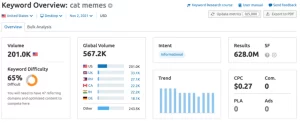
Once visitors come to your blog, use lead magnets such as free e – books, coupons, or pop – up windows to collect their email addresses. In this way, you can conduct secondary marketing to them for free. If you also set up remarketing ads, you can show ads promoting your products to these customers (who have already shown interest in your products).
Establish Mutually Beneficial Partnerships with Other Brands
Collaboration is an excellent way to promote your products to new audiences. If you can form partnerships with the right brands, you’ll gain the attention of a large number of potential customers.
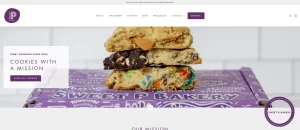
The core of establishing a partnership is to ensure that it benefits both parties. You don’t want one side to feel like they’re at a disadvantage. Take the baking brand “Sweet Bakery”, which has a Shopify store, for example. Over the years, it has carried out partnerships with many brands.
It collaborated with the local flower shop “Fragrant Flower Shop” to launch a “Romantic Afternoon Tea Package”. The package includes delicious cakes and breads carefully made by “Sweet Bakery”, paired with beautiful small flower bouquets provided by “Fragrant Flower Shop”. This package not only satisfies consumers’ desire for delicious food but also creates a romantic atmosphere, which has been well – received by the customers of both brands and successfully attracted new customers.
You might wonder, “How can I start such a partnership?” Don’t aim too high at the beginning. If you’re just starting out, partnering with other small businesses is a good option.
Suppose you run a sports water bottle store. You can contact nearby fitness studios to see if you can offer exclusive discounts on sports water bottles to the studio’s members. In this way, you can introduce your products to a new group of potential customers.
Or, if you sell handmade leather goods like wallets and keychains, you can partner with a local literary bookstore. Hold a leather goods display event in the bookstore and promote it to the customers of both sides. This can attract new customers who might be interested in your leather products.
The key to establishing partnerships is to be creative and collaborate with brands whose audiences might be interested in your products. Don’t be afraid to take the first step and boldly cooperate with other brands!
Launch Email Marketing
Overall, email marketing consistently offers the highest return on investment among all marketing channels. Therefore, implementing an email marketing strategy for your store is a must.
You can start with these basic automated settings:
•Write an excellent series of cart abandonment reminder emails to recover incomplete orders. For example, when a customer adds items to the cart but doesn’t complete the payment, send the first reminder email after 1 hour, informing them that the stock of the items is limited. If they still haven’t paid after 3 hours, send another email with a small – value coupon to entice them to come back and complete the purchase.
• Create welcome emails to greet new customers. In the email, you can introduce the store’s features and advantages, as well as exclusive benefits prepared for new customers, such as a first – purchase discount or a free gift, to make new customers feel the store’s warmth and sincerity.
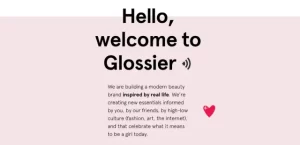
• Send reactivation emails to dormant customers to re – engage those who have made purchases in the past. You can mention the products they previously bought in the email and recommend relevant new products or promotional activities to arouse their desire to buy.
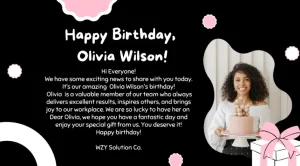
• Design a birthday email process to improve customer retention. Send a birthday – exclusive email on the customer’s birthday, offer birthday greetings, and provide a birthday – exclusive discount or gift to make the customer feel special care.
• Send review request emails to increase social proof. Send an email to request customers to review the products within a certain period after they complete a purchase. You can also include some guiding questions, such as “Are you satisfied with the quality of the product?” or “Did you encounter any problems during use?” to encourage customers to share their real experiences.
Then use email to announce various information such as seasonal promotions, new product launches, and company milestones. We’ve already written about 14 types of emails that every Shopify store needs to send. If you want more in – depth strategies and tips for each campaign, you can check the relevant content.
Promote Promotions to Newly Purchased Customers
One of the simplest ways to drive more sales is through post – purchase upselling. This is because if you offer options to customers who have just bought from you, they are very likely to make another purchase. Data from a data analytics agency (similar to ReConvert) shows that many stores can immediately increase their total revenue by 10 – 15% just by adding a few simple post – purchase promotions. Surprisingly, despite these results, many retailers still haven’t taken advantage of this post – purchase opportunity. Seriously, even large e – commerce platforms like Taobao and JD.com are doing this. Shouldn’t you ask yourself why you’re not? Designing promotional programs triggered by membership consumption points or past consumption preferences can invisibly increase additional orders. The beauty of it is that as you promote your offline physical store more and more and your business gets better, your post – consumption promotion program will also improve accordingly. You just need to set it up properly, and then you can save a lot of effort.
How to Promote Your Shopify Store: Summary
Now, you’ve got to know these 11 professional – grade strategies for promoting a Shopify store. They’re like a powerful marketing arsenal, with each strategy holding immense potential to bring unexpected results to your store.
Don’t let your Shopify store remain in obscurity any longer. It’s time to take action! Put these creative marketing plans into practice, let your store ride the waves in the e – commerce ocean, achieve a breakthrough in business growth, skyrocket your store’s sales, and become a top player in the e – commerce field. You’ll surely see a vibrant Shopify store with a steady stream of orders in the near future. Start now and write a new glorious chapter for your e – commerce business!