








< Blogs

Top 5 Underrated New Products to Make Big Profits This Summer 2025

Vivan Z.
Created on July 10, 2025 – Last updated on July 23, 20255 min read
Written by: Vivan Z.

Still stuck selling T-shirts and water bottles? Come on, wake up! The real money-making opportunities for summer 2025 aren’t in those oversaturated niches anymore. Today, I’m breaking down 5 seriously underrated new products—low competition, high margins, and perfect for anyone looking to level up and cash out this summer. If you’re selling on TEMU, Amazon, or your own store, this is one list you don’t want to miss.

Portable Solar-Powered Cooling Fan

Why it’s worth betting on:

Market Trend: The global portable cooling devices market is expected to grow over 15% by 2025, with solar-integrated fans being the fastest-growing segment.
Consumer Pain Points: Summer outdoor activities and camping are booming. People are craving “zero electricity bills, zero noise, instant cooling.”
Profit Logic: With standardized solar panels and ABS mold-based mass production, unit cost can be pushed down to $25–$30, while retail price ranges from $70–$100. That’s over 50% gross margin per unit.
My Take: Focus early on product validation and solid marketing creatives. Highlight the dual appeal of “eco-friendly + refreshing.” One good ad campaign could trigger explosive sales.
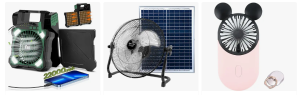
Portable Solar-Powered Cooling Fan

Smart UV Detection Patch

Why it’s worth betting on:

Market Trend: UV-sensing devices saw nearly 40% growth last year. Disposable, wearable patches are just starting to gain traction.
Consumer Pain Points: Outdoor lovers care about skin health, but rarely carry dedicated UV meters. This sticker-style product can be placed on the back of your hand or sleeve, and changes color to reflect UV levels — fun, visible, and useful.
Profit Logic: Production cost is just $0.30, with a selling price of $3–$5. Even after shipping and packaging, net profit per item can easily exceed 100%.
My Take: Perfect for social media ads. A simple DIY unboxing video can capture the attention of young women, fitness fans, and fashion influencers.

Smart UV Detection Patch

AI Voice Pet Translator

Why it’s worth betting on:

Market Trend: The booming pet economy is projected to surpass ¥350 billion in cat and dog-related products alone. Smart hardware’s market share is expected to grow from 5% to 12%.
Consumer Pain Points: Pet owners constantly wonder what their pets are “trying to say.” Emotional connection is strong, but interpretation tools are lacking.
Profit Logic: Built with open-source voice models and low-power Bluetooth chips, cost can be kept at around $20, while retail pricing lands at $60–$80. Healthy margins.
My Take: It’s tech-heavy, yes, but if the user experience is solid, word-of-mouth and community sharing could create a viral snowball effect. Huge long-tail potential.

Portable Foldable Privacy Tent

Why it’s worth betting on:

Market Trend: Camping, beaches, music festivals—outdoor scenes are trending hard. Demand for shade and privacy is spiking.
Consumer Pain Points: Traditional tents are bulky and hard to set up. Users prefer lightweight, instant pop-up styles.
Profit Logic: Made from Oxford fabric and aluminum spring rods, unit cost is around $15–$18. Market price falls between $45–$60, bringing in up to 60% profit margin.
My Take: Best to go omnichannel on platforms like Pinduoduo and Amazon. Offer multiple color and size options—once customers try it, they won’t go back.
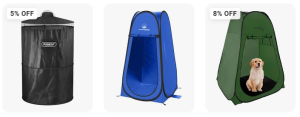
Portable Foldable Privacy Tent

Smart LED Grow Light for Home Gardening

Why it’s worth betting on:

Market Trend: Urban families are obsessed with balcony gardening and indoor plants. Smart home devices are rapidly gaining penetration.
Consumer Pain Points: Standard LED lights offer poor light spectrum and waste power. Smart lights with spectrum tuning and timers support full-cycle plant growth.
Profit Logic: Use of local chips and aluminum PCB keeps cost around $12–$15, while pricing it at $35–$50 delivers over 50% margins.
My Take: Push features like “App Control + Remote Monitoring + Multiple Modes.” A timelapse video showing strawberries growing from seed to fruit will instantly win over urban white-collar buyers and family households.
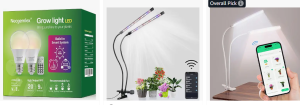
Smart LED Grow Light for Home Gardening

How to Launch Fast?

Early Testing: Order small batches, gather real feedback, and focus on usage scenarios and core pain points.
Precision Marketing: Collaborate with top KOLs and seeding influencers to build a high-quality content matrix.
Inventory & Logistics: Set up FBA or overseas warehousing for faster delivery and higher satisfaction.
Continuous Optimization: Improve based on user reviews and develop repeat customers into loyal fans.

Alright, those are my top 5 underrated product picks. Stop chasing what everyone else is selling—grabbing these hidden gems is the real shortcut to profit. If you found this helpful, hit that like button, save it, or drop a comment below telling me which one you’re betting on. Who knows, I might deep dive into your favorite next time. Summer is harvest season—don’t let these chances slip through your fingers!


buttom

DropSure is Your Best Partner
22 Years Experience
Affiliate Rebates
100% Quality Guarantee
Top-Up Rewards
10+ Global Warehouses
Custom Branding Support
Smart inventory System
24/7 Customer Support
Get a Quote in 24 Hours
Start Sourcing for Free

Keep Learning

Is Amazon the Only Option? Think Again! When people think of online shopping, Amazon often comes to mind first. But did you know there are plenty of other e-commerce platforms that offer great alternatives—some with lower fees, niche markets, or better seller support? Whether you’re a seller looking for new opportunities or a shopper searching for unique products, exploring different platforms can open up exciting possibilities. Here are 15 e-commerce platforms that are giving Amazon a run for its money! Global E-commerce Platform  eBay Founded in 1995, eBay is one of the world’s earliest e-commerce platforms, headquartered in California, USA. Its core model is C2C and auction mechanism, allowing individuals or small businesses to trade second-hand goods, collectibles, niche goods, etc. through bidding or one-bite price. As of 2025, eBay covers more than 190 countries and regions, and users can conduct transactions through localized sites (e.g., eBay US, UK, etc.). The platform features long-tail goods (rare items, personalized goods) and flexible pricing. Core differences between eBay and Amazon  1. Business models and types of sellers ● eBay: Started as an auction model and later expanded to fixed-price sales, focusing on C2C and small B2C. Sellers are mostly individuals or small and medium-sized merchants, and their products are mainly second-hand, collectibles, and non-standard products. ● Amazon: B2C self-operated (Amazon Retail) and third-party merchants, focusing on standardized products and new products. The proportion of large brand names is higher, and the product categories are concentrated in standardized products such as electronic products, daily necessities and books. 2. Fee structure and logistics ● eBay: Fees include listing fees (product listing fees) and transaction fees (about 10-15% commission), no warehousing fees. No warehousing fees. […]

In the world of cross-border e-commerce—whether you’re selling on Amazon, running a Shopify store, or operating on platforms like TEMU, SHEIN, or TikTok Shop—there’s one thing you simply can’t ignore: product selection. Choosing the right product is the lifeline of your entire business. You might be a master at running ads, have sharp operational skills, or even be ready to throw money at the problem—but if the product is wrong, none of that will matter. A bad product means no sales, inventory piling up, ad budget going to waste, and cash flow drying up. Best case? You lose money and exit the game. Worst case? Your company goes under. But if you pick the right product? Even if you’re just starting out—with little experience and a limited budget—you still have a real shot at turning a single product into tens of thousands, or even hundreds of thousands of dollars in profit. That’s what we mean when we say: “It’s the product that makes you take off.” So don’t treat product selection as just a step in the process. What is Google Trends? If you want to know whether a product is truly “riding the wave,” then Google Trends is a tool you simply can’t afford to ignore.It’s a free data platform officially launched by Google, designed specifically to track how users across the world behave on the Google search engine.Put simply, it’s a powerful trend analysis tool that shows what people are searching for, when they’re searching for it, and where those searches are most active. A lot of beginners think “trends” just means looking at what’s popular right now.But the truth is, Google Trends offers way more than that.It […]

If you’re running an online store or just starting to build your e-commerce business, product selection is the most crucial (and time-consuming) decision you’ll make. Choose the right products, and your store will thrive like a rocket-powered success; choose the wrong ones, and you might end up with unsold inventory, wasted ad spend, and painful clearance sales. Product selection isn’t just about picking what looks good—it requires strategy, data analysis, and a keen market sense. Today, we’ll break down the complete product selection process to help you avoid pitfalls and find truly profitable products for your store! Step 1: Define Your Store’s Positioning to Stay on the Right Track!  Before Selecting Products, Ask Yourself: What Do You Want to Sell? Choosing winning products isn’t about picking something that “looks good.” It requires a clear direction and strategy. Your store’s business model directly affects your product selection approach. If you pick the wrong model, marketing and operations can become unnecessarily difficult. Here are three common store models and their ideal product selection strategies: One-Product Store: Scale a Winning Product to the Top This model focuses on a single high-demand product, using targeted marketing and aggressive advertising to dominate the market. The key is finding a problem-solving product with high demand and manageable competition, then pushing it through Facebook, Google Ads, or TikTok for rapid growth. Best Products for One-Product Stores: ● Functional products that solve a clear pain point (e.g., neck massager, smart water bottle) ● Trendy items with rising social media interest (e.g., TikTok and Instagram viral products) ● Unique, eye-catching products that spark curiosity (e.g., LED sneakers, automatic stir-fry machine) Caution: This model is high-risk. Once ads stop, sales […]