








< Blogs

10 Ways to Find Best-Selling Dropshipping Products

Vivan Z.
Created on October 11, 2025 – Last updated on October 11, 20253 min read
Written by: Vivan Z.

Finding best selling products is crucial for the success of your dropshipping business, especially when you need to quickly capitalize on trends. Here are 10 effective methods to help you discover potential top-sellers:

1. Research Your Competitors

  • Check out competitors’ websites, social media profiles, and product pages on platforms like Amazon or eBay. Tools like SimilarWeb and SpyFu can help you understand where your competitors’ traffic comes from and what products are performing well.

2. Leverage AliExpress

  • AliExpressis one of the most popular dropshipping platforms, and it features a “Hot Products” section that showcases trending products. Pay attention to order volume, reviews, and ratings to gauge the popularity of products.

3. Monitor Social Media Trends

  • Keep an eye on Instagram, TikTok, and Facebook to see what products users are talking about or tagging in posts. Viral content, especially on TikTok’s ” TikTok Made Me Buy It “section, can highlight trending products that might be worth selling.

4. Google Trends Analysis
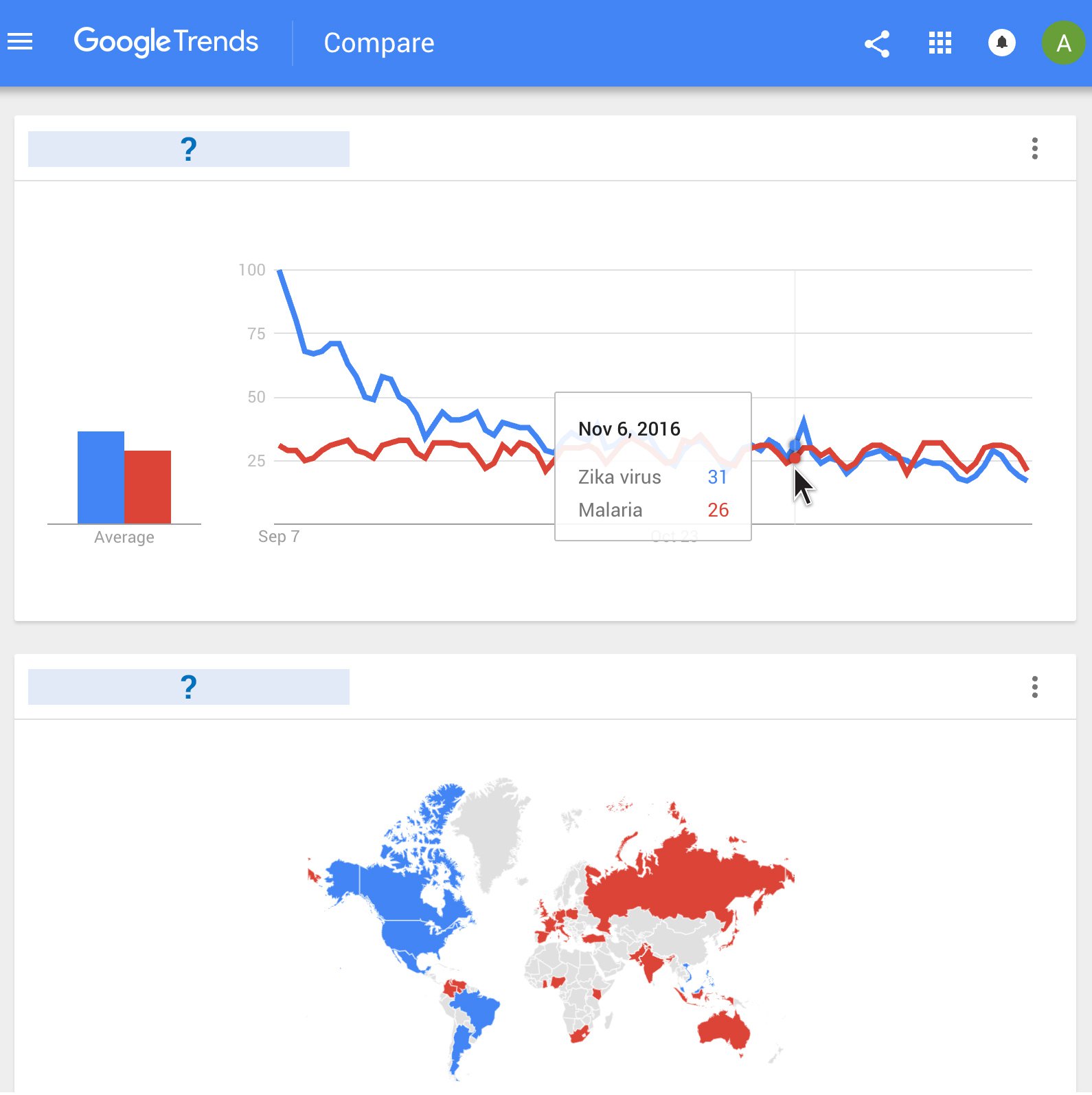
  • Use Google Trends to analyze the search volume and trends for specific products. This tool lets you track the popularity of keywords over time and can help you identify products with increasing demand.

5. Utilize Tools like NicheSpy & SaleHoo

  • Tools like NicheSpy and SaleHoo provide databases of trending dropshipping products. You can use these to filter for top-selling products in your niche and get detailed analytics about market demand.

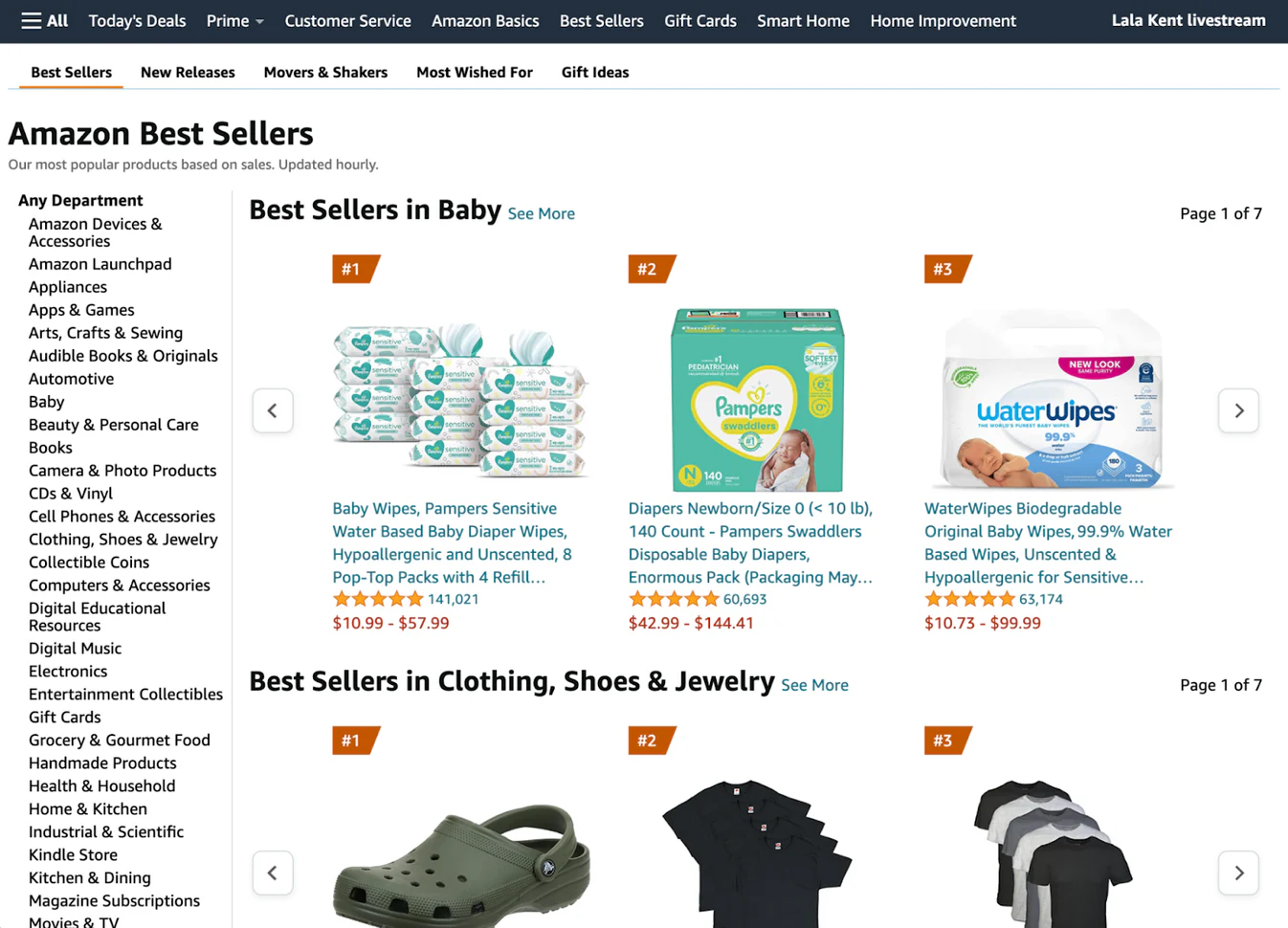
6. Check eBay and Amazon Best Seller Lists
10 Ways to Find Best-Selling Dropshipping Products

  • Browse the Amazon Best Sellerand eBay Top Rated lists to discover products that are currently in high demand. These lists often highlight products that are popular among buyers and reflect current market trends.

7. Explore Reddit and Quora Discussions

  • Platforms like Redditand Quora offer valuable insights into what products people are talking about. Check out trending discussions and customer recommendations to spot in-demand products.

8. Look at Customer Feedback and Reviews

  • Analyze product reviews and ratings on e-commerce websites like Amazon or AliExpress. Focus on products with high ratings and lots of positive feedback, as these are often the most well-received by consumers.

9. Monitor Your Competitors’ Ads

  • Use Facebook Ads & Google Ads Library to check out the ads that your competitors are running. If certain products are being heavily promoted, it could indicate a high level of interest and demand in the market.

10. Join Drop shipping Communities and Forums

  • Participate in dropshipping forums and Facebook groups to connect with other sellers and industry experts. These communities often share tips, insights, and product recommendations that can help you identify the next big trend.
Finding best selling products is crucial for the success of your dropshipping business, especially when you need to quickly capitalize on trends. Here are 10 effective methods to help you discover potential top-sellers: 1. Research Your Competitors Check out competitors’ websites, social media profiles, and product pages on platforms like Amazon or eBay. Tools like SimilarWeb and SpyFu can help you understand where your competitors’ traffic comes from and what products are performing well. 2. Leverage AliExpress AliExpress is one of the most popular dropshipping platforms, and it features a “Hot Products” section that showcases trending products. Pay attention to order volume, reviews, and ratings to gauge the popularity of products. 3. Monitor Social Media Trends Keep an eye on Instagram, TikTok, and Facebook to see what products users are talking about or tagging in posts. Viral content, especially on TikTok’s "TikTok Made Me Buy It" section, can highlight trending products that might be worth selling. 4. Google Trends Analysis Use Google Trends to analyze the search volume and trends for specific products. This tool lets you track the popularity of keywords over time and can help you identify products with increasing demand. 5. Utilize Tools like NicheSpy & SaleHoo Tools like NicheSpy and SaleHoo provide databases of trending dropshipping products. You can use these to filter for top-selling products in your niche and get detailed analytics about market demand. 6. Check eBay and Amazon Best Seller Lists Browse the Amazon Best Seller and eBay Top Rated lists to discover products that are currently in high demand. These lists often highlight products that are popular among buyers and reflect current market trends. 7. Explore Reddit and Quora Discussions Platforms like Reddit and Quora offer valuable insights into what products people are talking about. Check out trending discussions and customer recommendations to spot in-demand products. 8. Look at Customer Feedback and Reviews Analyze product reviews and ratings on e-commerce websites like Amazon or AliExpress. Focus on products with high ratings and lots of positive feedback, as these are often the most well-received by consumers. 9. Monitor Your Competitors' Ads Use Facebook Ads & Google Ads Library to check out the ads that your competitors are running. If certain products are being heavily promoted, it could indicate a high level of interest and demand in the market. 10. Join Drop shipping Communities and Forums Participate in dropshipping forums and Facebook groups to connect with other sellers and industry experts. These communities often share tips, insights, and product recommendations that can help you identify the next big trend. By combining these methods, you can not only identify the best-selling products but also stay ahead of future market trends. The key is to constantly monitor and adjust your product offerings to meet changing consumer demands. Let me know if you'd like any of these methods explained further or if you need help with a specific strategy!

By combining these methods, you can not only identify the best-selling products but also stay ahead of future market trends. The key is to constantly monitor and adjust your product offerings to meet changing consumer demands.

Let me know if you’d like any of these methods explained further or if you need help with a specific strategy!

DropSure is Your Best Partner
22 Years Experience
Affiliate Rebates
100% Quality Guarantee
Top-Up Rewards
10+ Global Warehouses
Custom Branding Support
Smart inventory System
24/7 Customer Support
Get a Quote in 24 Hours
Start Sourcing for Free

Keep Learning

With the rapid growth of e-commerce, dropshipping has become a popular choice for many entrepreneurs and small businesses. This business model allows sellers to fulfill customer orders directly through suppliers without holding inventory, thereby reducing capital and warehousing costs. In recent years, Hong Kong has increasingly attracted global dropshipping sellers due to its unique geographical location and convenient business environment. According to data from the Hong Kong Census and Statistics Department, Hong Kong’s total import and export volume reached HKD 5.5 trillion in 2023, with trade infrastructure ranking among the best globally. Additionally, data from the Global Shipping Association shows that Hong Kong’s port ranks in the world’s top ten in terms of cargo throughput, ensuring efficient logistics and global distribution for dropshipping businesses. So, is Hong Kong really the right place to start a dropshipping business? Let’s explore the pros and cons to help you make a better decision. Unique Advantages of Dropshipping in Hong Kong Strategic Location and Market Advantages Hong Kong is strategically located in the heart of Asia, bordering mainland China, making it not only a hub for convenient supply chain connections but also a global center for freight and logistics. This is crucial for Dropshipping sellers as it translates to faster shipping times and lower shipping costs. Hong Kong is close to major Chinese ports such as Shenzhen and Guangzhou, offering a range of flexible transportation options, including air, sea, and land transport. This logistical advantage enables Dropshipping sellers to deliver products to customers in different countries in a shorter amount of time, making Hong Kong an attractive choice for those looking to expand into the Asian market. Developed Logistics Network Hong Kong’s logistics network […]

  The dropshipping business model has exploded in popularity over the last decade — promising low startup costs, minimal inventory risk, and the flexibility to run an online store from anywhere in the world. But while it’s easier than ever to start, making consistent profit remains the real challenge. Many beginners underestimate the true costs involved, misprice their products, or fail to account for hidden expenses that quietly eat away at margins. This in-depth guide will break down how dropshipping profits actually work, explain how to calculate your real costs, and show you exactly how to price your products to achieve sustainable, predictable profits. 1. The Reality of Dropshipping Profit Margins Let’s start with some truth:Dropshipping is not a get-rich-quick scheme. Yes, it eliminates the need to stock inventory or handle shipping, but it also comes with thin margins — especially in competitive niches. The typical profit margin for dropshippers ranges between 10% and 30%, depending on the niche, product quality, and marketing strategy. Here’s a quick look at the average profit structure: Category Typical Profit Margin Competition Level Tech Accessories 10–20% Very High Fitness Products 20–35% Medium–High Home & Decor 25–40% Moderate Beauty & Skincare 30–50% Medium Pet Supplies 25–45% Medium Niche/Custom Products 40–60% Low–Moderate These numbers vary widely, but one truth stands out:Without a solid pricing and profit analysis, even a successful product can turn into a financial loss. 2. Understanding the Dropshipping Cost Structure Before setting prices, you must understand every cost that impacts your final profit. Let’s break them down. 2.1 Product Cost This is what you pay your supplier (on AliExpress, Alibaba, CJ Dropshipping, etc.) for each item. For example: Product cost: $15 per unit […]

In the world of dropshipping, traffic is everything. Your store can have beautiful product pages, well-priced items, and excellent fulfillment, but without consistent, targeted traffic, nothing moves. For many dropshippers, Facebook Ads remain the most reliable, scalable, and controllable channel to acquire new customers—if you know how to use them the right way. But here’s the challenge: Facebook Ads cost more than they used to. Competition is harsher. Ad fatigue is real. CPMs are rising every year. Most beginners burn money without understanding the algorithm. The good news?If you follow the right structure—data-driven testing, audience segmentation, optimized creatives, and a scalable campaign structure—you can double your dropshipping store orders, sometimes within 30–60 days. This comprehensive guide will teach you exactly how. 1. Why Facebook Ads Still Work for Dropshipping in 2025 Despite TikTok, Snapchat, YouTube Shorts, and influencer marketing all gaining momentum, Facebook Ads remain the most powerful system for dropshipping—especially for stores selling in the U.S. and Europe. Here’s why: 1. Massive user base with purchase intent Facebook and Instagram combined give access to billions of daily users. More importantly, Meta’s algorithm is specifically designed to predict what people will buy. 2. Unmatched targeting power Facebook still offers the most advanced ad delivery system ever created: Interest targeting Behavior targeting Lookalike audiences Custom audiences AI-powered Advantage+ audiences Every serious dropshipper still relies on Meta Ads for scaling. 3. Visual formats perfect for impulse purchases Dropshipping thrives on: eye-catching videos, UGC-style ads, scroll-stopping creative hooks. Facebook and Instagram are built for this. 4. Best scaling capabilities When you find a winning product + creative, Facebook can scale it to $1,000/day, $5,000/day, or $10,000/day, something that most platforms cannot do as […]