Dropshipping is widely considered the Holy Grail of low-cost startups — no inventory, no warehouse, no big upfront investment. But here’s the deal: startup costs are low, but hidden costs such as shipping, advertising and returns can enter and have an impact on your profits.
In this guide, we’ll have a closer look at the real dropshipping costs as well as questions such as “How much does it cost to set up a dropshipping business? and “Do you need money to start dropshipping?, and provide tips for controlling those costs. Let’s get started!
What is Dropshipping?
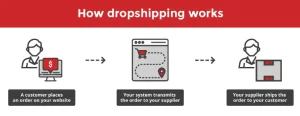
You don’t have to stock shelves, pack boxes or set foot in a warehouse. And this is exactly what dropshipping means. This is a business model where you just introduce your customers to suppliers. Here’s how it works: when a customer makes an order from your online store, you purchase the item from a supplier, and the supplier ships it to the customer directly. You never touch the product — it’s easy, right?
 Source:Red Stag Fulfillment
This is a home run for some large reasons.
First, low startup costs. There is no upfront purchase of inventory, so no risk of stock left over that you did not manage to sell, gathering dust in the garage.
Second, flexibility. Dropshipping is a model that allows you to run your store from anywhere in the world, be it your kitchen table or a beach in Bali.
And finally, scalability. You don’t need to rent larger warehouses or expand your workforce as your company grows.
Creating an online store to dropship products can be a relatively low-risk concept, but here’s where the catch comes in — dropshipping isn’t all rainbows and unicorns. Things like shipping fees, marketing costs, or the odd return can add up. The first step to building a successful dropshipping business is understanding these challenges.
Hidden Dropshipping Fees You Need to Know
Though dropshipping may appear to be some sort of budget business dream, there are costs that can creep up on you and blow your budget. So here are some of the more common expenses that new dropshippers tend to forget about.
Shipping and Handling Fees
Shipping and handling may not seem like your problem at first — you’re not the one packing or mailing the products. But sneaky fees like this one are one of the most significant hidden costs in dropshipping. So when you work with a supplier, they will bill you for shipping each product directly to your customers. Convenient, yes — but the bill isn’t always predictable or cheap.
 Source: Leeline
Here’s where it gets dicey: a lot of online shops use free shipping as a marketing tool. Shoppers like to see that “FREE SHIPPING” banner, and it will often be the difference between purchasing from you or a competitor. But giving free shipping doesn’t mean it’s free for you—it just means you’re paying the price out of your margins.
Now, on to international shipping. Shipping costs can vary greatly if your customers are in different countries. Products shipped across continents carry higher fees, longer delivery times, and sometimes even import taxes. Your supplier may not factor in these costs initially, only for you to absorb any surprise costs or angry customers.
How to Minimize Shipping and Handling Fees
To start, opting for local suppliers is an excellent way to improve your supply chain management. If you can find suppliers located as close as possible to your customers, it can greatly reduce international shipping costs and cut down delivery times. This can improve your overall customer experience and help you stay competitive in the market.
Next, you should define a shipping strategy that works for your business. Unless you can afford to offer free shipping on every order, it’s a good idea to limit free shipping to domestic orders or those above a certain order size. For international orders, charge reasonable shipping fees to help cover the costs. This approach can prevent you from absorbing all the shipping expenses while still offering competitive pricing to your customers.
It’s also important to be upfront about shipping fees and potential delays, especially for international orders. By clearly communicating these details to customers before they complete their purchase, you minimize the risk of complaints or negative reviews. Transparency helps build trust and reduces the chances of issues later on.
Finally, testing shipping options is crucial for finding the best solution for your business. Platforms like DropSure allow you to access shipping data from various suppliers, giving you the flexibility to choose the supplier with the best delivery timelines and costs for your specific needs. This ensures you can select the most reliable and cost-effective shipping option for your customers.
The good news is, by ensuring that you know the actual cost associated with shipping and incorporating it into your pricing strategy, you can avoid those surprises and ensure your dropshipping business stays profitable.
Marketing and Advertising Costs
Driving traffic to your store is one of the most critical—and costliest—components of the dropshipping business. Unlike in traditional retail, where customers may come upon your store by chance when walking by, online your store needs a stream of traffic that doesn’t come free.
Paid Advertising
If you are going to be running ads on Facebook, Google, or Instagram to promote your products, expect to spend money. These platforms operate on a pay-per-click, or pay-per-impression basis, meaning you’re paying every time you get someone to click your ad, or someone sees it. While that may bring rapid traffic, it rapidly becomes costly, especially in highly competitive niches, where ad prices balloon.
Same as (paid) ads—they require constant tweaking. If your targeting is wrong, or your ad copy doesn’t resonate with your audience, you can burn through your budget without making sales. Moreover, testing varied ad content, targets and platforms consumes money and time.
Organic Marketing
 Source: Marc Baumann
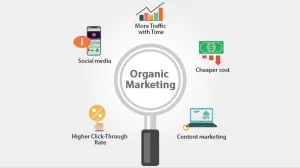
If paid ads don’t suit you, you could try some organic methods like SEO (search engine optimization), content marketing or social media posting. Though these don’t have a direct cost, they can be time-consuming — or the cost to hire freelancers or tools to do it for you. For example:
SEO: Getting ranked on Google means doing keyword research, writing blog posts, and optimizing your site, all of which can take months to pay off.
Social Media: Posting engaging posts, reels or stories for social media like Instagram or TikTok to gain a following, it needs to be done consistently, meaning work.
Email Marketing: Tools like Klaviyo or Mailchimp are essential to develop your leads, but their costs increase as your email list grows.
How to Minimize Marketing Costs
1.Start Small: Instead of diving into paid ads, experiment with organic strategies like posting on TikTok, Instagram, or Pinterest, where virality can happen without spending a dime.
2.Learn the Basics: Teach yourself the essentials of Facebook Ads or Google Ads to save on hiring an expert early on. There are plenty of free or low-cost courses available.
3.Leverage Free Traffic: Use platforms like YouTube, blogs, or forums to provide valuable content related to your niche. This builds trust and drives traffic without direct costs.
4.Combine Strategies: Use a mix of paid and organic marketing. For example, start with organic efforts to grow a small audience, then use targeted ads to convert them into customers.
5.Track ROI: Always track the return on investment (ROI) of your ads. If a campaign isn’t converting, pause it, analyze the data, and adjust. Don’t keep spending on what doesn’t work.
Marketing is an unavoidable expense in dropshipping, but with smart strategies and careful spending, you can maximize its effectiveness without breaking the bank.
One of the biggest advantages of dropshipping is that you don’t need to hold inventory, but this benefit comes with its own set of challenges. If your supplier runs out of stock, the responsibility to manage the situation falls squarely on you. Customers won’t care that it’s your supplier’s fault—they’ll see it as your failure to deliver. This can force you into difficult situations, such as scrambling to find an alternative supplier, dealing with longer shipping times, or issuing refunds.
Stockouts and delays don’t just impact your current sales; they can also hurt your reputation. Disappointed customers may leave negative reviews or refuse to shop with you again. Worse, in today’s competitive online marketplace, a bad experience can drive customers straight to your competitors.
 Source:Infizo
To minimize these risks, it’s crucial to partner with reliable suppliers who maintain accurate inventory levels and offer real-time updates. Additionally, diversifying your supplier base can provide a safety net in case one supplier runs out of stock. Clear communication with your customers is also key—letting them know about potential delays upfront can prevent frustration and build trust in your brand. While you may not control inventory directly, how you handle these issues can make or break your dropshipping business.
Tools and Software
Building a successful dropshipping store is more than just adding products and fulfilling orders, it usually requires a collection of tools to help streamline operations, analyze data and customer service. Automation tools also help you manage inventory, order processing, and tracking updates, saving you countless hours of manual labor. Analytics tools help track performance metrics, recognize trends, and optimize your marketing efforts. Your customer service software helps ensure you have the bandwidth to deal with any inquiries, and improve on the experience your customers have with you.
Though, having these tools is absolutely critical for scaling your business and looking professional, it also comes at a cost. E-commerce platforms, automation software, analytics tools, and customer relationship management (CRM) systems charge monthly subscription fees that can add up over time, especially if you have a growing store that requires more and more advanced features. While these types of purchases are typically small and may not seem costly individually, they can collectively take a considerable bite out of your profits.
To manage these effectively, it’s important to determine what tools are needed for your stage of business. Use free or affordable product for getting started, then elevate to premium solutions as your business expands. These types of platforms, such as DropSure, will combine many different features into one subscription, which is a much more cost-effective way of managing your store. Selecting appropriate tools and monitoring your costs will see that you balance the scales between efficiency and profit.
Transaction Fees
Each time a customer makes a purchase, payment processors (PayPal, Stripe, credit card companies, etc.) take a small percentage as their fee. These charges typically fly under the radar in the early going, but they can add up in total to a considerable sum over time, particularly as your sales volume scales up. As an example, the standard transaction fee may be 2.9% + $0.30 per transaction. That doesn’t sound like all that much, but when you’re talking dozens or hundreds of sales a month, it can put a significant dent in your profits.
Transaction fees can be especially crippling if you’re making thin margins as it is. If you’re already running a promotional sale or providing free shipping, the combination of lower prices and these fees can find you making little, if any, profit. And if you’re working with international customers, don’t forget about currency conversion fees — those can add on more costs.
Everyone knows to keep fees at the forefront of transaction processing, and to try to negotiate rates with your payment processor as sales scale up. Some platforms provide volume-based discounts to merchants with high sales volume. Also, look into other methods / processors of payment without diminishing the ease of payment for your customer but keep an eye on fees. By effectively managing these seemingly insignificant expenses you will be able to leave with more money from your hard earned revenue.
Chargebacks and Fraud
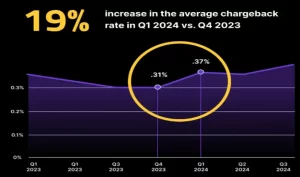
Chargebacks and fraud, some of the most annoying hidden costs, are one of the aspects of your dropshipping business that you will never avoid. In the case of the customer disputing a charge with their bank, saying they didn’t authorize the transaction or that the product was never received, the payment processor usually defaults to the buyer unless you can supply convincing evidence. It can process the chargeback, and in the end the business loses the payment, the product and chargeback fees — which can often be from $15 to $25 per case.
 Source:Sift
Fraudulent orders, such as ones made with stolen credit cards, can also be very harmful. In cases like these, you’ll not only be out of pocket but can also potentially harm your store’s reputation in the eyes of customers that feel you’re mishandling details. In fact, high chargeback rates not only result in loss of revenue, but they can also give rise to penalties from payment processors or suspension of accounts — which can ultimately jeopardize your entire business.
To do this, it’s important to have fraud prevention measures in place. Implement secure payment gateways with integrated fraud detection tools, manually review suspicious orders, and introduce identity verification steps for high-value purchases. Effective communication with customers and timely resolution of disputes are also effective means of reducing the incidence of chargebacks. In spite of chargebacks and fraud, you can’t always step aside, but taking preventive measures can save your revenue and your business’s reputation.
How to Become a Dropshipper and Maximize Income
Starting to be a dropshipper means more than just creating a shop and waiting for sales. There are a whole lot of effort, strategy, and effort that are required to make it into a money-making business. Here’s how to get started and maximize your income.
Find a niche Back to square one: the first step is research. This is why you need to find a market that has some demand but also a manageable number of dueling products. Search for products that provide reasonable profit margins—low enough that you can markup without scaring off buyers but that also allows enough space to profit well.
Then, you must locate dependable suppliers. As your supplier’s performance can affect your own business directly, it is essential to collaborate with those who can provide you with great service, fair shipping prices, and quality products to keep up with the demands. Platforms such as DropSure can make this process easier, giving you access to vetted suppliers, as well as the tools to help you manage your inventory and orders effectively.
After you lock down your suppliers, it’s time to build your store. Creating a professional, user-friendly online store is a breeze using platforms like Shopify or WooCommerce. Do not compromise on design — the way a store looks determines if a visitor converts to customer. A clear, intuitive layout can make a world of difference.
Now, let’s talk numbers. It’s about finding a competitive price point, and a basic dropshipping pricing formula to follow is:
Selling Price = (Product Cost + Shipping Fee) × Markup %
If your product has a cost of $10 and a $3 shipping cost, you will price it with a 50% markup, BS (your selling price) will be $19,50. This allows you to cover your costs while leaving the price appealing to customers.
This is the last and final point where you need to promote your store. Marketing, though, is the lifeblood of traffic and sales. Implementing targeted advertisements on Facebook or Google, creating informative content on social media, and employing email marketing to retain customers is what you should definitely do. Utilizing a mix of these approaches can help you engage with your audience and develop a loyal customer base.
Results can also vary widely when it comes to income. Although experienced dropshippers may earn six-figure profits, most beginners achieve more modest success, usually between $200 to $1,000 per month in profit. Will you succeed at it depends on your niche and marketing and optimizing operations later on. It can turn into a great business with patience, perseverance and good tactics when you dropship.
Automation: Your Secret Weapon
To save time and reduce costs, automation is your secret weapon in dropshipping. The more you automate, the more you can focus on growing your business instead of getting bogged down with day-to-day tasks. Here’s how automation tools can help streamline your operations:
Order Fulfillment
With platforms like DropSure, you can automate your order processing, ensuring faster and more efficient fulfillment. DropSure connects you to reliable suppliers and handles much of the logistics, so you don’t have to manually track or process each order.
Inventory Management
Tools like AutoDS help you manage your inventory seamlessly, ensuring you never oversell or face stockouts. By automatically syncing inventory levels with your suppliers, you can avoid the headaches that come with manual tracking.
Marketing
Automate your marketing efforts using tools like Klaviyo for email campaigns or Facebook Ads Manager to optimize your ad performance. These apps not only help you create targeted campaigns but also ensure you get the best return on investment by automating testing and audience segmentation.
Automation isn’t just about reducing human error; it’s about freeing up your time so you can focus on the big picture—growing your business. With the right tools in place, you can scale up faster and more efficiently.
Conclusion: Plan for Hidden Costs and Succeed
While dropshipping has its perks, it’s important to remember that it’s not a get-rich-quick scheme. The business model has real potential, but you need to be prepared for the hidden costs that can sneak up on you. Understanding these expenses and proactively addressing them with the right tools will put you on the path to success.
By utilizing platforms like DropSure to automate tasks, find reliable suppliers, and manage inventory, you can eliminate much of the stress and uncertainty that comes with running a dropshipping business. Optimizing your processes, investing in the right tools, and continually learning are the keys to building a sustainable and profitable business.
Remember, the effort you put in now will shape your success down the road. So, start smart, stay focused, and happy dropshipping!



 19 min read