









 9 min read
In today’s digital economy, starting an online business has become more accessible than ever before. Entrepreneurs no longer need to invest thousands of dollars in inventory, rent warehouse space, or manage complicated logistics operations to launch an eCommerce store. Thanks to the rise of dropshipping, individuals can build and grow online businesses with significantly lower upfront costs.
Over the last decade, dropshipping has become one of the most popular eCommerce business models worldwide. From first-time entrepreneurs to experienced online sellers, many business owners have used dropshipping to test products, enter new markets, and scale their operations.
But what exactly is dropshipping? How does it work? And why are so many online retailers choosing this fulfillment method?
In this comprehensive guide, we’ll explore everything you need to know about dropshipping, including how it works, its advantages, potential challenges, and why it remains one of the most attractive business opportunities in modern eCommerce.
What Is Dropshipping?
Dropshipping is an order fulfillment method in which an online store sells products without keeping inventory in stock.
Instead of purchasing large quantities of products and storing them in a warehouse, the retailer works with a supplier or manufacturer who handles inventory management and shipping.
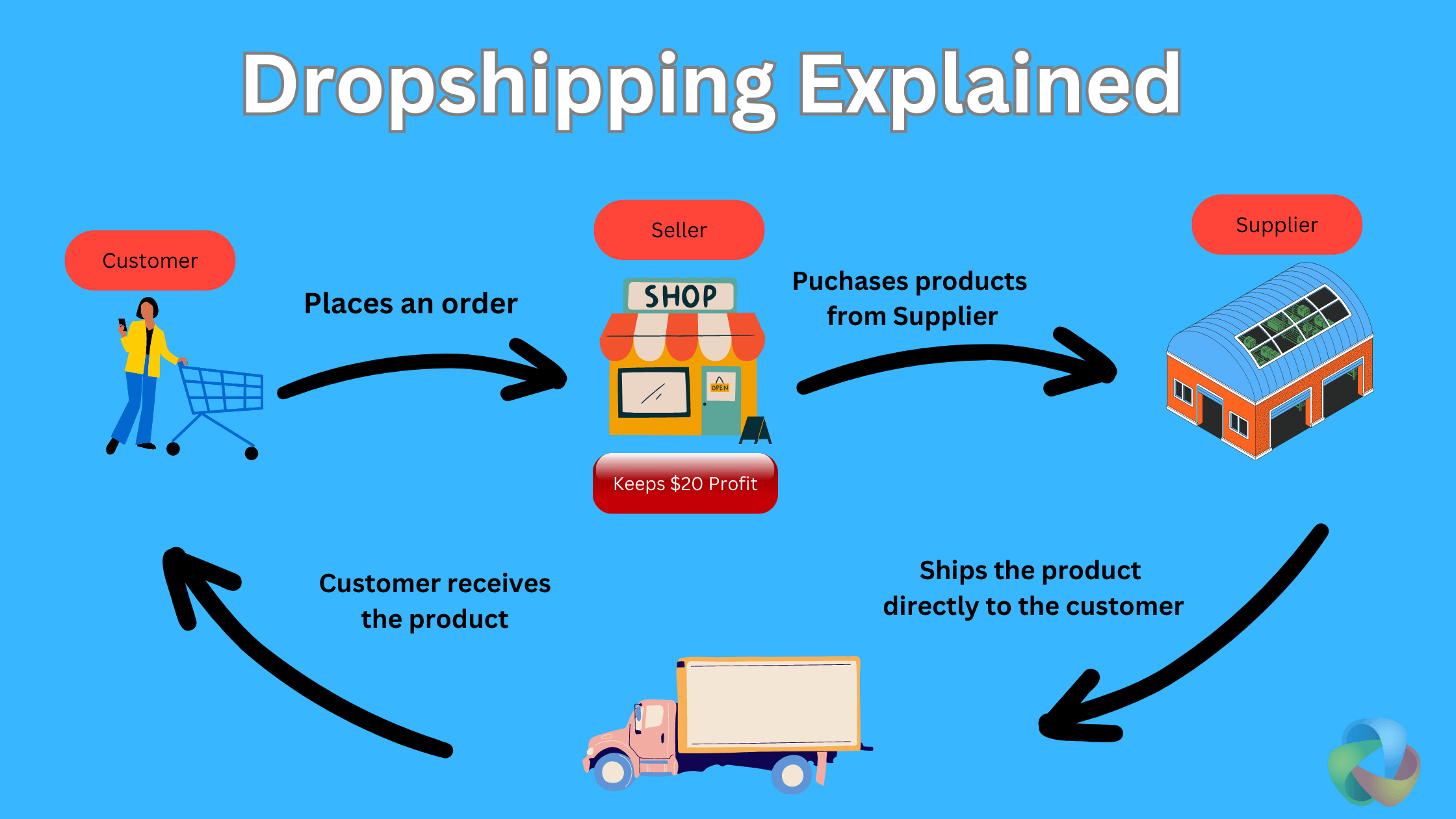
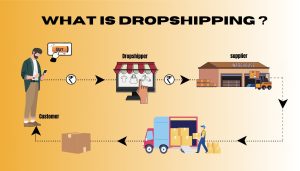
When a customer places an order through the online store, the seller forwards the order details to the supplier. The supplier then picks, packs, and ships the product directly to the customer.
The retailer never physically handles the product.
In simple terms:
Customer places an order → Store receives payment → Supplier fulfills the order → Customer receives the product.
This process allows entrepreneurs to focus on marketing, customer service, and business growth rather than inventory management and logistics.
How Does Dropshipping Work?
To understand the benefits of dropshipping, it’s important to understand the workflow.
Step 1: Create an Online Store
The seller launches an online store using an eCommerce platform.
The store showcases products, descriptions, pricing, and promotional content designed to attract customers.
Step 2: Partner with Suppliers
The seller works with suppliers that offer dropshipping services.
These suppliers maintain inventory and handle fulfillment operations.
Step 3: Customer Places an Order
A customer visits the online store and purchases a product.
The retailer receives payment from the customer.
Step 4: Forward the Order
The retailer automatically or manually sends the order details to the supplier.
Step 5: Supplier Ships the Product
The supplier packages and ships the item directly to the customer.
Step 6: Customer Receives the Order
The customer receives the product while interacting primarily with the retailer’s brand.
The process is seamless from the customer’s perspective.
Why Has Dropshipping Become So Popular?
Several factors have contributed to the rapid growth of dropshipping.
Low Barrier to Entry
Traditional retail often requires significant upfront investment.
Business owners typically need to:
- Purchase inventory
- Rent storage space
- Manage logistics
- Handle shipping operations
Dropshipping eliminates many of these costs.
Growth of Online Shopping
Consumers increasingly prefer online purchasing.
As eCommerce continues to expand globally, entrepreneurs can reach customers across multiple countries without opening physical stores.
Improved Technology
Modern eCommerce platforms make it easier than ever to connect online stores with suppliers and automate order processing.
This efficiency allows small businesses to compete with larger retailers.
The Biggest Advantages of Dropshipping
1. Low Startup Costs
One of the most attractive aspects of dropshipping is the low initial investment.
Unlike traditional retail models, sellers do not need to purchase inventory before making sales.
This reduces financial risk significantly.
Instead of spending thousands of dollars on stock, entrepreneurs can allocate resources toward:
- Website development
- Advertising
- Branding
- Customer acquisition
This makes dropshipping particularly appealing for beginners.
2. No Inventory Management
Inventory management can be time-consuming and expensive.
Traditional retailers must:
- Track stock levels
- Forecast demand
- Prevent overstocking
- Avoid stock shortages
With dropshipping, suppliers handle these responsibilities.
The retailer can focus on growing the business rather than managing warehouse operations.
3. Location Independence
Because inventory is not stored by the retailer, dropshipping businesses can be operated from almost anywhere.
Many entrepreneurs manage their stores remotely while traveling or working from home.
As long as there is internet access, business operations can continue.
This flexibility has made dropshipping especially attractive to digital entrepreneurs.
4. Wide Product Selection
Traditional retailers often face inventory limitations.
Dropshipping allows businesses to offer a broad range of products without purchasing stock in advance.
Sellers can test multiple categories, including:
- Home decor
- Outdoor gear
- Pet supplies
- Kitchen products
- Fashion accessories
- Electronics accessories
- Beauty products
This flexibility enables rapid adaptation to changing consumer trends.
5. Easier Business Scaling
Scaling a traditional retail business often requires:
- Additional warehouse space
- More inventory
- More employees
- Increased operational costs
Dropshipping suppliers handle fulfillment, making it easier to process growing order volumes.
As sales increase, retailers can focus on marketing and customer service rather than logistics.
6. Reduced Financial Risk
Inventory represents one of the largest risks in retail.
Unsold products can tie up capital and create losses.
Because dropshipping sellers purchase products only after receiving customer orders, inventory risk is significantly reduced.
This allows entrepreneurs to experiment with new products more confidently.
7. Faster Product Testing
Consumer trends change rapidly.
A product that is popular today may lose demand tomorrow.
Dropshipping allows businesses to test products without committing to large inventory purchases.
This flexibility helps identify winning products quickly.
8. Access to Global Markets
Many dropshipping suppliers offer international shipping.
This enables businesses to reach customers in multiple countries without establishing local warehouses.
Global market access creates opportunities for growth that would otherwise require substantial investment.
Common Dropshipping Product Categories
Certain product categories perform particularly well in the dropshipping industry.
Popular categories include:
Home and Living Products
Consumers consistently purchase products that improve comfort and organization at home.
Examples include:
- Storage solutions
- Decorative items
- Kitchen accessories
Outdoor and Camping Gear
Outdoor enthusiasts frequently seek innovative equipment and accessories.
Popular items include:
- Portable lights
- Camping tools
- Travel organizers
Pet Products
Pet owners often purchase:
- Toys
- Feeding accessories
- Grooming tools
The pet industry continues to experience strong growth.
Beauty and Personal Care
Many beauty products attract repeat purchases, creating opportunities for long-term customer relationships.
Fitness Equipment
Health-conscious consumers frequently purchase fitness accessories and workout tools.
Challenges of Dropshipping
While dropshipping offers many advantages, it’s important to understand potential challenges.
Competition
The low barrier to entry attracts many sellers.
As a result, competition can be intense in certain niches.
Successful businesses differentiate themselves through:
- Branding
- Customer experience
- Product selection
- Marketing strategy
Profit Margins
Because suppliers handle fulfillment, margins may be lower compared to purchasing inventory in bulk.
Businesses must carefully manage pricing and marketing expenses.
Supplier Reliability
The success of a dropshipping business often depends on supplier performance.
Issues such as:
- Shipping delays
- Inventory shortages
- Product quality problems
can impact customer satisfaction.
Choosing reliable suppliers is critical.
Customer Service Responsibilities
Even though suppliers handle shipping, customers typically contact the retailer when issues arise.
Businesses must provide responsive customer support to maintain trust and loyalty.
How to Choose the Right Dropshipping Supplier
Selecting the right supplier is one of the most important decisions in dropshipping.
Look for suppliers that offer:
Consistent Product Quality
Request product samples whenever possible.
Reliable Shipping
Fast and dependable delivery improves customer satisfaction.
Transparent Communication
Strong communication helps resolve issues quickly.
Inventory Visibility
Real-time inventory updates reduce the risk of selling unavailable products.
Return Policies
Clear return procedures protect both the business and its customers.
Is Dropshipping Suitable for Beginners?
For many entrepreneurs, dropshipping serves as an excellent introduction to eCommerce.
Benefits for beginners include:
- Lower startup costs
- Reduced risk
- Simplified logistics
- Flexible work environment
However, success still requires effort.
Entrepreneurs must invest time in:
- Market research
- Branding
- Customer support
- Advertising
- Store optimization
Dropshipping is not a guaranteed shortcut to success, but it can provide an accessible pathway into online business.
The Future of Dropshipping
The dropshipping industry continues to evolve.
Emerging trends include:
Faster Shipping Expectations
Consumers increasingly expect quick delivery.
Suppliers are improving fulfillment networks to meet these demands.
Stronger Branding
Businesses are focusing on creating unique brand identities rather than simply listing products.
Better Automation
Technology continues to streamline inventory synchronization, order processing, and customer communication.
Expansion Into Niche Markets
Rather than competing in broad categories, many successful stores focus on specific customer segments and specialized products.
Final Thoughts
Dropshipping has transformed the way entrepreneurs enter the world of eCommerce. By eliminating the need for large inventory investments and complex logistics operations, it allows businesses to launch quickly, operate flexibly, and scale efficiently.
The model offers numerous advantages, including lower startup costs, reduced financial risk, easier product testing, broader product selection, and access to global markets. These benefits make dropshipping an attractive option for both new and experienced online sellers.
While challenges such as competition and supplier management exist, careful planning and strong business practices can help overcome these obstacles. Success in dropshipping ultimately comes from understanding customer needs, selecting reliable suppliers, building a trustworthy brand, and delivering an excellent shopping experience.
For entrepreneurs seeking a cost-effective way to start an online business, dropshipping remains one of the most accessible and scalable opportunities available in today’s digital marketplace.